_WH_800x600px.webp)
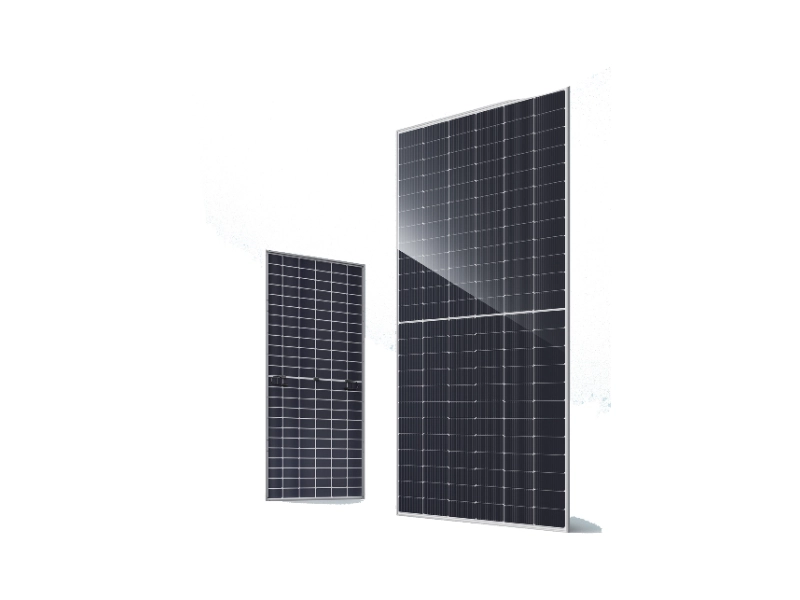


Colored BIPV Facade Panels: Architectural Solar Solutions for Modern Building Integration
Release time: 2026-08-15
Table of Contents
Modern buildings are increasingly expected to combine structural functionality, energy efficiency, sustainability, and architectural identity.
As a result, architects, developers, facade companies, and EPC contractors are looking for solar solutions that can work together with the building design rather than appear as separate technical equipment. This is especially important for projects where facade color, visual consistency, and architectural concepts are key considerations.
Colored BIPV Facade Panels provide an approach that combines photovoltaic power generation with building facade design. Instead of installing conventional solar panels as an additional system, BIPV facade panels can be considered as part of the building envelope, subject to the project’s structural, electrical, and installation requirements.
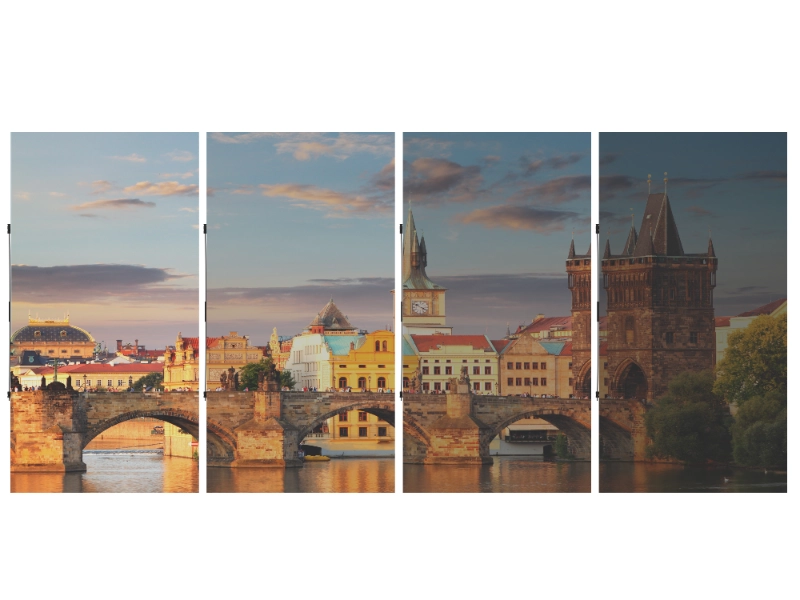
For commercial buildings, public facilities, residential developments, and customized architectural projects, colored BIPV solutions can support the integration of renewable energy with modern building design.
What Are Colored BIPV Facade Panels?
Traditional solar panels are commonly installed on rooftops or mounted onto existing structures with rails, brackets, and other support systems. This approach is practical for many solar projects, but it may not meet the requirements of buildings where facade appearance and architectural consistency are important.
Building-integrated photovoltaics, or BIPV, take a different approach. BIPV modules can be evaluated as part of the building envelope and considered together with roofs, facades, glazing systems, shading structures, and other architectural elements.
BIPV Facade Panels are designed for facade applications where photovoltaic surfaces need to coordinate with the overall building concept, including architectural appearance, structural conditions, and installation requirements.
The project team may need to consider:
- Photovoltaic power generation requirements.
- Facade color and visual design.
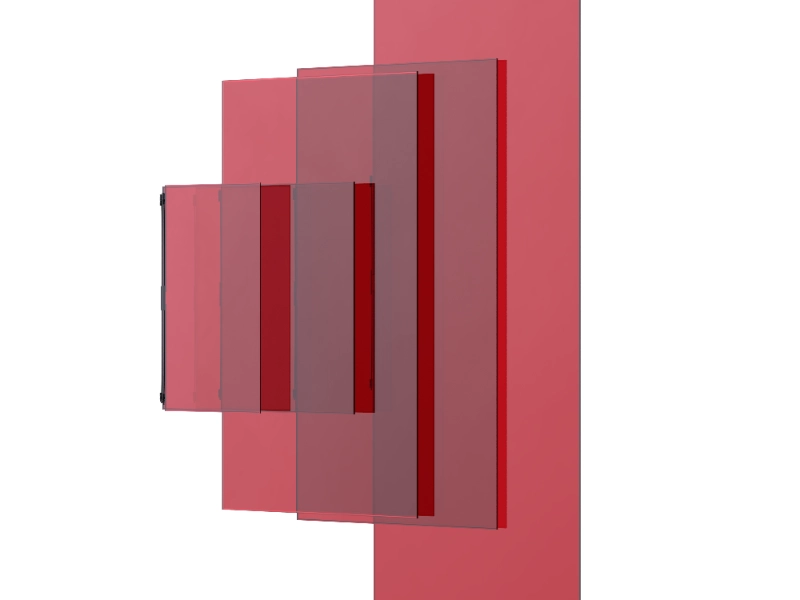
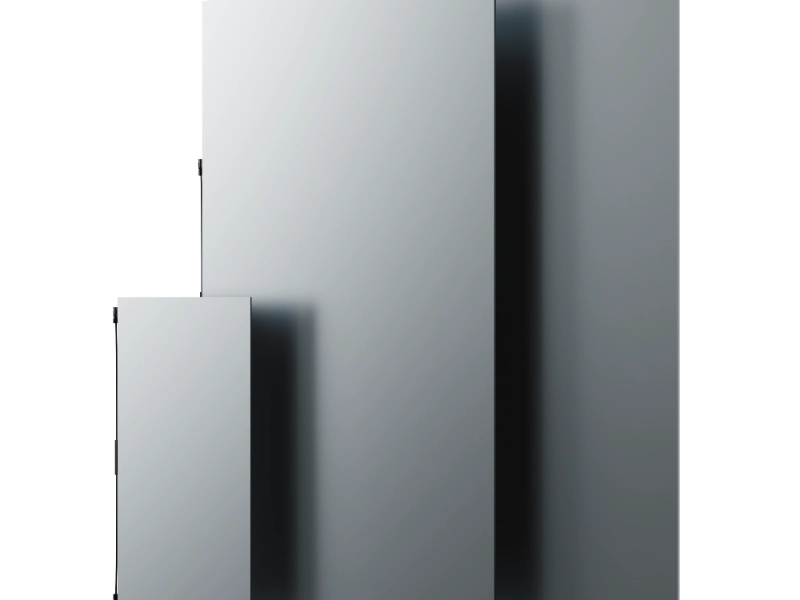
- Module dimensions and layout.
- Supporting structure.
- Installation and fixing methods.
- Cable routing and electrical connections.
- Waterproofing and drainage requirements.
- Maintenance and replacement access.
- Local construction regulations and technical standards.
The goal is not simply to install solar modules on a building. It is to coordinate photovoltaic technology with the architectural, structural, and construction requirements of the facade.
Why Color Matters in BIPV Design
Facade appearance plays an important role in modern architecture. A building may need to match surrounding structures, reflect a corporate identity, support a specific design concept, or maintain a consistent appearance across different facade materials.
Conventional photovoltaic modules are generally available in a limited range of colors and visual finishes. This may restrict the design options available to architects and developers.
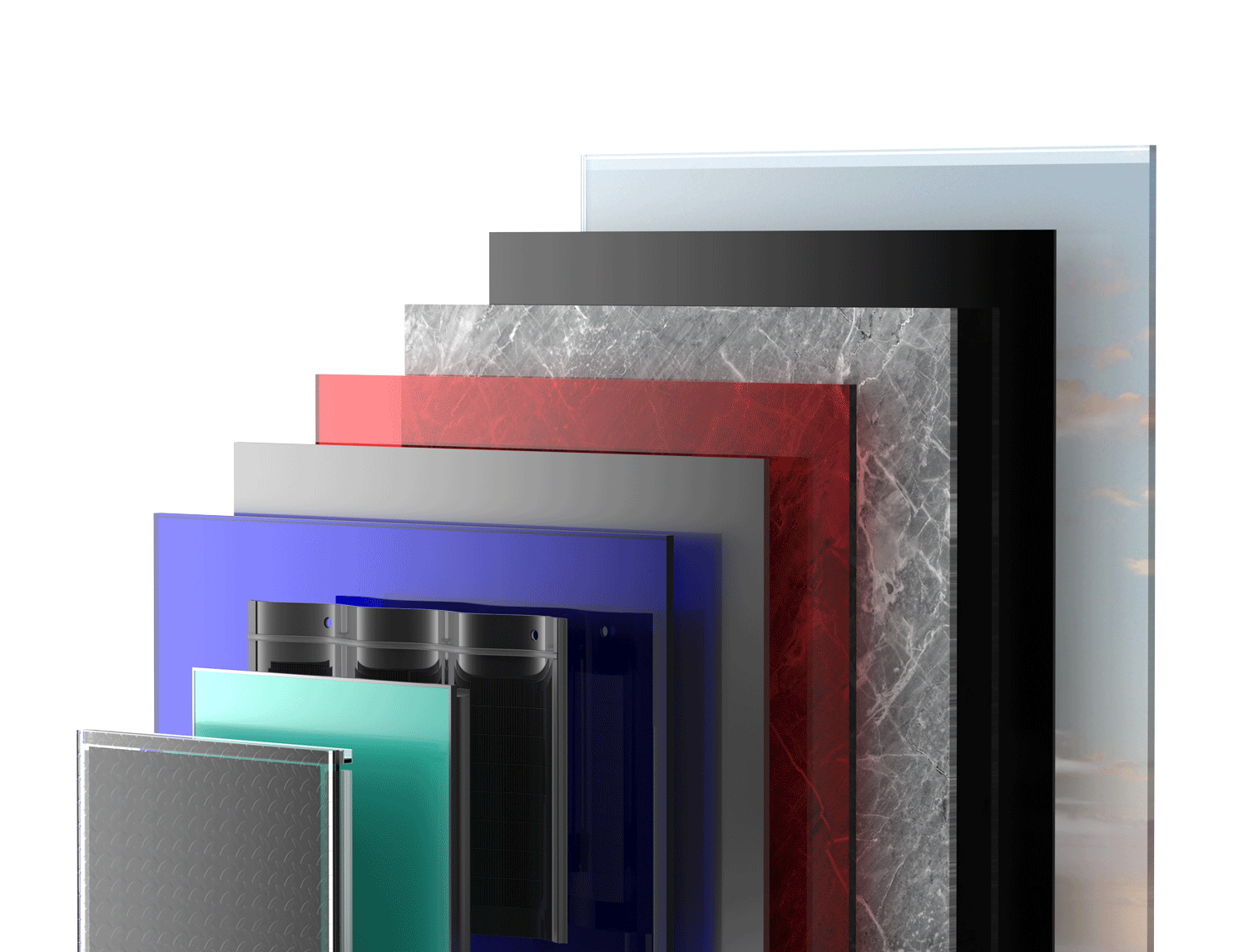
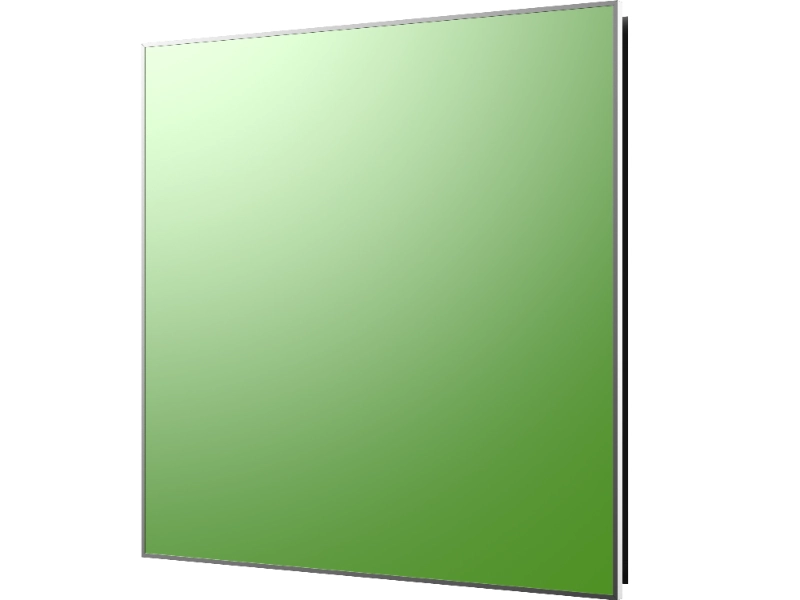
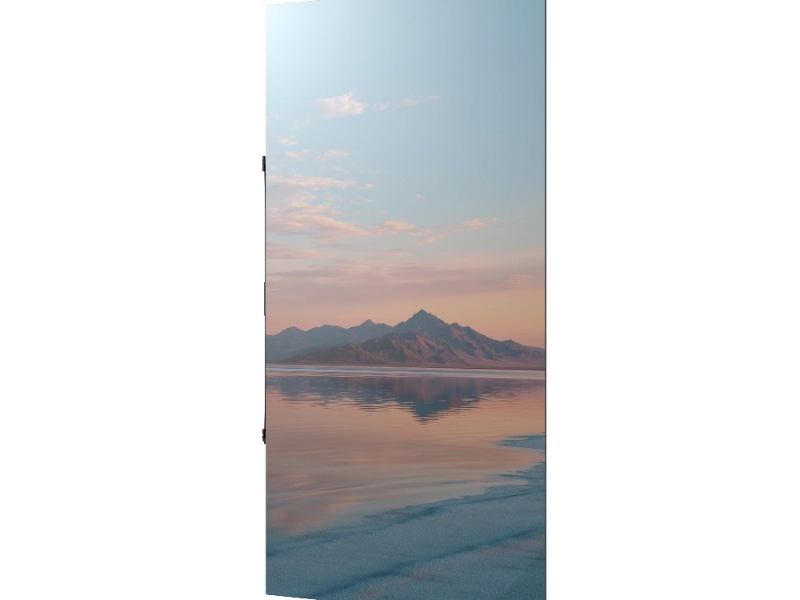
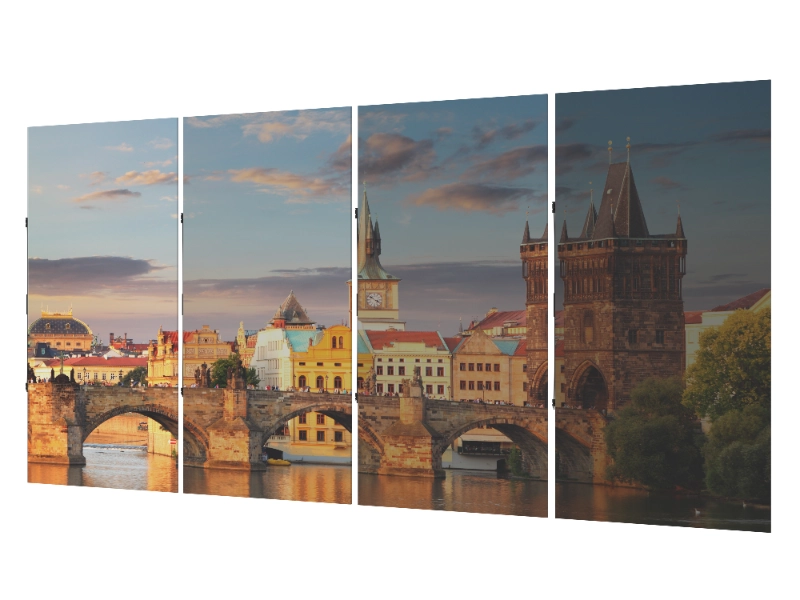
Colored photovoltaic technology provides additional possibilities for architectural coordination. By using colored or visually customized Architectural Solar Panels, photovoltaic modules can be considered as part of the facade concept rather than as separate technical equipment.
Colored BIPV Facade Panels may help project teams:
- Coordinate solar modules with the building’s color scheme.
- Reduce visual contrast between photovoltaic surfaces and other facade materials.
- Create a more unified external appearance.
- Integrate renewable energy into modern building design.
- Develop distinctive facade patterns or visual effects.
- Use selected facade areas for solar power generation.
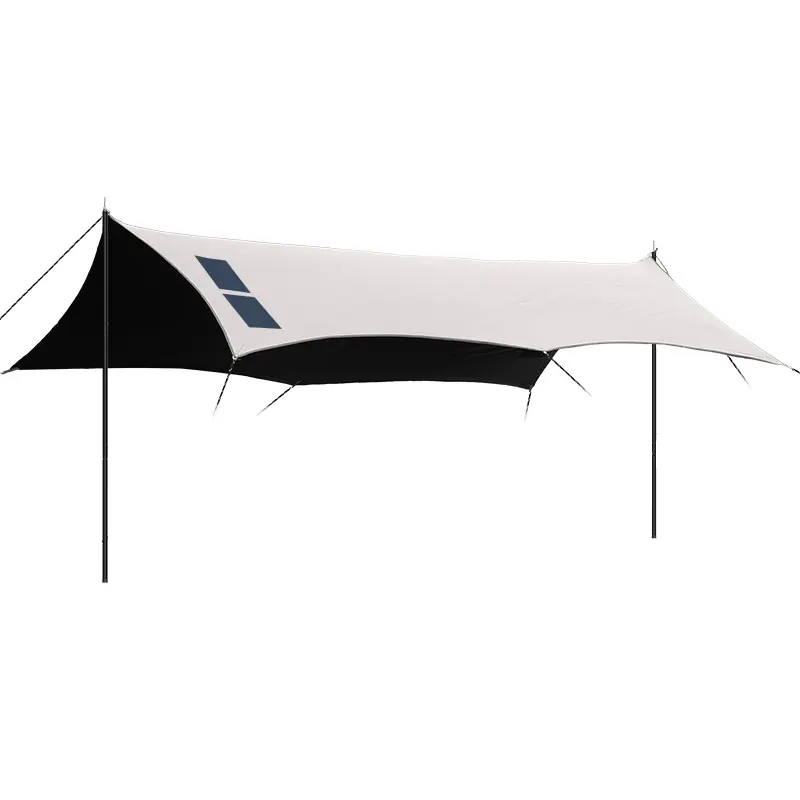
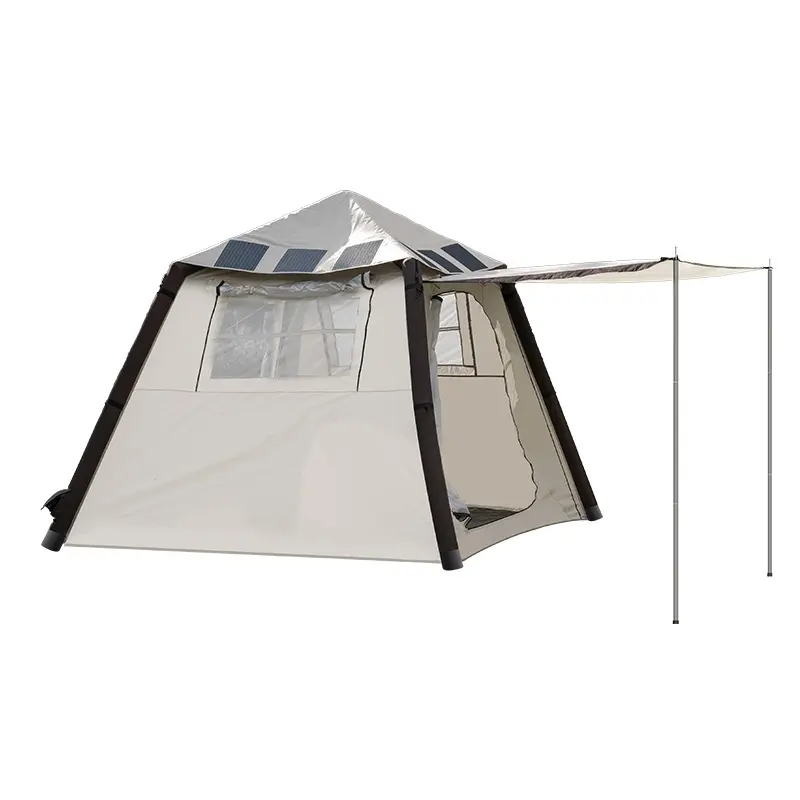
Colored BIPV products can be applied to building facades, roofs, skylights, shading structures, and other architectural surfaces, depending on the product design and project conditions.
However, color selection should not be considered only from an aesthetic perspective. The project team should also evaluate solar exposure, facade orientation, shading, ventilation, electrical performance, structural conditions, and project budget.
The most suitable approach is to balance architectural appearance with photovoltaic performance and construction requirements.
Product Structure and Project Considerations
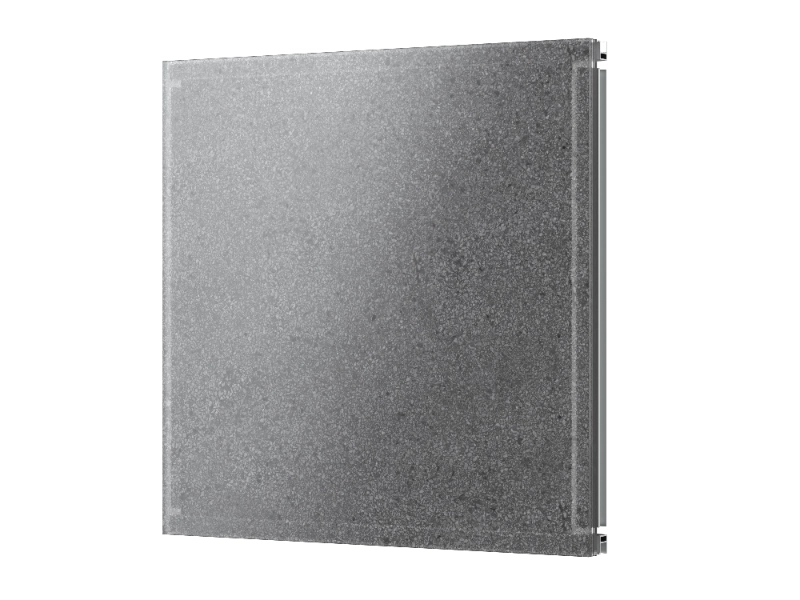
Grunsolar’s Colored BIPV Facade Panels use a glass-based photovoltaic construction designed for architectural applications. The product structure includes 3.2 mm glass, a 0.72 mm PVB layer, and 3.2 mm glass, with a listed product weight of approximately 12 kg.
| Item | Product information |
| Product type | Colored BIPV Facade Panels |
| Structure | Glass-PVB-glass photovoltaic construction |
| Glass configuration | 3.2 mm glass + 0.72 mm PVB + 3.2 mm glass |
| Listed weight | Approximately 12 kg |
| Application | Building facades and architectural solar surfaces |
| Design focus | Color and visual coordination with building design |
| Project approach | Evaluated together with facade structure and installation conditions |
This glass-based format can be considered for facade systems and other architectural solar applications. The final configuration should be determined according to the building design, module layout, installation method, and local technical requirements.
When selecting Colored BIPV Facade Panels, project teams should review the following factors:
| Consideration | Why it matters |
| Module dimensions | Helps coordinate the photovoltaic layout with the facade design |
| Color requirements | Supports the intended architectural appearance |
| Facade orientation | Influences sunlight exposure and potential energy output |
| Shading conditions | May affect module layout and system planning |
| Supporting structure | Helps assess compatibility with installation conditions |
| Cable routing | Supports coordination with the electrical system |
| Ventilation | Should be considered as part of the facade design |
| Waterproofing | Needs to be coordinated with the building envelope |
| Maintenance access | Helps support future inspection and replacement planning |
| Local standards | Determines applicable design, testing, and installation requirements |
A successful BIPV facade project requires cooperation between the architect, photovoltaic supplier, structural engineer, facade contractor, and construction team.
Applications and Grunsolar Project Support
Colored BIPV Facade Panels can be considered for different types of architectural projects where renewable energy generation needs to work together with facade design.
Commercial Buildings
Office buildings, shopping centers, hotels, and commercial developments may evaluate colored BIPV solutions for selected facade areas where energy generation and visual consistency are important.
Public Buildings
Schools, cultural centers, exhibition facilities, and government buildings may use photovoltaic facades to support sustainability goals while maintaining a specific architectural concept.
Residential Developments
Modern residential projects, premium housing developments, villas, and customized buildings may consider colored photovoltaic surfaces when facade appearance and renewable energy generation are both important.
Renovation Projects
For selected existing buildings, colored BIPV solutions may provide an opportunity to introduce renewable energy generation into suitable facade areas. The feasibility of a renovation project will depend on the existing structure, available installation area, load requirements, and connection conditions.
As a BIPV supplier, Grunsolar works with architects, developers, facade companies, EPC contractors, and solar distributors to evaluate project-specific photovoltaic facade applications.
Customers can provide the following information for an initial project review:
| Project information | Purpose |
| Project location | Helps identify environmental and regulatory conditions |
| Building type | Defines the intended application |
| Facade drawings or dimensions | Supports module layout planning |
| Preferred colors or design direction | Helps coordinate the architectural appearance |
| Available installation area | Supports preliminary system evaluation |
| Required quantity | Helps with production planning |
| Expected power output | Helps define the project energy objective |
| Installation schedule | Supports delivery planning |
| Technical requirements | Helps evaluate a suitable module configuration |
This project-oriented approach allows the photovoltaic system, facade design, structural conditions, and construction requirements to be considered together.
Frequently Asked Questions
1. What are Colored BIPV Facade Panels?
Colored BIPV Facade Panels are photovoltaic modules designed for building facade applications, combining solar power generation with architectural integration and color coordination.
2. Do colored BIPV panels affect solar performance?
Color design and application methods may influence photovoltaic performance. Project teams should therefore evaluate appearance requirements together with solar exposure, expected power output, module configuration, and system design.
3. Can Colored BIPV Facade Panels be customized?
Customization options depend on the product configuration and project requirements. Customers can discuss module dimensions, color preferences, layout, and installation conditions with the supplier during the project assessment stage.
4. What buildings are suitable for colored BIPV applications?
Colored BIPV solutions may be considered for commercial buildings, public facilities, residential developments, renovation projects, and other architectural projects where facade integration and renewable energy generation are required.
5. What information should customers provide before starting a project?
Customers should provide project location, building type, facade dimensions, architectural drawings, preferred appearance, expected power output, estimated quantity, and technical requirements.
6. How are colored BIPV facade panels different from traditional solar panels?
Traditional solar panels are usually mounted onto existing structures as additional equipment. Colored BIPV Facade Panels are evaluated as part of the building facade, allowing photovoltaic generation to be coordinated with architectural design and construction requirements.
Transform Building Facades into Energy-Generating Surfaces
Colored BIPV Facade Panels provide a way to combine renewable energy generation with modern architectural design.
Their value is not only in producing electricity. They also allow photovoltaic technology to become part of the building facade, where color, module layout, structural conditions, and installation requirements can be coordinated with the overall project.
For architects, developers, facade contractors, EPC companies, and solar distributors, colored BIPV solutions can support projects where energy performance, facade appearance, and architectural consistency are important considerations.
If you are planning a colored solar facade, architectural photovoltaic project, or customized BIPV application, send Grunsolar your drawings, facade dimensions, preferred appearance, and project requirements.
Our team can help evaluate a suitable Colored BIPV Facade Panels solution based on your building design, facade requirements, installation conditions, and project objectives.