_WH_800x600px.webp)


How Solar Module Degradation Affects Long-Term Energy Yield and ROI
Release time: 2026-08-20
Table of Contents
For a solar project, the rated power shown on a module datasheet is only the starting point.
A photovoltaic module may deliver its rated output when new, but a building-integrated photovoltaic project is expected to operate for many years under sunlight, heat, humidity, temperature changes, and other outdoor conditions. Over time, these factors can influence photovoltaic performance and affect the amount of electricity a project can generate.
Solar Module Degradation is therefore an important consideration when evaluating long-term energy yield and ROI.

For BIPV projects, long-term performance is only part of the decision. The photovoltaic module may also become part of the building facade, so power generation needs to work alongside appearance, transparency, dimensions, and architectural design.
Grunsolar Custom BIPV Facade Panels offer an option for projects that require both photovoltaic performance and facade design flexibility. Rather than functioning only as energy-generation components, the product combines photovoltaic generation with facade-oriented design, customizable appearance, and different transparency and power configurations.
Why Long-Term Performance Matters for BIPV
Solar module degradation refers to the gradual decline in a photovoltaic module’s power-generating capability over its operating life.
The process can be influenced by factors such as:
- Temperature changes
- UV exposure
- Humidity and moisture
- Thermal cycling
- Material aging
- Mechanical stress
- Installation and operating conditions
For project developers and buyers, the key consideration is how much usable electricity a photovoltaic system can continue to generate throughout its expected operating period.
For a conventional rooftop installation, this question is primarily related to energy production.
For BIPV, the evaluation is broader because the solar module can simultaneously serve as part of the building envelope or facade.
A suitable BIPV product should therefore balance energy generation, long-term performance, architectural appearance, and building integration.
Why Initial Efficiency Is Not the Whole Story
It is easy to compare solar modules by looking at initial rated power or conversion efficiency.
However, these figures describe the module under specific test conditions. Real buildings experience changing temperatures, different levels of solar radiation, cloud cover, and seasonal environmental conditions.
Buyers should also evaluate temperature-related performance.
The Grunsolar Custom BIPV Facade Panels product specifications list a power temperature coefficient of -0.214%/°C, together with voltage and current temperature coefficients. These figures provide useful references for evaluating how the module may respond to changes in operating temperature.
This is particularly relevant for facade applications exposed to direct sunlight.
Initial rated power does not fully describe how a module will perform on a building facade. Temperature, solar exposure, and other outdoor conditions can influence actual operating performance over time.
Grunsolar Custom BIPV Facade Panels: More Than a Conventional Solar Module
BIPV projects create a unique challenge.
A traditional solar panel is usually installed on top of an existing building structure. A BIPV module, in contrast, can become part of the architectural design itself.
The product therefore needs to do more than generate electricity.
Grunsolar Custom BIPV Facade Panels are designed around this concept, combining photovoltaic functionality with architectural applications.
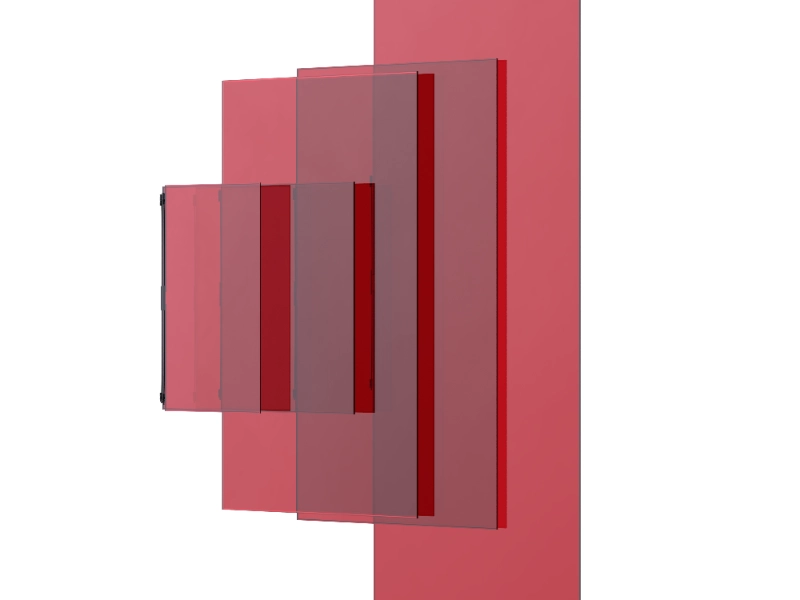
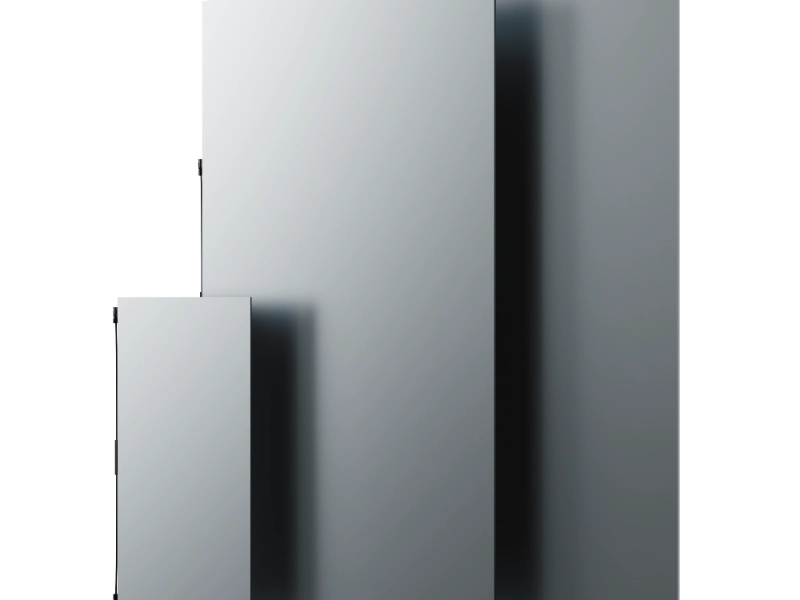
The product range provides multiple rated power configurations from 63W to 480W, while transparency options include 20%, 40%, and 50%, depending on the model.
These configurations give architects, developers, and technical buyers greater flexibility when planning facade-integrated photovoltaic systems.
A project focused on higher electricity generation may require a different power configuration from one where natural light transmission is a greater priority. The appropriate specification can be selected according to the requirements of each facade.
Customizable Appearance for Architectural Facades
One of the distinctive characteristics of this BIPV product is its flexibility in appearance.
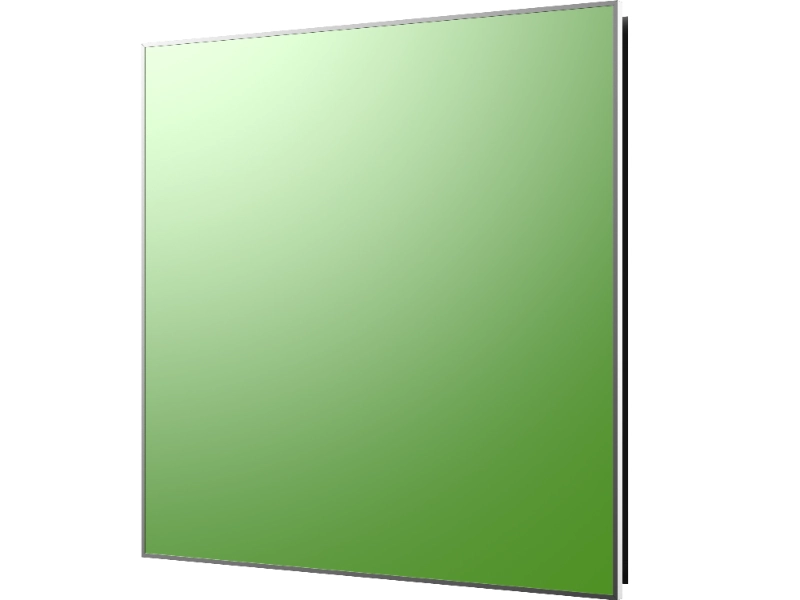
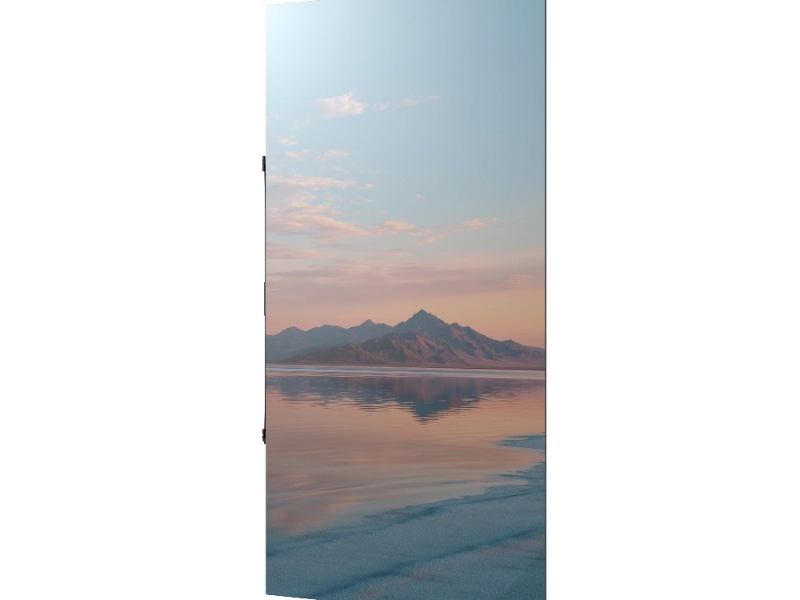
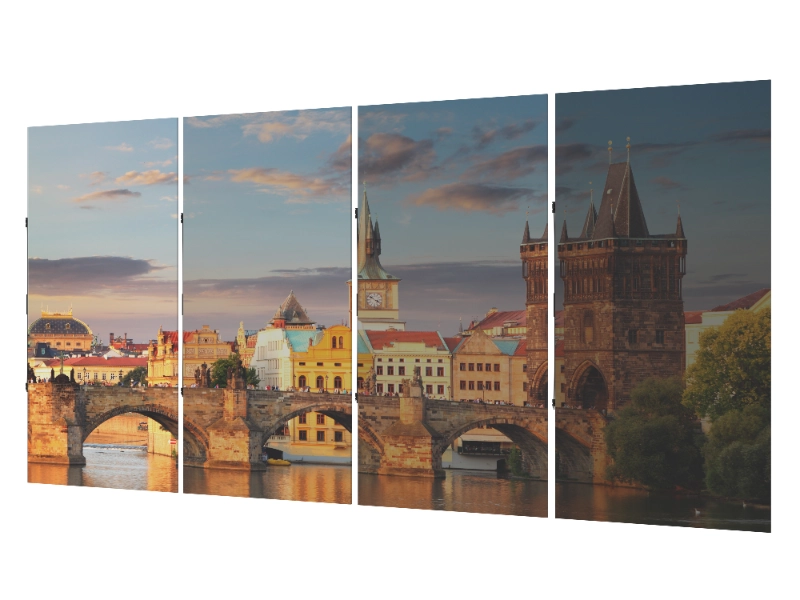
Grunsolar’s product information highlights colorful and customizable facade designs, including an ink-painting-inspired aesthetic with customizable patterns and different shades. This allows photovoltaic modules to become part of the architectural expression rather than simply appearing as conventional solar equipment.
This can be particularly valuable for:
- Architectural facades
- Cultural buildings
- Commercial buildings
- High-end architectural projects
- Decorative photovoltaic applications
- Projects where appearance is as important as energy generation
For architects, this provides another way to approach BIPV. Solar modules can be incorporated into the visual identity of the building instead of being treated purely as equipment that needs to be concealed.
Transparency Creates More Design Flexibility
Transparency is another important characteristic.
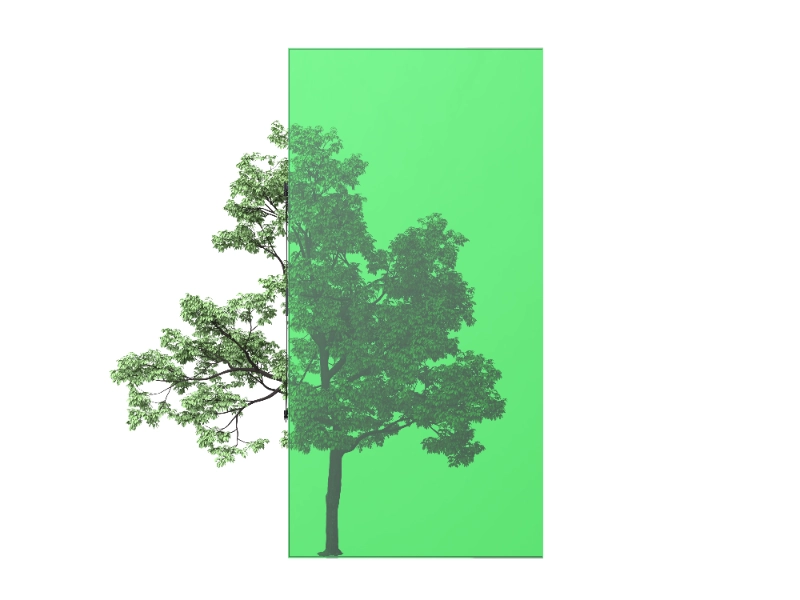
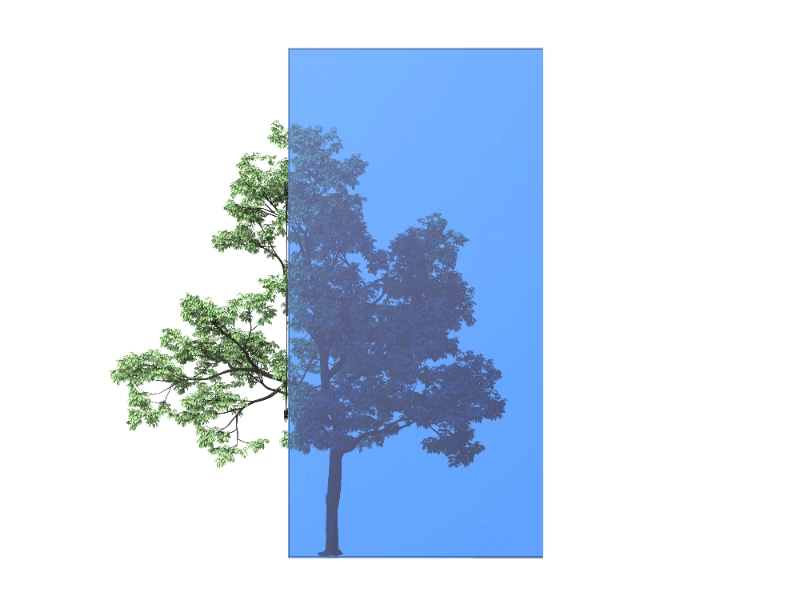
Grunsolar’s Custom BIPV Facade Panels offer 20%, 40%, and 50% transparency options, depending on the product configuration.
Transparency can influence how a BIPV facade interacts with daylight and the visual character of the building.
Different areas of a building may also have different requirements. A facade section may prioritize solar generation, while another area may require more light transmission. Multiple transparency options allow project teams to consider these requirements when selecting the appropriate configuration.
Transparency can therefore play a role in both architectural design and photovoltaic planning.
Thin-Film Technology for Changing Outdoor Conditions
The Grunsolar product information also highlights CdTe thin-film technology as part of the BIPV product approach.
According to the product information, the thin-film technology provides a relatively low temperature coefficient of approximately -0.21%/°C, which can help reduce power losses associated with high operating temperatures. The product information also highlights good low-light response, supporting energy generation under conditions such as cloudy weather, dawn, and dusk.
Unlike controlled laboratory testing, a building facade is exposed to changing solar radiation, temperature, cloud cover, and building orientation throughout the day.
Temperature response and low-light performance can therefore be useful considerations when evaluating the energy contribution of a BIPV installation under real outdoor conditions.
Designed to Address Hot-Spot and Long-Term Performance Concerns
Long-term reliability is another important part of BIPV evaluation.
Grunsolar’s product information describes a long-strip cell design intended to reduce the impact of hot spots and improve safety. The product information also states that the technology is designed without significant light-induced degradation and provides a 25-year power output warranty, generally referring to around 80% of initial output.
These characteristics are relevant to long-term solar module performance because photovoltaic projects are expected to generate electricity over many years rather than only deliver strong initial output.
For project owners, module design, temperature behavior, expected degradation, and long-term output assurance can all contribute to the overall assessment of a BIPV installation.
Building Integration Is Part of the Product Value
A major difference between BIPV and conventional rooftop PV is the relationship between the module and the building.
Grunsolar’s BIPV product information describes an integrated installation approach designed to work with modular and prefabricated curtain-wall systems, while also identifying applications such as exterior facades and translucent interior decorative elements.
Photovoltaic products can be considered during the architectural design stage rather than added to a finished building as an independent system. Integrating photovoltaic functionality into the project from the beginning can make it easier to coordinate the solar component with facade design and building requirements.
For developers and architects, this can combine:
Building material + facade design + daylight management + photovoltaic generation
within one integrated application.
How Grunsolar BIPV Panels Can Support Long-Term Energy Planning
When evaluating a BIPV project, several factors need to be considered together.
1. Rated Power
Grunsolar’s available configurations range from 63W to 480W, providing different power options for different facade applications.
2. Transparency
With 20%, 40%, and 50% transparency options, project teams can consider the relationship between energy generation and light transmission.
3. Temperature Performance
The listed -0.214%/°C power temperature coefficient provides an important reference when assessing module behavior under changing temperatures.
4. Low-Light Response
The product’s thin-film technology is designed to maintain useful energy generation under lower-light conditions, which can be relevant for facades experiencing changing daylight throughout the day.
5. Architectural Appearance
Color and pattern customization allows photovoltaic modules to become part of the visual design rather than relying only on the traditional appearance of solar panels.
6. Structural Integration
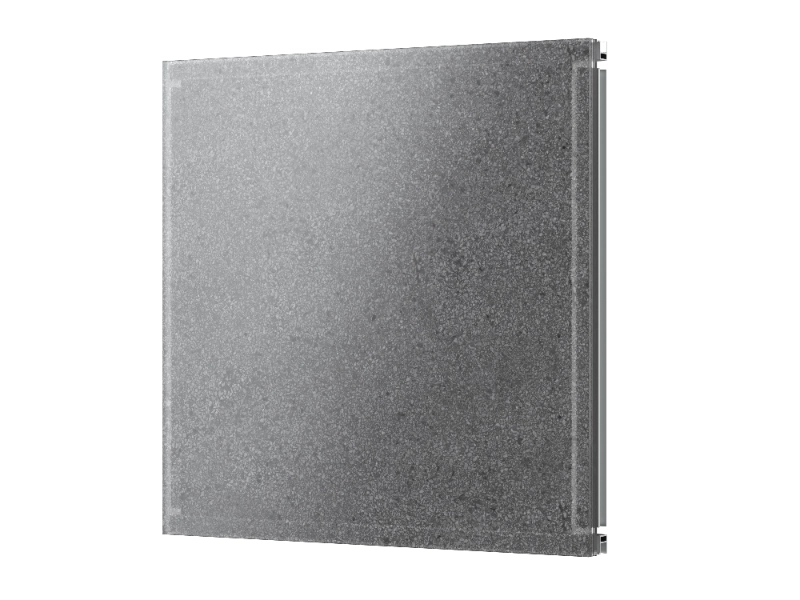
The product information highlights glass-based laminated structures and applications connected with curtain walls, facades, skylights, and partitions, depending on the configuration.
Taken together, these characteristics make the product relevant from both photovoltaic and architectural planning perspectives.
Why Product Configuration Matters for BIPV ROI
The ROI of a photovoltaic project depends on more than the initial purchase price.
A simplified way to look at long-term value is:
Initial Performance → Annual Energy Generation → Cumulative Energy Yield → Energy Savings or Revenue → Long-Term ROI
For BIPV, the equation can be expanded:
Power Generation + Facade Function + Architectural Value + Long-Term Performance
A BIPV module may contribute to the building in several ways at the same time.
It can generate electricity while serving as part of the facade design. It can provide controlled transparency while contributing to renewable energy generation. Depending on the project, it can also replace or integrate with certain architectural elements instead of being mounted separately on an existing roof.
BIPV product selection should therefore consider more than the highest initial wattage.
Why Choose a Custom BIPV Approach?
Every building has different requirements.
A commercial tower may prioritize facade appearance and energy generation.
A cultural building may require customized colors or patterns.
A semi-transparent facade may place greater emphasis on daylight transmission.
Another project may prioritize higher power output and long-term outdoor performance.
A standardized solar panel cannot necessarily address all of these requirements in the same way.
Grunsolar’s custom BIPV approach provides multiple options for power output, transparency, appearance, and architectural integration. Project teams can evaluate these options according to the specific requirements of the building.
The company’s stated approach also focuses on serving global markets through localized production and a global supply chain while helping customers work toward carbon-reduction goals.
BIPV procurement is often not simply about buying a quantity of standard solar panels. It involves selecting photovoltaic building materials that fit the requirements of a specific project.
What Should Buyers Compare Before Selecting BIPV Facade Panels?
Before making a purchasing decision, project teams can consider:
- Rated power
- Transparency
- Power temperature coefficient
- Low-light performance
- Expected long-term output
- Appearance and color options
- Pattern customization
- Dimensions and weight
- Glass and lamination structure
- Building integration requirements
- Application environment
- Project-specific customization needs
This provides a more complete basis for comparison than module efficiency alone.
For BIPV projects, the most suitable product is not necessarily the one with the highest initial power. The better choice may be the configuration that provides the right combination of energy performance, architectural flexibility, transparency, durability, and project compatibility.
FAQ About Solar Module Degradation and BIPV
7. How long is the power output warranty?
1. What is Solar Module Degradation?
Solar panel degradation over time refers to the gradual reduction in a photovoltaic module’s power-generating capability. Temperature, UV exposure, moisture, thermal cycling, and material aging can all influence long-term performance.
2. How does temperature affect solar module performance?
As operating temperature rises, photovoltaic output can decrease. A lower power temperature coefficient generally indicates a smaller relative power reduction as temperature increases. Grunsolar’s product specifications list a power temperature coefficient of –0.214%/°C.
3. What transparency options are available for Grunsolar BIPV facade panels?
The product range includes 20%, 40%, and 50% transparency options, depending on the model.
4. What power options are available?
The listed product configurations range from 63W to 480W, providing multiple choices for different BIPV applications.
5. Can the appearance of BIPV facade panels be customized?
Yes. Grunsolar’s product information highlights customizable colors and patterns, including ink-painting-inspired facade designs, allowing photovoltaic modules to be integrated more closely with architectural aesthetics.
6. Why is low-light performance important for BIPV?
Building facades may experience changing sunlight conditions throughout the day. Low-light response can therefore contribute to energy generation under cloudy conditions, at dawn, or near dusk. Grunsolar’s product information highlights this characteristic of its thin-film technology.
7. How long is the power output warranty?
Grunsolar’s related BIPV product information states a 25-year power output warranty, generally indicating around 80% of the initial output. Project buyers should confirm the applicable warranty terms for their specific product configuration.
Conclusion
Solar module degradation is an important consideration when evaluating the long-term energy yield and ROI of a photovoltaic project.
For BIPV, the evaluation also needs to account for the building itself. The photovoltaic module may form part of the facade, so energy performance has to be considered alongside appearance, daylight transmission, and architectural integration.
Grunsolar Custom BIPV Facade Panels combine photovoltaic performance with facade-oriented design.
With 63W–480W power configurations, 20%, 40%, and 50% transparency options, customizable colors and patterns, thin-film technology, a -0.214%/°C power temperature coefficient, low-light response, and a design intended for architectural integration, the product provides multiple configuration options for BIPV projects.
For projects where solar generation, architectural appearance, daylight transmission, and long-term performance all matter, a customizable BIPV facade can provide a more flexible alternative to conventional photovoltaic installations.
For architects, developers, EPC contractors, and procurement teams, the right BIPV panel needs to fit both the energy objectives and the architectural requirements of the project. Grunsolar Custom BIPV Facade Panels provide configurable power output, transparency, appearance, and facade integration options for projects where conventional PV modules may not offer enough design flexibility.