


_WH_800x600px.webp)


Residential Double-Glass BIPV Solar Modules: Integrated Solutions for Roof and Facade Applications
Release time: 2026-08-05
Table of Contents
As residential architecture moves toward greater energy efficiency and sustainable design, solar power is becoming more closely connected with the building itself.
Rather than installing solar panels as separate equipment after construction, architects, developers, EPC contractors, and facade companies are increasingly evaluating photovoltaic solutions during the early design stage. This approach allows solar generation to be coordinated with the building’s roof, facade, and overall architectural concept.

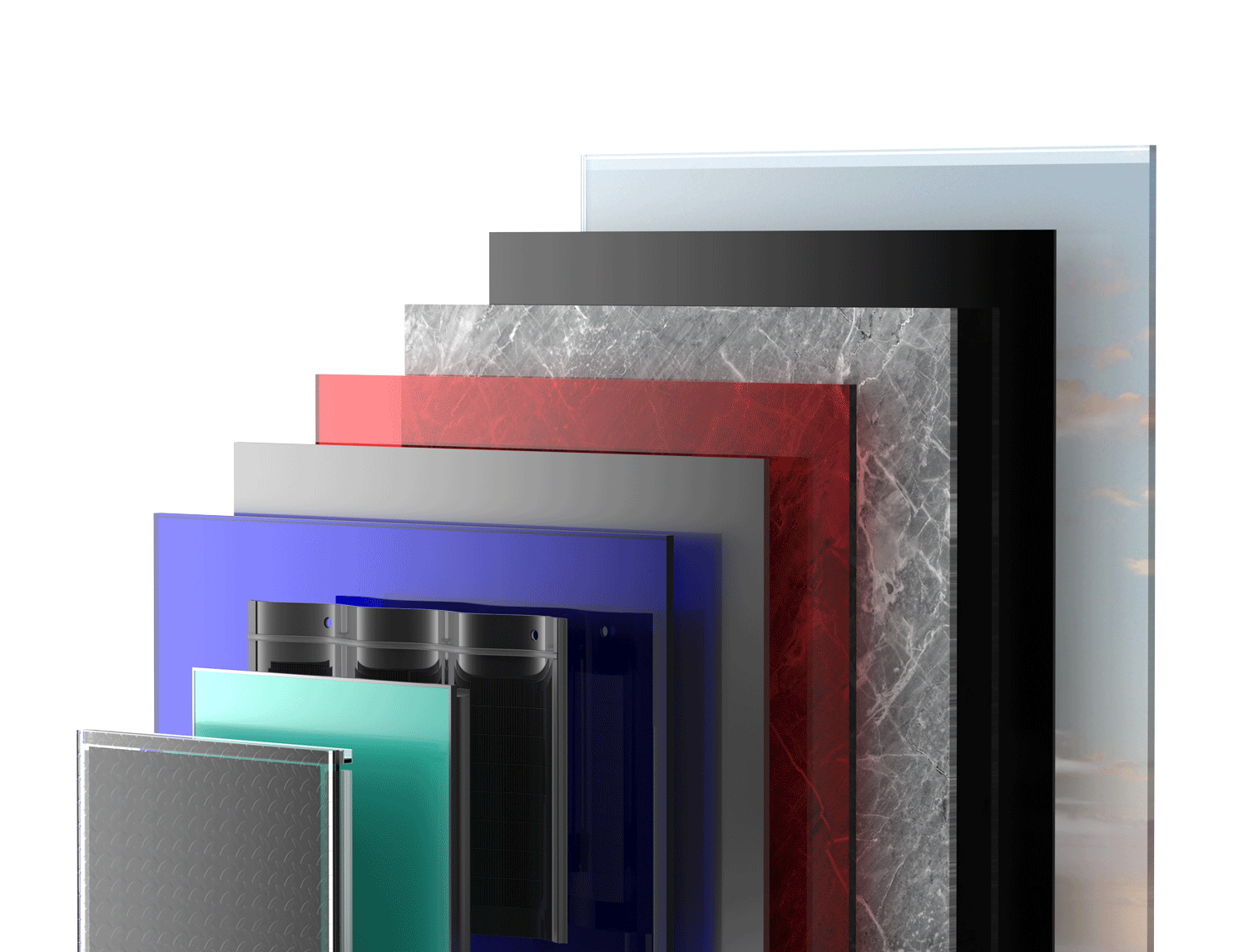
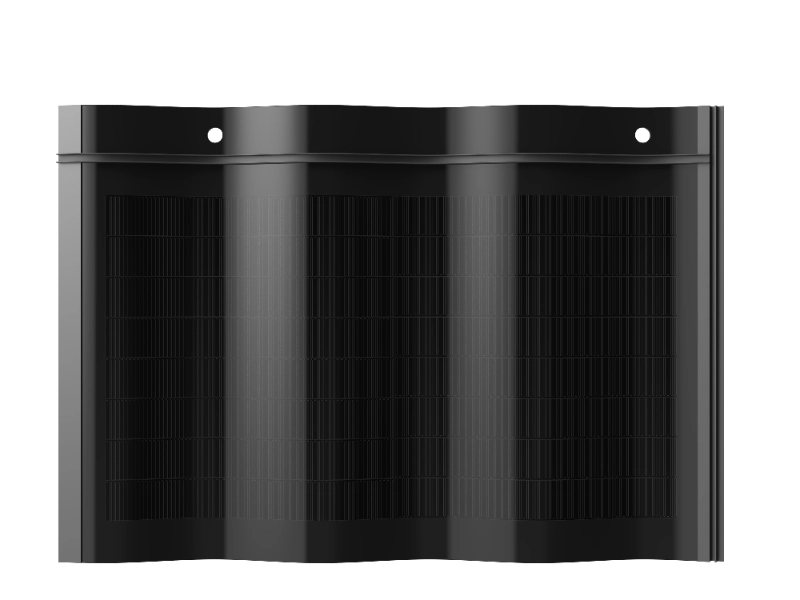
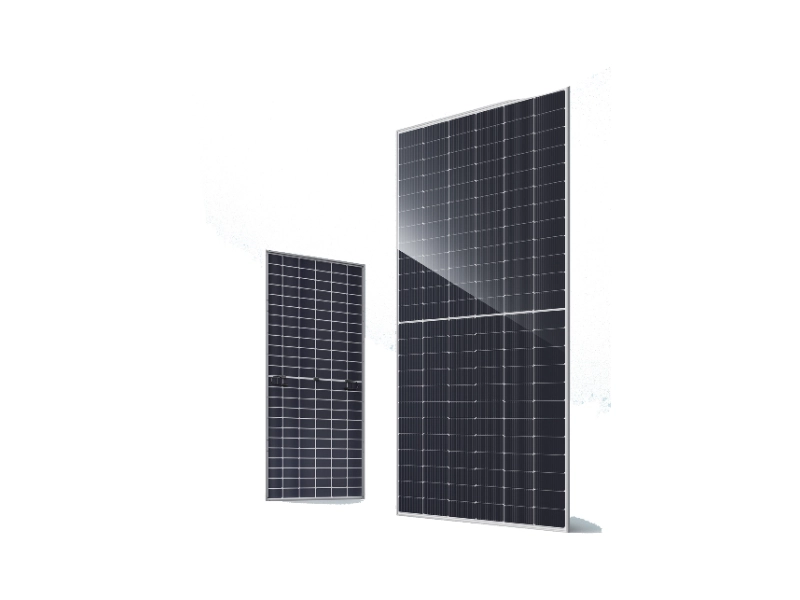
Residential Double-Glass BIPV Solar Modules are designed for this type of application. By combining photovoltaic power generation with a glass-based module structure, they can be considered for residential roofs, facades, sunrooms, and other suitable architectural surfaces.
The value of BIPV is not only measured by electricity generation. It also involves the coordination of photovoltaic technology with building materials, structural systems, installation methods, and architectural requirements.
What Is BIPV?
Traditional solar panels are generally installed above existing roofs using rails, brackets, or additional support structures. This approach remains practical for many projects, especially when the main objective is adding solar capacity to an existing building.
Building-integrated photovoltaics (BIPV) take a different approach. The photovoltaic module is considered as part of the building envelope and can be integrated into selected roofs, facades, glazing systems, shading structures, or other architectural applications.
This means solar planning can become part of the building design process instead of being treated as an additional system installed after construction.
For residential projects, BIPV Solar Modules can provide an option where renewable energy generation needs to work together with architectural appearance, available space, and building design requirements.
Traditional Solar Panels vs BIPV Solar Modules
Understanding the difference between conventional solar installations and integrated photovoltaic solutions helps project teams select the right approach.
| Feature | Traditional Solar Panels | BIPV Solar Modules |
| Installation approach | Mounted above existing structures | Integrated into selected building surfaces |
| Primary purpose | Electricity generation | Electricity generation with building integration |
| Design process | Usually added after building design | Considered during architectural planning |
| Typical applications | Mainly rooftop systems | Roofs, facades, and suitable architectural surfaces |
| Appearance | Additional external equipment | Coordinated with building design |
| Project coordination | Mainly electrical and mounting design | Architectural, structural, electrical, and installation coordination |
For residential developments where aesthetics, space utilization, and energy performance are all important considerations, BIPV provides a more integrated design approach.
Product Overview: Residential Double-Glass BIPV Modules
Before selecting a BIPV solution, project teams usually need to evaluate both technical specifications and architectural requirements.
| Item | Description |
| Product Type | Residential Double-Glass BIPV Solar Modules |
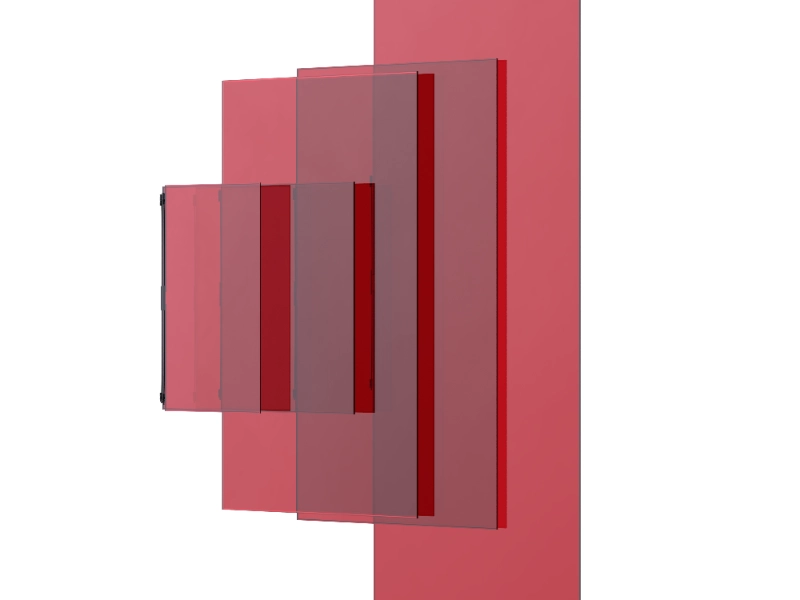
| Structure | Glass-glass photovoltaic module design |
| Glass Configuration | 3.2 mm power-generating glass + intermediate layer + 3.2 mm float glass |
| Applications | Residential roofs, facades, sunrooms, and suitable architectural surfaces |
| Design Approach | Building-integrated photovoltaic applications |
The appropriate configuration depends on the building design, installation environment, energy objectives, and local project requirements.
Why Double-Glass Design Matters
The double-glass structure is an important feature of residential BIPV applications.
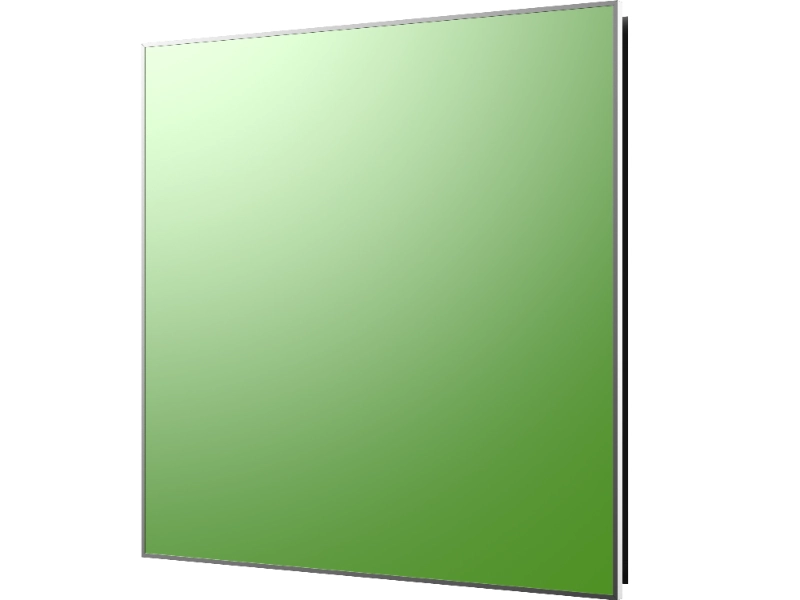
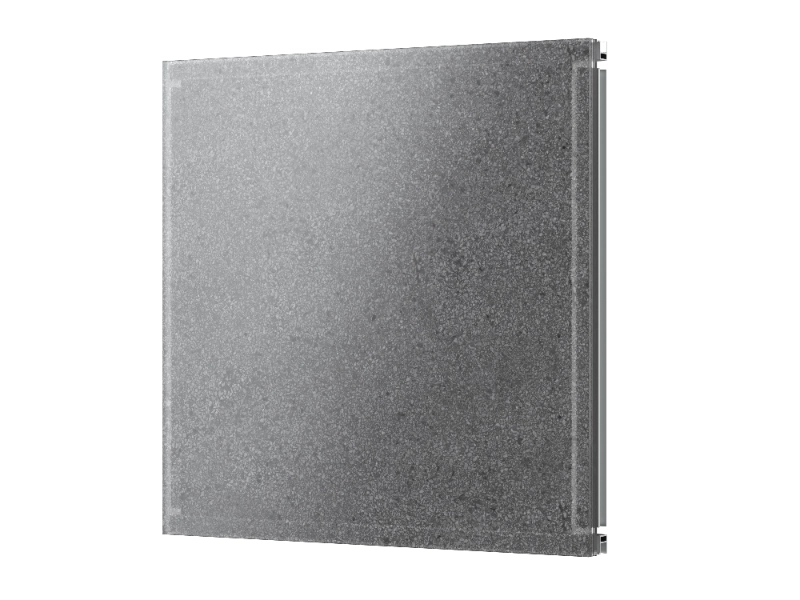
The Grunsolar residential BIPV product is designed with a glass-glass structure for roof and facade applications. Its listed construction includes a 3.2 mm power-generating glass layer, an intermediate layer, and 3.2 mm float glass.
Compared with conventional framed solar panels mounted above a roof, this glass-based format can better support projects where photovoltaic modules need to coordinate with architectural design.
However, selecting Double Glass BIPV Modules should not be based only on appearance.
Project teams should also evaluate:
- Module dimensions and layout.
- Roof or facade orientation.
- Solar exposure and shading conditions.
- Supporting structures and fixing methods.
- Waterproofing and drainage requirements.
- Electrical connection and cable routing.
- Maintenance and replacement access.
- Local construction regulations and applicable standards.
A successful BIPV project requires coordination between photovoltaic technology, architecture, and construction planning.
Residential Roof and Facade Applications
Residential Double-Glass BIPV Solar Modules can be evaluated for different types of residential building applications.
The final solution should be determined through cooperation between the module supplier, architect, structural engineer, installer, and other project partners.
Residential Roof Applications
Residential roofs often provide valuable areas for solar integration.
Potential applications may include:
- Villas.
- Pitched-roof houses.
- Flat-roof residential buildings.
- Sunrooms.
- Residential extensions.
- Customized housing developments.
For roof applications, project teams should confirm:
- Roof angle.
- Available installation area.
- Structural conditions.
- Drainage design.
- Access requirements.
- Maintenance planning.
The goal is not simply to install more modules. A successful roof-integrated solution should coordinate photovoltaic layout with roof structure and architectural requirements.
Residential Facade Applications
Facades can provide additional opportunities for photovoltaic integration, especially when roof space is limited or when the building design places greater emphasis on the external envelope.
Potential applications include:
- External wall systems.
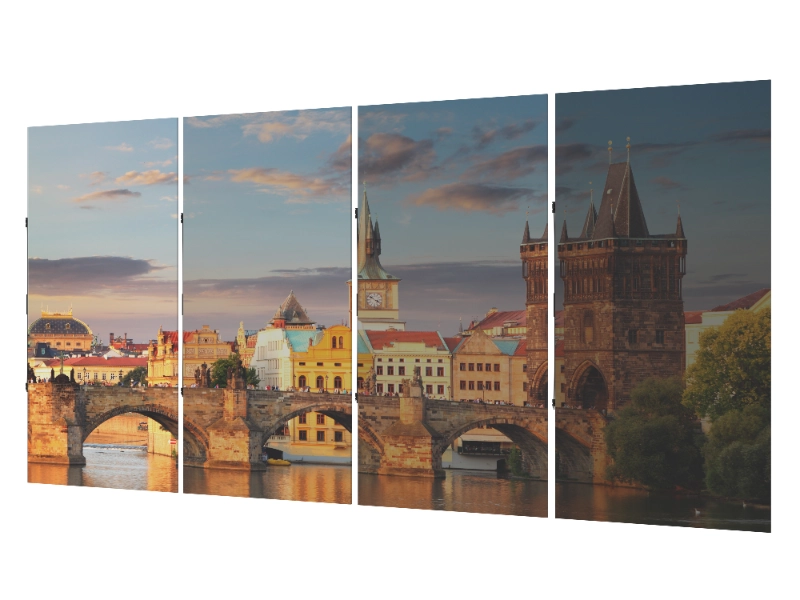
- Selected curtain-wall areas.
- Architectural cladding systems.
- Decorative building surfaces.
- Energy-generating facade sections.
Facade projects require careful coordination because photovoltaic modules may need to work together with structural systems, weatherproofing requirements, and installation methods.
For this reason, facade BIPV is usually more effective when considered during the early design stage rather than added after the building envelope has already been finalized.
A Project-Oriented Supplier Approach
For BIPV projects, choosing a module is only one part of the process. The supplier also needs to understand how the product will be integrated into the building.
Grunsolar supports customers who are evaluating residential roof and facade photovoltaic applications.
Before discussing a suitable configuration, customers can provide information such as:
| Project Information | Purpose |
| Project location | Helps identify environmental and regulatory conditions |
| Building type | Clarifies the intended residential application |
| Roof or facade application | Supports initial integration planning |
| Architectural drawings or dimensions | Helps coordinate module layout |
| Expected power output | Defines energy requirements |
| Glass or appearance requirements | Supports architectural coordination |
| Estimated quantity | Helps production planning |
| Purchasing schedule | Supports delivery planning |
This project-oriented approach can support different customer groups, including:
- EPC contractors.
- Architectural firms.
- Real estate developers.
- Facade companies.
- Solar distributors.
- Residential construction companies.
The earlier project information is provided, the easier it becomes to evaluate module dimensions, architectural layout, installation methods, and electrical design requirements.
Factors to Consider When Selecting BIPV Modules
Choosing suitable BIPV Solar Modules requires more than comparing power output.
Important factors include:
| Consideration | Why It Matters |
| Building design | Determines suitable integration method |
| Installation location | Affects solar exposure and system planning |
| Structural requirements | Ensures compatibility with building conditions |
| Appearance requirements | Supports architectural objectives |
| Electrical design | Ensures proper system connection |
| Local regulations | Helps meet project compliance requirements |
A complete evaluation helps ensure that the photovoltaic system works effectively as part of the building.
Frequently Asked Questions About Residential BIPV Solar Modules
1. How are BIPV modules different from traditional solar panels?
Traditional solar panels are usually installed above an existing structure. BIPV modules are planned for integration into selected building surfaces, allowing photovoltaic generation to become part of the architectural design.
2. What are the applications of double-glass BIPV modules?
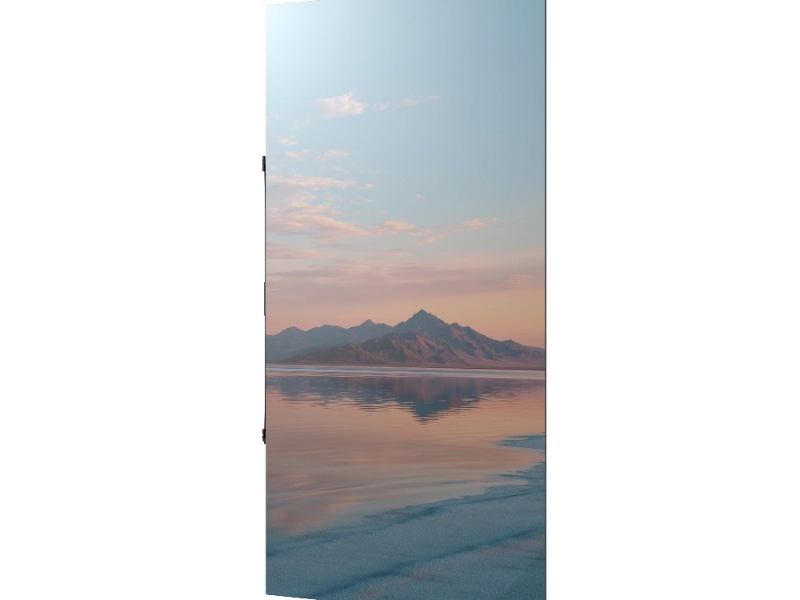
Depending on project requirements, Double Glass BIPV Modules may be considered for residential roofs, villas, sunrooms, facades, cladding systems, and other suitable architectural surfaces.
3. What should customers prepare before requesting a BIPV solution?
Customers should provide project location, building type, installation area, architectural drawings, expected power output, appearance requirements, and customization requirements.
4. Can BIPV modules be used for facade projects?
Yes. Facade applications can be considered when structural design, installation methods, electrical requirements, and local building regulations are suitable.
5. What factors affect the selection of residential BIPV modules?
Selection depends on building structure, installation area, orientation, shading conditions, appearance requirements, energy goals, and project regulations.
6. Can Grunsolar support customized BIPV projects?
Grunsolar can review residential roof and facade applications with project partners and discuss suitable module configurations based on project dimensions, design conditions, and application requirements.
Discuss Your Residential BIPV Project
Residential Double-Glass BIPV Solar Modules provide a way to combine renewable energy generation with modern architectural design.
Their value lies in integrating photovoltaic technology into residential roofs, facades, and other building surfaces while supporting energy goals and architectural requirements.
With experience in photovoltaic solutions, Grunsolar works with architects, developers, EPC contractors, and solar partners to evaluate BIPV opportunities for residential projects.
If you are planning a residential roof, villa, sunroom, facade, or customized BIPV project, send Grunsolar your architectural drawings, project dimensions, application details, and expected power requirements.
Our team can help review your project conditions and discuss a suitable Double Glass BIPV Modules solution for your application.