


How Can Commercial Solar Systems Reduce Factory Electricity Costs?
Release time: 2026-09-17
Table of Contents
Electricity is one of the major operating costs for many factories, particularly for facilities running production lines, HVAC equipment, pumps, compressors, refrigeration, and other high-power machinery for long hours. Simply installing more solar panels does not always solve the problem. What matters is making better use of the electricity generated on site while reducing dependence on grid power during expensive or high-demand periods.
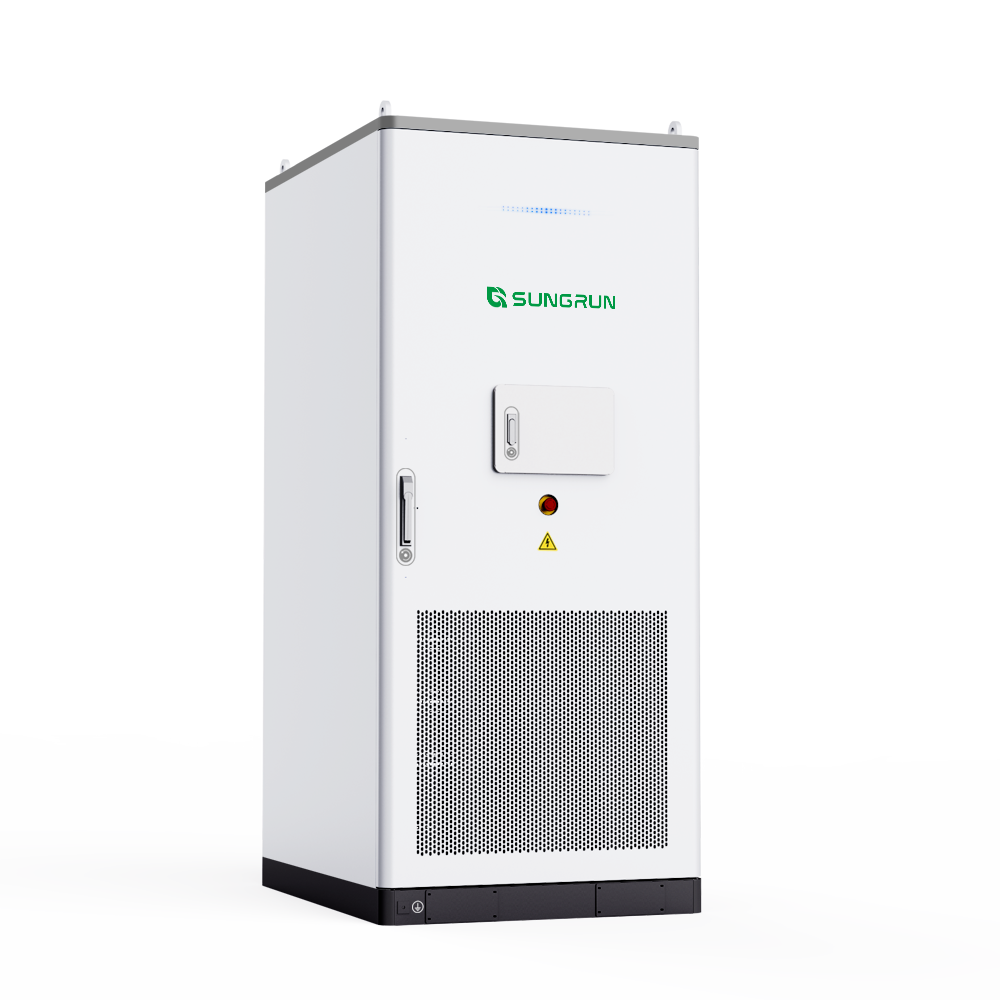
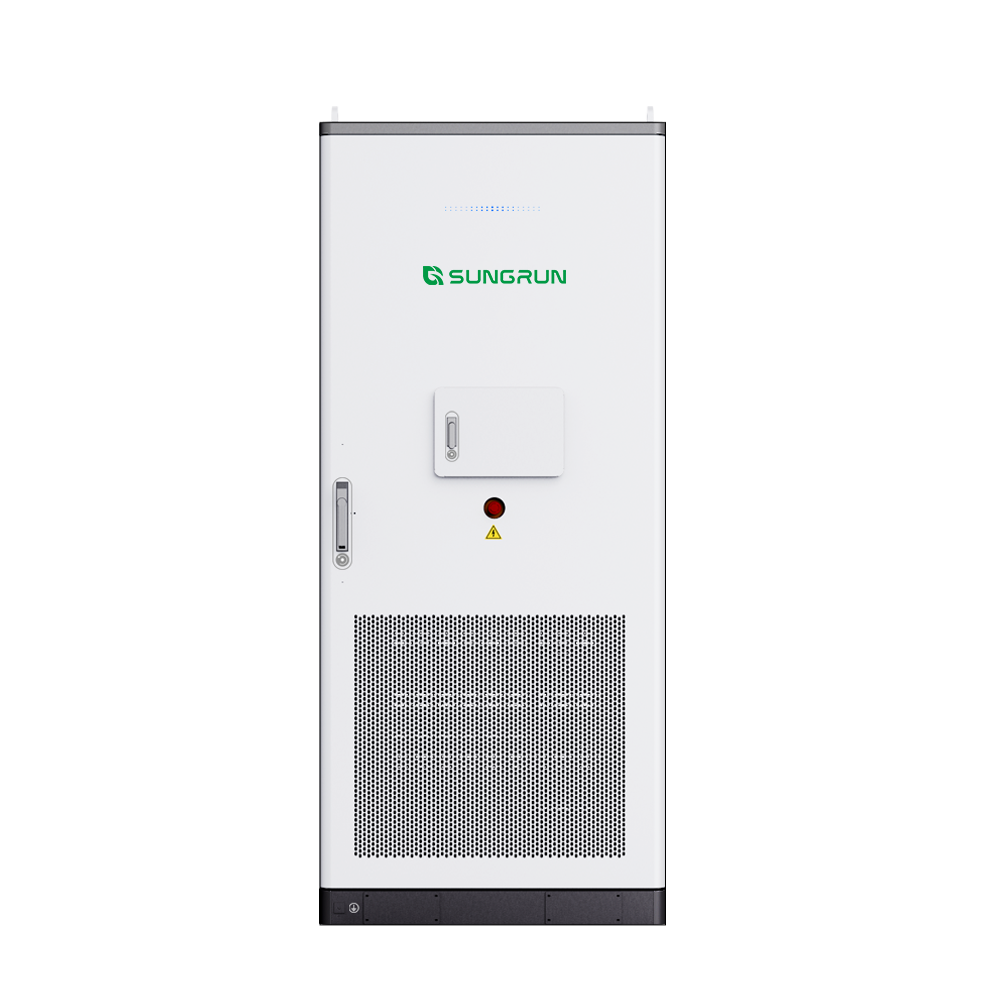
A well-designed solar and storage setup can address both sides of the equation. Solar PV can supply part of the factory’s daytime load, while battery storage can retain excess generation and release it when demand increases. This allows the factory to use more of its own renewable electricity and reduce unnecessary grid consumption.
Grunsolar Technology Co., Ltd. is a green energy enterprise formed through the integration of Grun Holding Group and related entities. The company brings together more than 15 years of experience in green energy buildings, photovoltaic system technology, and energy storage solutions, along with more than 120 national patents. Its energy storage portfolio includes systems designed for different commercial and industrial operating requirements.
Commercial Solar and Energy Storage Products for Factory Applications
Factory energy consumption varies significantly from site to site. A facility with a stable daytime load may prioritize solar self-consumption, while a factory with large demand peaks may need battery storage for peak shaving. Systems with different power and capacity configurations can therefore offer more practical options than a single fixed solution.
| Product Series | Power / Capacity | Main Features | Suitable Applications |
| 125K Series | 125 kW; 209.0 / 261.25 / 418.0 kWh | LiFePO4, liquid cooling, 10-channel MPPT, IP55 | Factory peak shaving, solar integration, backup power |
| GR125H2-PV-STS | 125 kW / 261.24 kWh | LiFePO4, dual MPPT, liquid cooling, STS switching | Solar integration, peak shaving, backup power |
| GRXH Series | 20.48–71.68 kWh, expandable to 280 kWh | Modular LFP racks, 1000 Vdc, AI-powered BMS, IP55 | Peak shaving, backup, renewable integration |
The 125K Series provides a fixed 125 kW output with three available energy capacities: 209.0 kWh, 261.25 kWh, and 418.0 kWh. It uses LiFePO4 batteries and supports a battery operating voltage of 160–1000 V. The system also provides 10-channel MPPT and up to 250 kW of solar PV access, making it suitable for factories where solar generation and battery storage need to work together.
The GR125H2-PV-STS delivers 125 kW of power and 261.24 kWh of LFP storage. Its dual MPPT trackers allow direct solar integration, while on/off-grid STS switching supports the transition between grid and stored power. The system uses liquid cooling and aerosol fire suppression and is specified for 8,000 cycles.
For factories with changing or expanding energy requirements, the GRXH Series takes a modular approach. Individual configurations range from 20.48 kWh to 71.68 kWh, with parallel racks allowing the total capacity to reach 280 kWh. Up to seven PACKs can be connected in series, and up to four racks can be connected in parallel.
How Does Solar Reduce a Factory’s Electricity Consumption?
The most direct way solar power can reduce electricity costs is by supplying factory loads during periods of PV generation.
Production facilities often have substantial daytime consumption. Machinery, lighting, ventilation, air conditioning, and other equipment may operate at the same time that solar output is highest. When the PV system supplies these loads directly, the factory needs to purchase less electricity from the grid.
This is particularly useful when the factory has a relatively stable daytime load. Solar power can become part of the facility’s normal electricity supply rather than being treated as a separate generation source.
However, solar output changes with weather and time of day. Production schedules may also extend beyond daylight hours. This is where battery storage becomes useful.
How Does Battery Storage Further Reduce Grid Electricity Use?
A battery allows electricity generated by the PV system to be used at a different time from when it was produced.
For example, a factory may generate more solar electricity around midday than it is consuming at that moment. Instead of leaving the surplus unused or exporting it under less favorable conditions, the battery can store part of that energy. When solar output falls but the factory continues operating, the stored electricity can be discharged to support the load.
The basic operating sequence is:
Solar generation → factory loads → excess solar → battery charging → stored energy → later factory loads
A commercial energy storage system adds flexibility that a PV-only installation cannot provide. It allows the factory to shift part of its electricity consumption away from the grid and use stored solar energy when it is more useful.
The actual economic benefit depends on the site’s electricity tariff, solar generation profile, load pattern, battery operating strategy, and local grid conditions. Battery storage should therefore be sized according to the site’s actual requirements rather than simply according to the amount of PV installed.
Can Peak Shaving Lower Factory Electricity Costs?
For factories with short periods of high electricity demand, peak shaving can be just as important as increasing solar generation.
A production line may create a temporary increase in power demand when several machines start or operate simultaneously. HVAC systems, compressors, pumps, and other equipment can also produce significant demand peaks. Even when these peaks last for a limited period, they can affect the facility’s electricity charges depending on the local tariff structure.
Battery storage can discharge during these periods and supply part of the required power. The factory then draws less power from the grid at the peak.
The battery’s power rating is particularly important in this application. A battery with a large energy capacity but insufficient output power may not be able to respond effectively to a high instantaneous load.
The 125K Series, for example, provides a fixed 125 kW output while offering three different energy capacities. This allows the power requirement and required storage duration to be considered separately. A factory that needs short-duration peak shaving may have very different capacity requirements from one that needs several hours of load support.
Why Is Solar-plus-Storage More Flexible Than Solar Alone?
Solar PV and battery storage address different parts of a factory’s electricity profile.
Solar primarily reduces grid consumption when the panels are producing electricity. Storage changes when that electricity can be used.
A solar-plus-storage system for commercial use can provide several operating options:
- Use solar power directly for factory loads.
- Store surplus PV generation for later use.
- Discharge the battery during periods of high demand.
- Maintain a reserve for selected backup loads.
- Coordinate battery operation with the factory’s electricity tariff and load profile.
This does not mean the battery should discharge whenever electricity demand rises. Frequent or unnecessary cycling can increase battery usage without creating meaningful savings. The operating strategy needs to account for electricity prices, PV output, load demand, state of charge, and the required backup reserve.
The value of a solar-plus-storage installation therefore depends on how well its operating strategy matches the factory’s actual energy profile.
What Role Does Energy Management Play?
Once PV and battery storage are combined, energy management becomes an important part of the system.
The GRXH Series uses a Master-Slave BMS with AI-based algorithms for cell balancing and real-time optimization. It also supports OTA upgrades, cloud-platform EMS functions, multi-inverter communication, and remote monitoring.
For a factory, these functions can help coordinate battery operation with the site’s electrical demand. The battery can be used for peak shaving during normal production while maintaining an appropriate state of charge for other operating requirements.
The system does not simply need to keep the battery full or empty. It needs to retain enough available energy for the next operating period while avoiding unnecessary charging and discharging.
How Should a Factory Size a Solar and Storage System?
There is no single storage capacity that suits every factory. System sizing should start with actual electricity consumption data.
1. Analyze the factory load profile
Review hourly or interval electricity data to identify normal consumption, peak demand, production schedules, and periods of low load.
2. Identify critical loads
Determine which equipment must continue operating during a grid interruption. This helps separate backup requirements from normal energy management needs.
3. Assess the available solar area
Roof area, solar irradiation, structural conditions, and the factory’s electrical connection all affect the practical PV capacity.
4. Match battery power to peak demand
The battery inverter needs enough output power to reduce the targeted demand peak. A large energy capacity cannot compensate for an insufficient power rating.
5. Match battery capacity to operating duration
The required capacity depends on how long the battery needs to support the factory and how much energy needs to be shifted from one period to another.
6. Consider future expansion
Factories may add production equipment or increase operating hours over time. A modular system can make future capacity expansion easier.
The GRXH Series is designed with this consideration in mind. Its modular architecture allows capacity to expand to 280 kWh through parallel rack connections, subject to the system configuration.
Which Factory Operations Can Benefit Most?
Solar and storage can be particularly useful for factories with high daytime electricity consumption, significant demand peaks, or large rooftop areas suitable for PV installation.
Manufacturing plants can use solar generation for daytime production loads while using batteries for peak shaving. Facilities with compressors, refrigeration, pumps, or HVAC systems may also benefit from shifting battery discharge to periods of high demand.
Factories operating multiple shifts may gain additional value from storage because electricity demand can continue after solar production decreases. In these cases, stored solar energy can extend the useful period of on-site renewable generation.
The expected savings should always be calculated from actual site data. A facility with low daytime consumption, limited solar potential, or a tariff with little difference between peak and off-peak periods may have a different economic case from a high-load manufacturing plant.
Why Choose an Integrated Approach?
Using solar and battery storage as separate systems can limit the ability to coordinate generation, storage, and factory demand. An integrated system allows these elements to be considered together during project design.
A properly configured commercial battery energy storage system can support solar self-consumption, peak shaving, and selected backup loads. At the same time, PV capacity can be matched to the factory’s available installation area and electricity consumption.
The goal is not simply to install more solar panels or a larger battery. The aim is to build an electricity system in which generation and storage respond to the factory’s actual operating pattern.
Why Consider Grunsolar for Factory Energy Projects?
Grunsolar Technology Co., Ltd. is headquartered in Hefei, China, with project experience in more than 30 countries and local support teams in Europe, North America, and Southeast Asia. Its business covers photovoltaic building integration and innovative applications, portable energy systems, energy storage systems, and photovoltaic power station construction.
The company combines localized production with global supply chains and has annual production capacity across its four core business segments. With more than 120 national patents and accumulated experience in green energy buildings, photovoltaic technology, and energy storage, it aims to provide efficient and reliable renewable energy products and services for customers in different markets.
For factory projects, this broader product portfolio allows solar generation and energy storage requirements to be considered as part of the same energy strategy.
Conclusion
Commercial solar can reduce factory electricity costs by supplying on-site loads with renewable power and reducing the amount of electricity purchased from the grid. The benefit becomes more flexible when battery storage is added, allowing surplus solar generation to be stored and used later.
A commercial energy storage system can also reduce demand peaks by supplying part of the factory’s power requirement during high-load periods. The actual savings, however, depend on the factory’s load profile, electricity tariff, PV capacity, battery power, storage capacity, and operating strategy.
For facilities with significant daytime consumption and suitable solar resources, a solar-plus-storage system for commercial use can provide a practical way to coordinate solar generation, battery storage, and factory electricity demand. When the system is sized around real operating data rather than nominal capacity alone, solar and storage can become a more effective part of the factory’s long-term energy management strategy.
Grunsolar continues to develop photovoltaic and energy storage technologies with the goal of supporting customers in different markets through reliable products, global supply capabilities, and localized support.