-
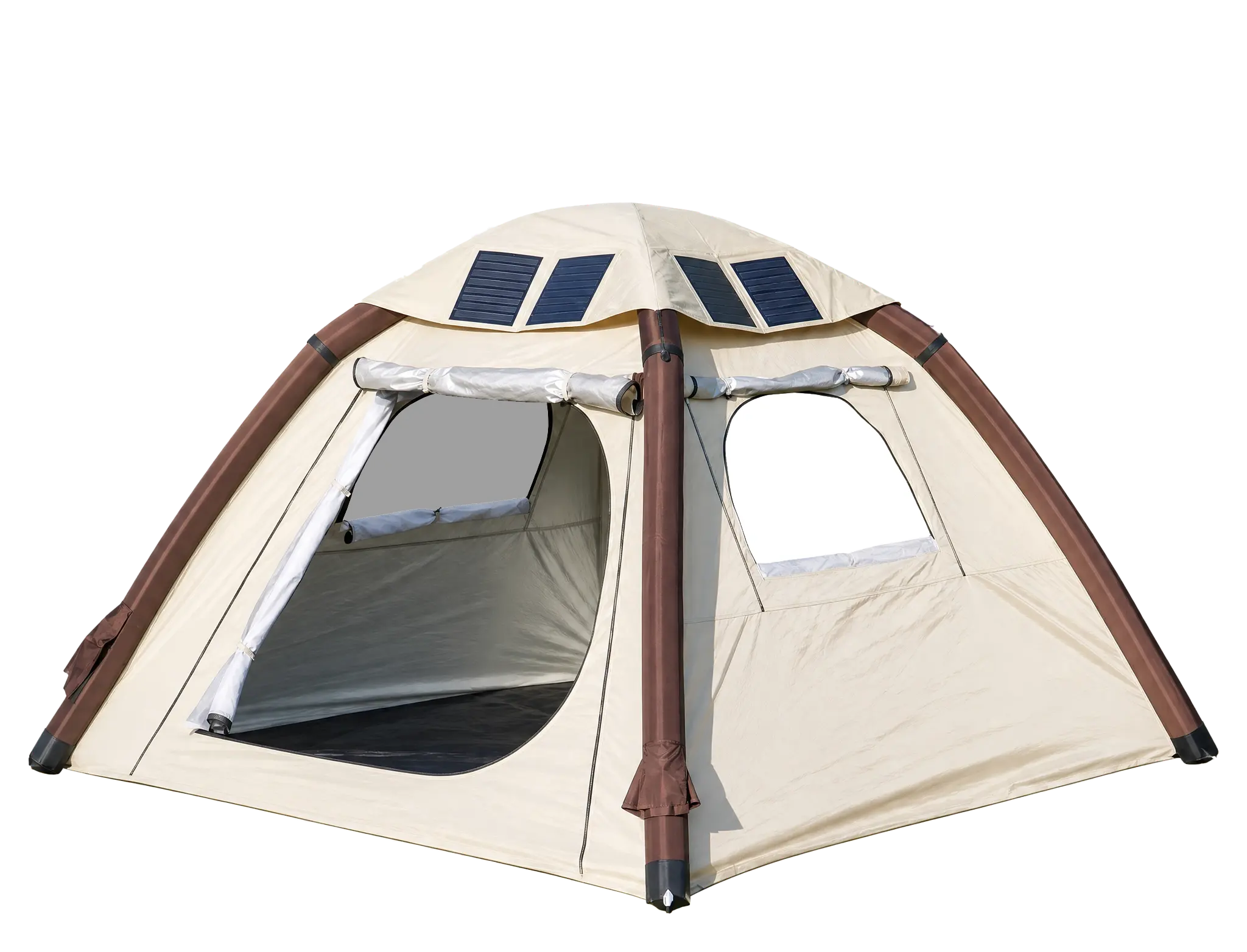
How do the two tent models differ in usable size and shipping size?
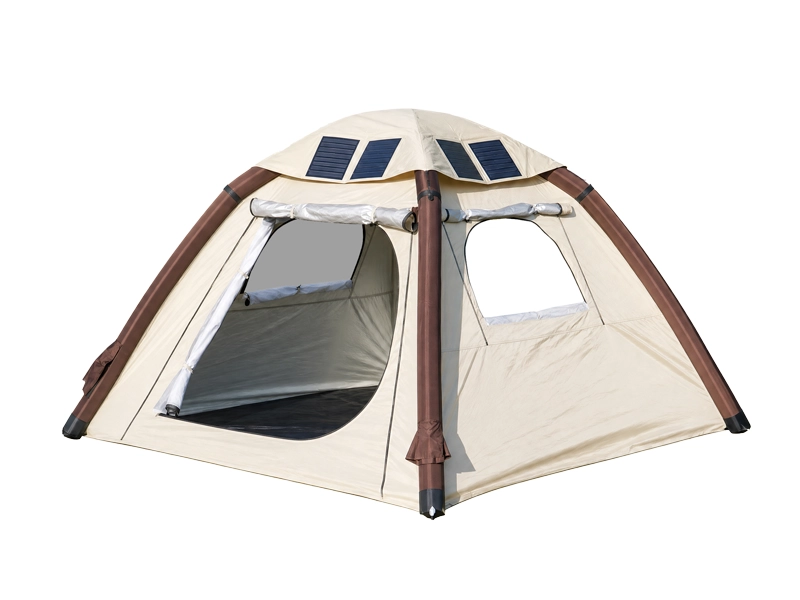
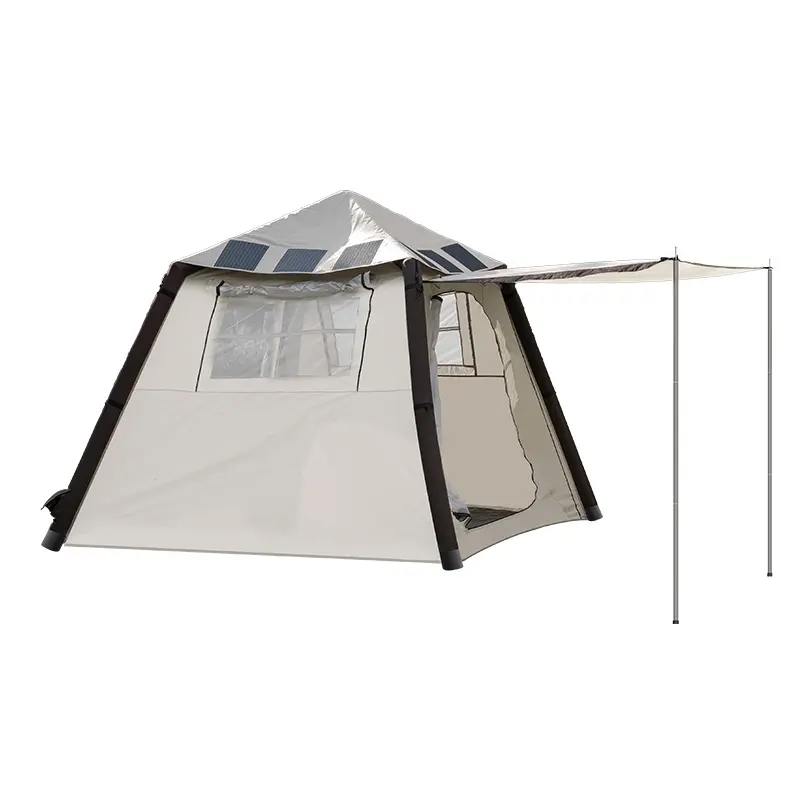
PT-ZP-52W is specified for 2–3 occupants (200 × 200 × 160 cm deployed; 54 × 24 × 24 cm packed; 5.1
kg tent body). PT-ZP-120W is specified for 4–6 occupants (220 × 220 × 170 cm; 55 × 24 × 20 cm packed;
6.6 kg tent body). Occupancy is a marketing planning guide; buyers should assess sleeping-mat layout
and gear storage rather than infer equal comfort per person
-
How fast does the inflatable frame deploy, and what pressure is allowed?
Both models specify an inflation time below 3 minutes, a TPU air-beam structure and an indicated
pressure range of 0–7 psi. Their pump airflow is listed as 40–45 L/min. Actual time varies with battery
charge, ambient temperature and assembly. The buyer should confirm whether the pressure is
regulated automatically, and follow the final operating instructions rather than over-inflate
-
Is the air pump permanently built in, and what does its battery contain?
The supplied system is described as a pump with a detachable battery pack, rated at 7.4V,
2,000mAh/14.8Wh; the pump is rated at 50W. The battery module is approximately 143g, while the pump
body is approximately 763g. Buyers should request a component diagram, spare-battery policy and
confirmation of the exact battery chemistry and model used in the shipment
-
How is the pump battery recharged, and is it charged by the solar roof?
The pump-battery specification states 5V/1.5A charging and approximately 3–4 hours charging time.
The brochures do not establish automatic charging from the solar roof to this battery. Do not promise
automatic top-up, pass-through charging or a particular number of tent inflations per charge until the
actual connection path and endurance have been validated.
-
What do 52W and 120W actually describe on the tent?
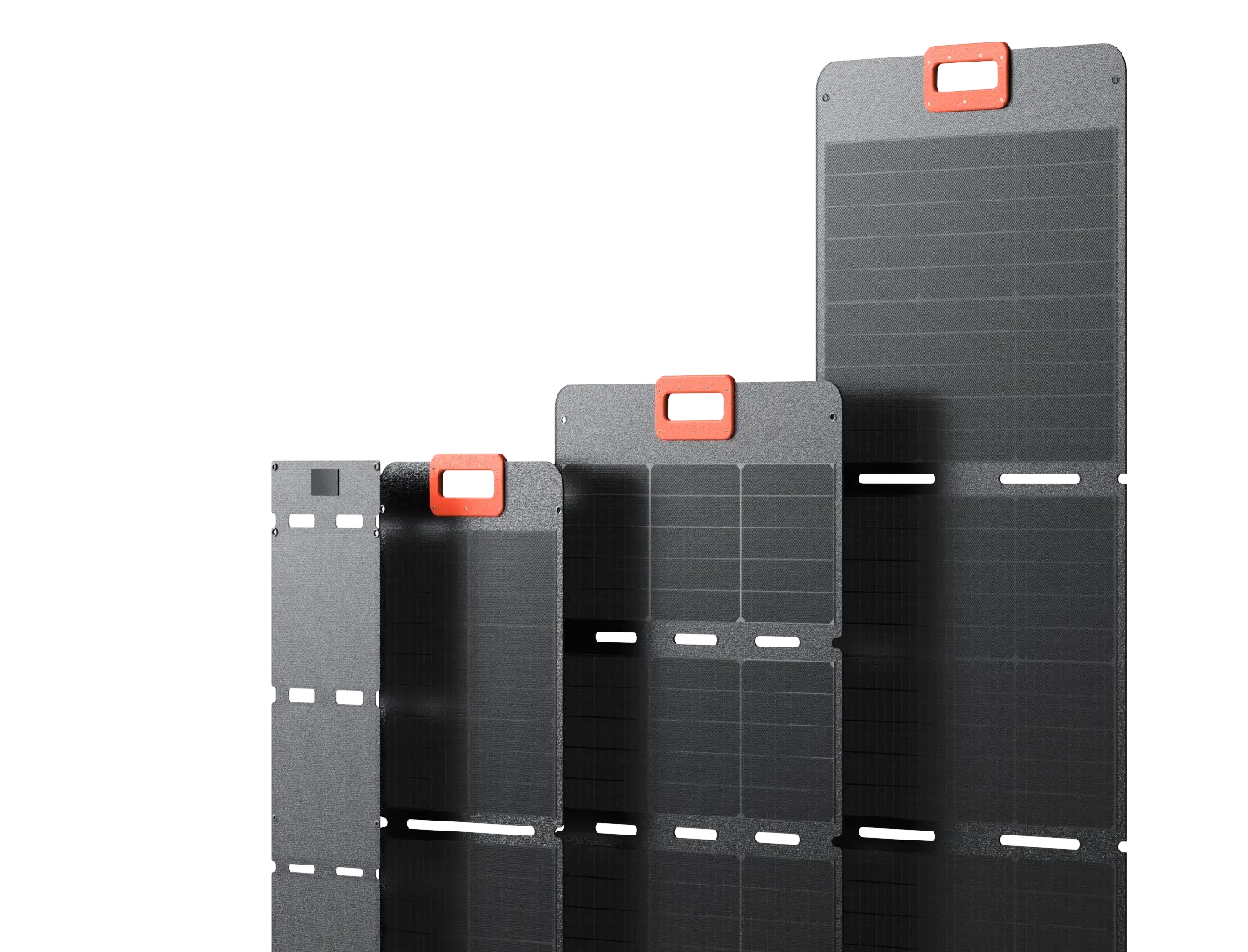
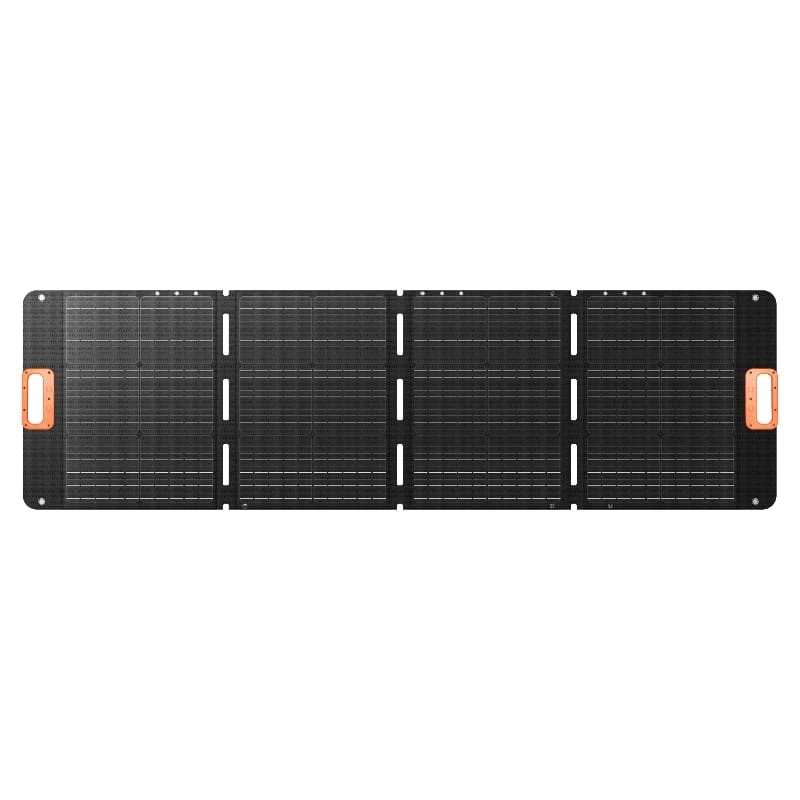
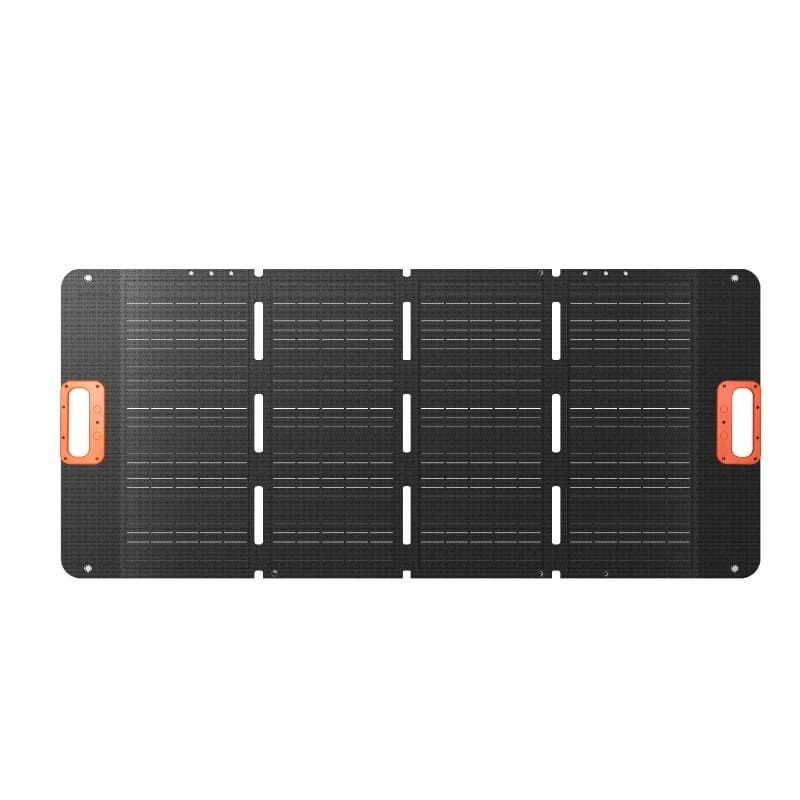
They refer to the maximum nominal output of the solar roof assemblies, not the power available at
each USB socket. The 52W roof is listed at 18.24V/2.9A (Voc 21.76V) and weighs 1.2 kg. The 120W roof
comprises twelve nominal 10W mini-panels and weighs 2.1 kg. Obtain array-level voltage/current
confirmation for the 120W version before integration with third-party systems.
-
What limits apply to the tent junction box’s DC7909 input?
Both brochures list an 18–25V nominal input range through DC7909, a 2 m DC7909 cable and an
absolute warning that the input open-circuit voltage must not exceed 25V. The note also mentions
operation down to 12V for USB fast charging. The 25V limit is critical if connecting an alternative panel;
connector matching alone does not establish electrical compatibility.
-
Can the tent charge multiple phones and run a 50W load at the same time?
Each tent junction box lists USB-A 1/2 (QC3.0, up to 18W each), USB-C (PD3.0, up to 18W) and DC5521
(12–18V, maximum 50W). The datasheet does not state a tested total simultaneous-output limit. The
individual maxima must not be added together as guaranteed available output. High-load
combinations require sunlight and junction-box thermal/overload testing.