



_WH_800x600px.webp)


Heavy Power Banks vs 37W Foldable Solar Panels for Outdoors
Release time: 2026-05-26
Stepping completely off the grid no longer implies disconnecting from essential safety tools, navigation hardware, or remote workstations. Modern adventurers and professionals rely heavily on power-hungry GPS devices, smartphones, and action cameras to navigate and document their journeys.
However, keeping these vital electronics functional in the deep wilderness introduces a massive logistical headache. You are constantly forced to choose between the anxiety of a dying battery or the physical agony of carrying excessive dead weight on your back.
This dilemma has sparked a necessary revolution in outdoor gear design. We are witnessing a rapid transition away from static, heavy lithium battery banks toward dynamic, infinite energy generation systems that offer true self-sufficiency.
The Logistical Nightmare of Static Lithium Batteries
For years, the default solution for off-grid power was simply packing high-capacity lithium-ion or lithium-polymer power banks. While these devices are perfectly adequate for a weekend city trip, they present severe diminishing returns when deployed in serious backcountry environments or on extended multi-day expeditions.
The primary issue is the strict correlation between energy capacity and physical mass. To double your backup power, you must double the weight you carry. A high-quality 20,000mAh power bank can easily weigh a full pound (approx. 450g), yet it will only recharge a modern flagship smartphone four to five times. Once that finite chemical energy is depleted, the power bank ceases to be an asset and instantly becomes a heavy, useless brick dragging down your hiking pace.
Furthermore, traditional lithium batteries suffer from significant voltage drops in extreme weather. When exposed to freezing alpine temperatures, a standard power bank can lose up to 40% of its effective capacity, leaving you stranded without emergency communication just when you need it most.
Engineering the Ultimate A4-Sized Solar Solution
To break free from the limitations of finite chemical batteries, gear manufacturers have pushed the boundaries of photovoltaic technology. By integrating highly efficient monocrystalline solar cells into flexible, ruggedized fabrics, they have created a new category of gear: ultra-light portable energy storage.
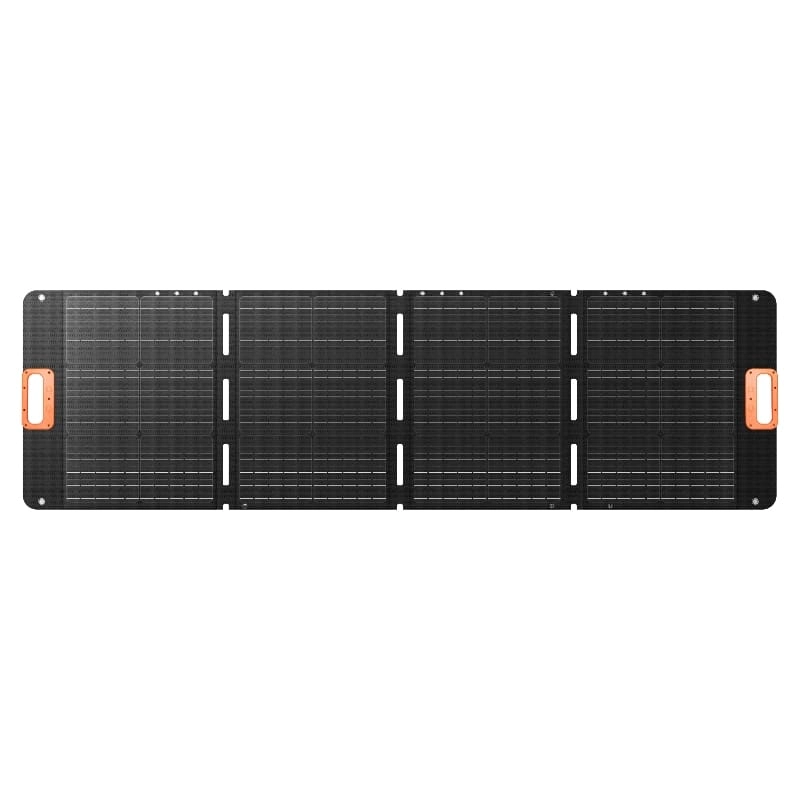
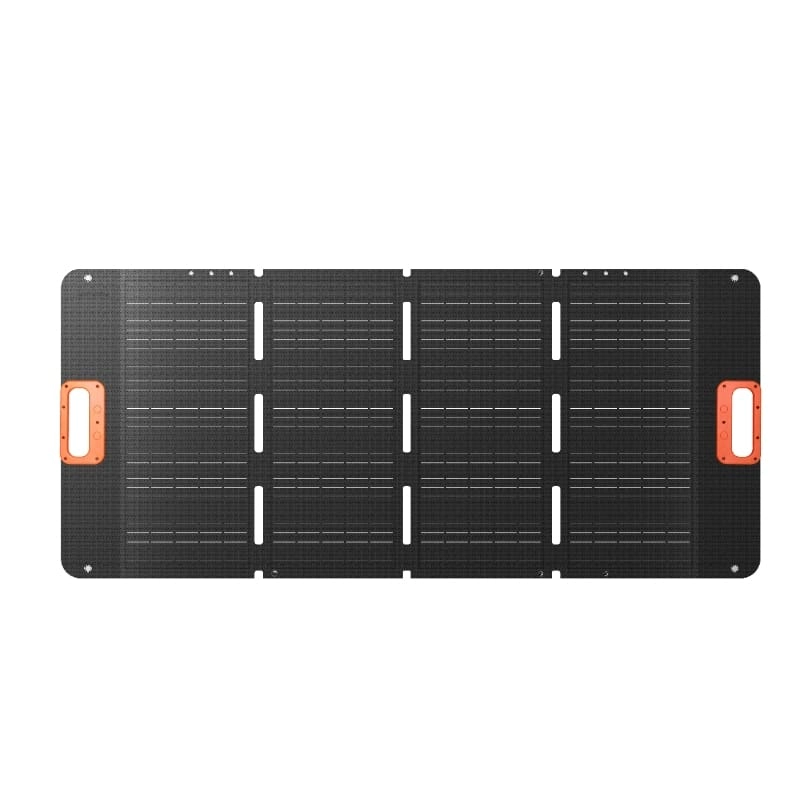
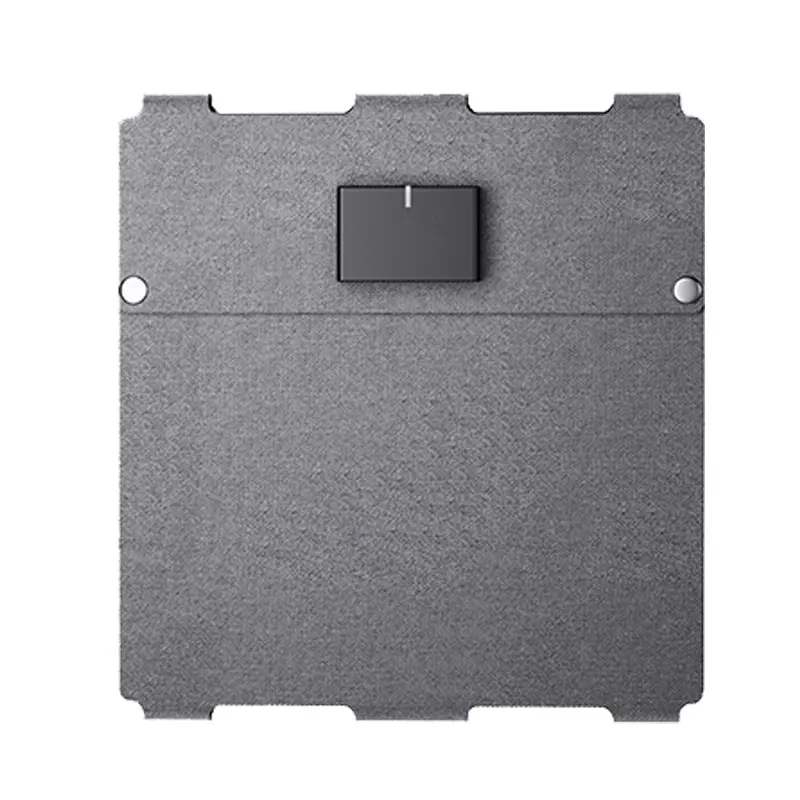
The engineering marvel of this specific Grunsolar module lies in its radical reduction of physical footprint without sacrificing wattage. When collapsed, the entire array folds into a compact rectangle measuring just 245 by 258 millimeters—roughly the size of a standard A4 sheet of paper. This flat-pack design allows it to slide effortlessly into the hydration sleeve or laptop compartment of any standard daypack.
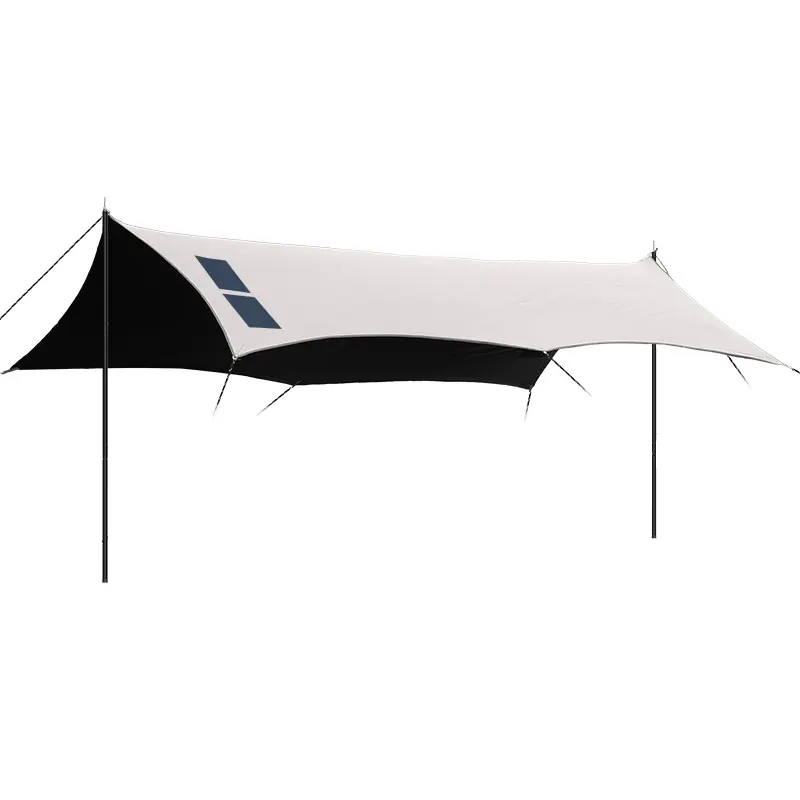
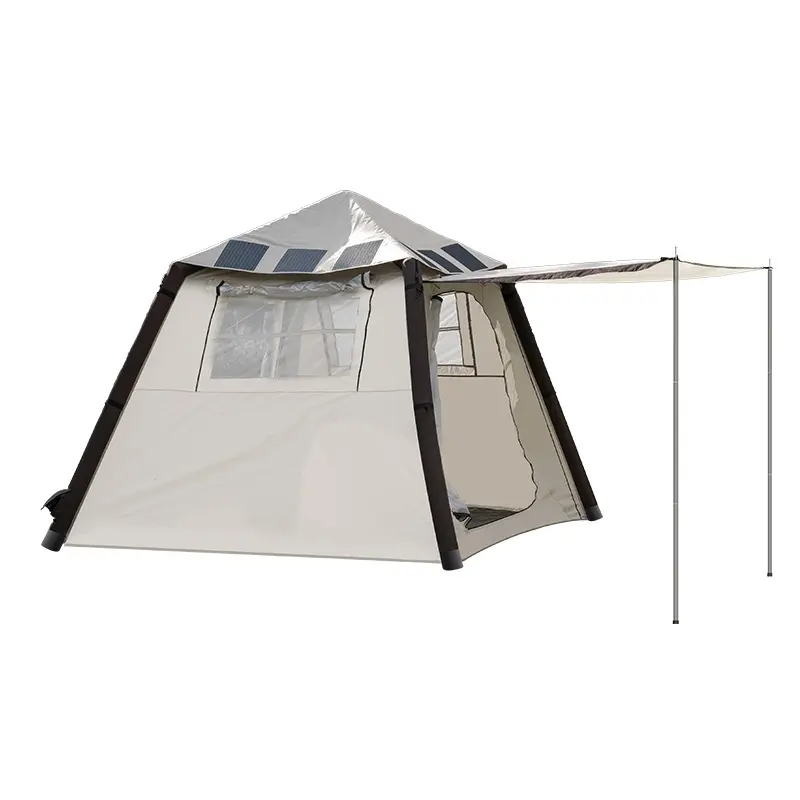
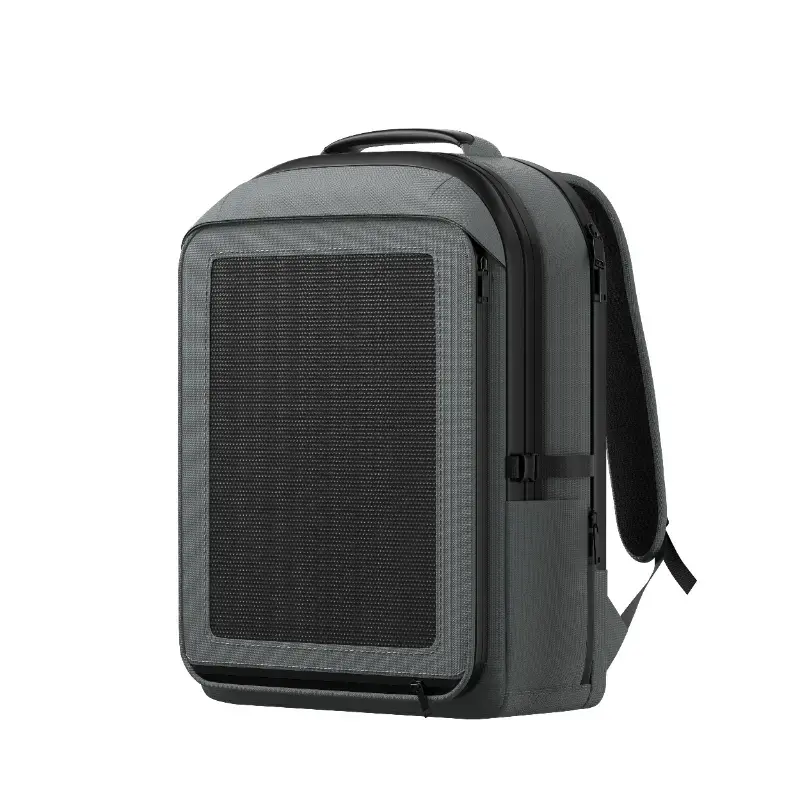
Equally impressive is the aggressive weight reduction. Tipping the scales at a mere 860 grams, this unit dramatically undercuts the weight penalty of carrying multiple high-capacity lithium bricks. When unfolded to its full 1132mm length, it maximizes surface area for optimal solar harvesting. You can drape it over your tent at basecamp or secure it to your backpack via carabiners, allowing the panel to actively harvest sunlight while you are hiking on the trail.
Direct Comparison: Lithium Bricks vs. Active Solar Harvesting
When outfitting yourself for a professional expedition or an off-grid photography shoot, evaluating the long-term utility of your gear is critical. Here is a direct technical comparison between carrying traditional static power banks and deploying an active foldable solar generator:
| Technical Metric | High-Capacity Lithium Power Bank | 37W Foldable Solar Panel |
| Energy Supply Paradigm | Finite (Strictly limited by internal chemistry) | Infinite (Actively replenishes daily via sunlight) |
| Weight-to-Power Ratio | Poor (Gets exponentially heavier with capacity) | Excellent (Fixed weight of 860g for limitless power) |
| Form Factor & Packing | Bulky, rigid cylinders or heavy blocks | Folds flat to an ultra-thin A4 paper footprint |
| Extreme Cold Performance | Severe capacity loss and voltage drops | Cells generate power efficiently in freezing temps |
| Ideal Expedition Length | Short-term trips (1 to 3 days maximum) | Long-term expeditions (Weeks or months off-grid) |
Delivering True Multi-Device Fast Charging Off-Grid
Generating raw solar power is only half of the engineering challenge; transferring that erratic solar energy efficiently and safely into sensitive digital devices requires advanced power delivery electronics. Many older, cheaper solar chargers fail here, offering only a frustratingly slow trickle charge that cannot even keep up with a smartphone’s standby battery drain.
This premium array solves the power delivery bottleneck by integrating a smart charge controller capable of 37W dual-port fast charging. It features both a legacy USB-A port and a modern Type-C port, delivering a robust 18W MAX output to compatible devices.
This true plug-and-play architecture is a game-changer for digital nomads and content creators. It provides reliable Portable Power for Photography, ensuring you have the necessary wattage to charge camera and drone in the wilderness simultaneously. You can rapidly juice up a drone battery via the Type-C PD (Power Delivery) protocol while simultaneously topping off a GPS unit or headlamp on the USB-A port.
Engineered for Harsh Backcountry Environments
Consumer-grade electronics do not survive long in the wild. A sudden mountain downpour, abrasive desert sand, and the constant physical friction inside a backpack will quickly delaminate and destroy cheap, poorly made solar arrays.
To ensure survival in hostile environments, this 37W panel utilizes advanced polymer encapsulation techniques. The solar cells are protected by industrial-grade, scratch-resistant laminates that prevent micro-cracks during frequent folding and unfolding. Furthermore, the robust fabric chassis is highly resistant to dust and water ingress. While it is not designed for underwater submersion, it easily repels heavy morning dew, unexpected rain showers, and thick trail mud, guaranteeing that your power source remains highly functional regardless of how aggressive the weather becomes.
Frequently Asked Questions (FAQ)
Will this 37W solar panel charge my laptop or tablet?
While optimized for smaller digital devices like smartphones, drones, and action cameras, the 18W Type-C port can provide a slow, steady maintenance charge to modern tablets and ultra-light laptops that support low-wattage USB-C Power Delivery (PD). For best results, charge these larger devices while they are powered off.
How does cloudy or overcast weather affect the charging speed?
Modern high-efficiency monocrystalline cells capture a broad spectrum of light, meaning they will still generate a trickle charge during overcast conditions. However, to achieve the maximum 18W fast charging output per port, the panel requires direct, unobstructed sunlight hitting the cells at an optimal angle.
Do I need to purchase a separate battery station to use this solar panel?
No. The integrated smart controller allows for a direct plug-and-play connection from the panel straight into your smartphone or drone. However, to maximize your energy harvest, it is highly recommended to pair the panel with a small, lightweight power bank. This allows you to store the solar energy generated during the day and use it to charge your devices safely inside your tent at night.