

What Can a 30W Solar Backpack Charge?
Release time: 2026-11-11
Table of Contents
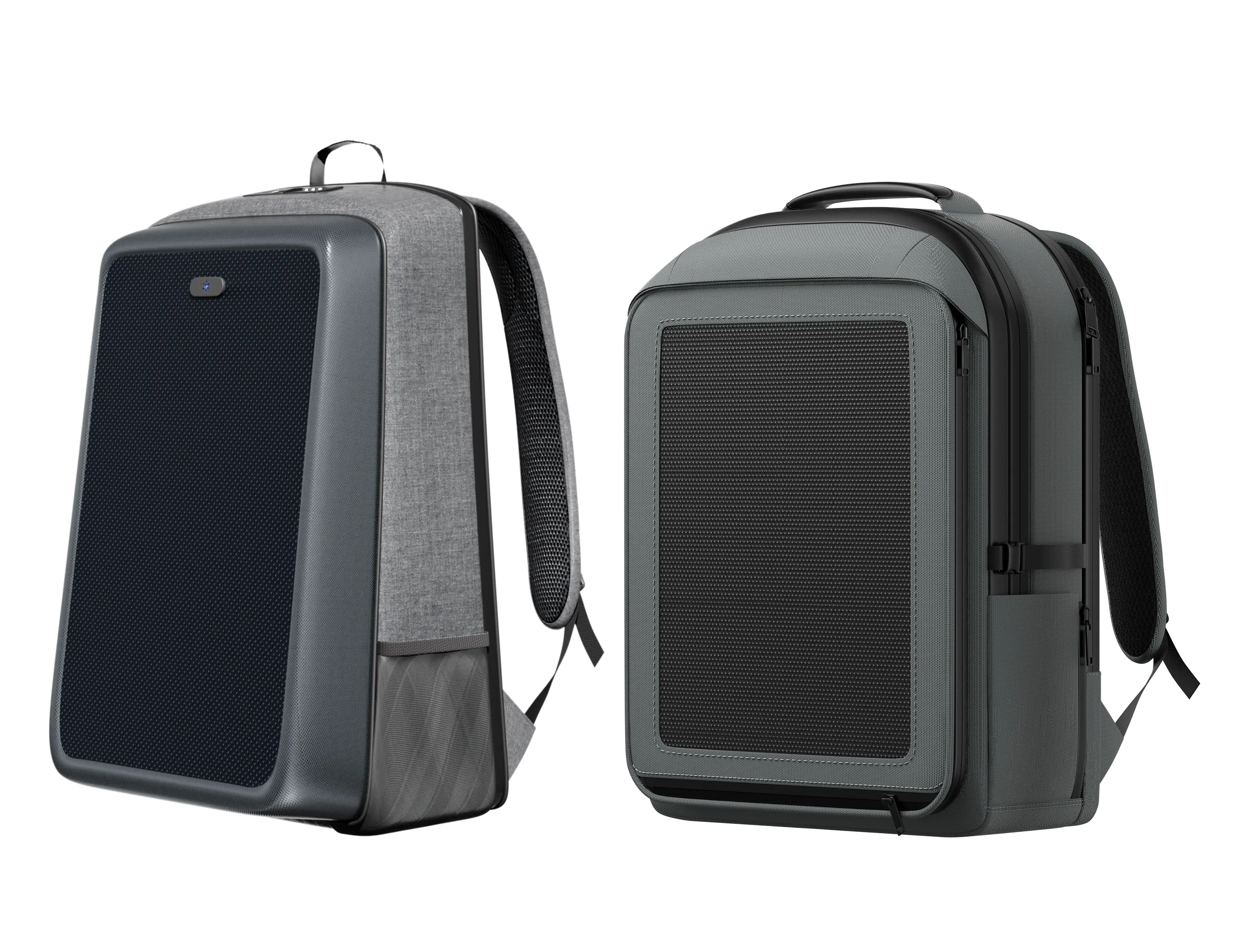
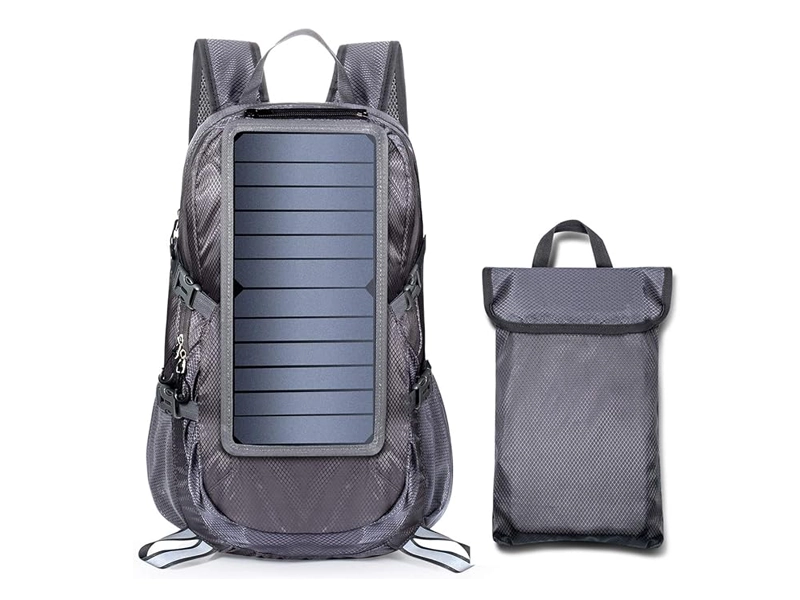
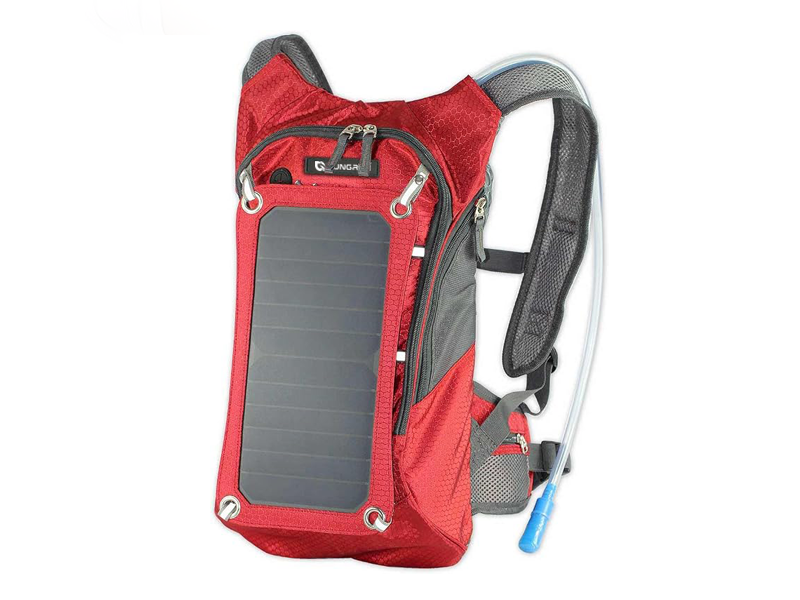
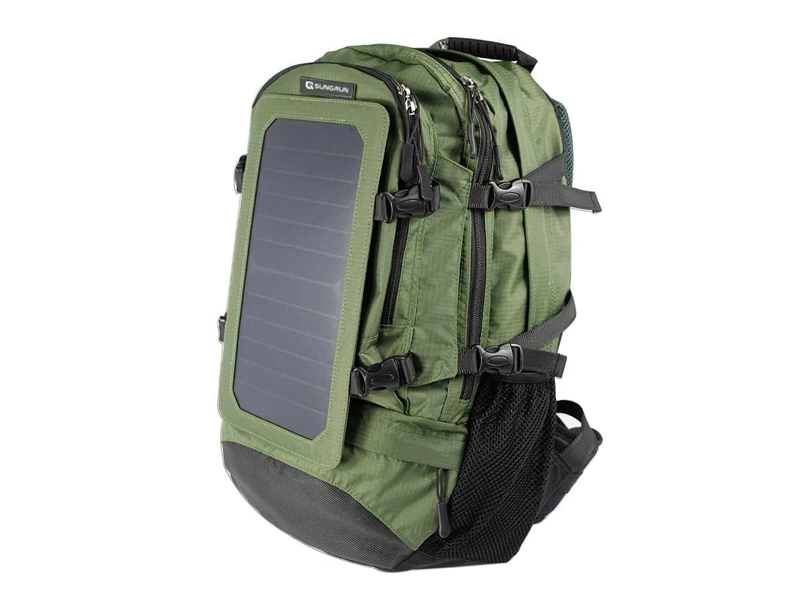
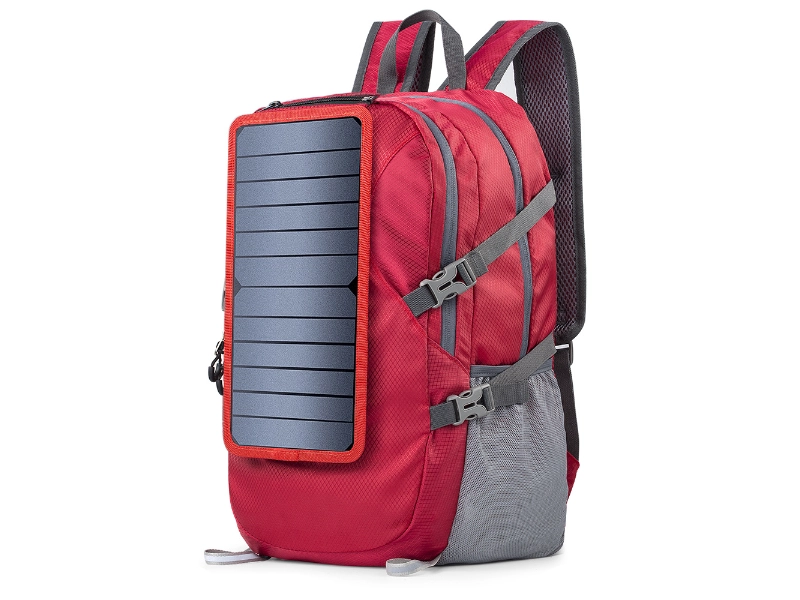
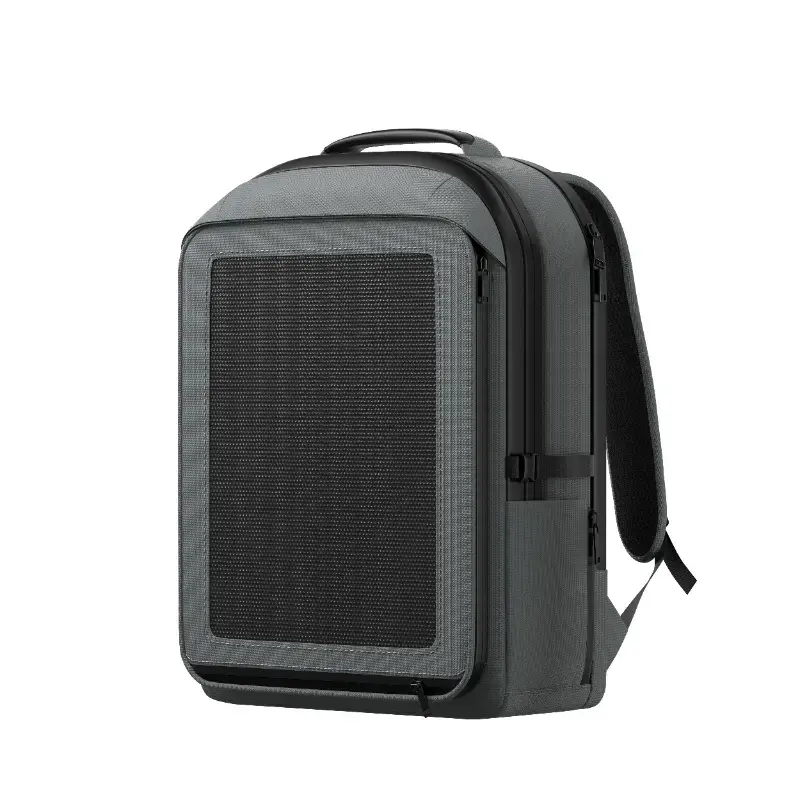
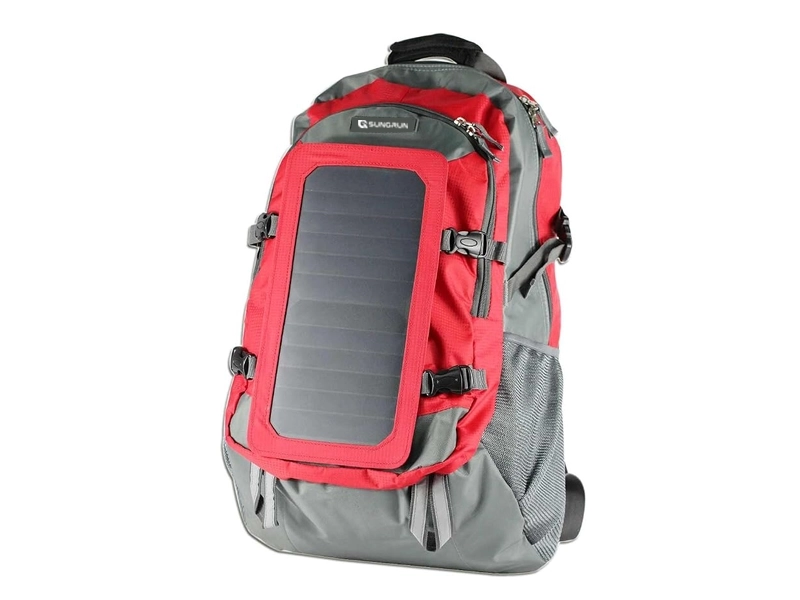
A 30W solar backpack can provide supplementary charging for compatible smartphones and other small electronic devices during outdoor activities. Sungrun’s current 30W model combines a 30L backpack with two integrated 15W solar panels. The panels are built into the backpack and cannot be detached, while the product does not include a built-in energy-storage battery.
This configuration is designed for outdoor users who want to carry their everyday essentials while making use of available sunlight. For Australian camping, hiking, and bushwalking trips, it can offer an additional way to charge compatible devices when conventional power access is limited.
However, the 30W rating represents the panel system’s rated power, not a guarantee of continuous 30W output in every outdoor environment. Understanding the product configuration and its charging limitations is essential before choosing a solar backpack.
What Is Included in Sungrun’s 30W Solar Backpack?
Sungrun’s current reference model combines solar charging functionality with a practical 30L carrying capacity.
| Product specification | Configuration |
| Rated solar power | 30W |
| Solar panel configuration | Two integrated 15W solar panels |
| Panel installation | Integrated into the backpack; non-removable |
| Backpack capacity | 30L |
| Built-in energy-storage battery | Not included |
| Intended use | Supplementary charging for compatible smartphones and small electronic devices |
The two 15W panels form the backpack’s 30W-rated solar configuration. Unlike a detachable portable solar panel, this design keeps the charging components integrated with the backpack.
The 30L storage capacity also provides room for everyday belongings and outdoor essentials. This makes the product relevant to users who want to combine carrying functionality with access to solar charging.
For distributors and retailers, these specifications provide a clear starting point for product evaluation. Buyers should refer to the confirmed product datasheet for the complete electrical output specifications and connector compatibility.
What Devices Can a 30W Solar Backpack Charge?
The backpack is intended for compatible small electronic devices. Actual charging performance depends on the available solar output and the input requirements of the connected device.
Smartphones
Smartphones are a primary use case for the 30W solar backpack. Users can connect a compatible phone through the product’s supported charging interface when sufficient sunlight is available.
However, charging performance may change as sunlight intensity and panel orientation vary. A phone may charge more slowly under partial cloud cover or when the backpack is placed in a shaded area.
Small Electronic Accessories
Other compatible small devices may also be suitable for supplementary charging. Examples can include selected Bluetooth accessories, wireless earbuds, and compact electronics.
Compatibility should be checked against the product’s confirmed output voltage, current, connector, and charging protocol. A device should not be assumed compatible simply because it uses a USB connection.
Devices That Require More Power
This 30W model is designed for compatible small devices and is not intended for laptop charging.
Larger electronics often have different power requirements and may require charging specifications beyond the intended application of this backpack. Buyers should avoid treating the rated solar power as a universal device-charging capability.
What Does the 30W Rated Power Mean in Outdoor Conditions?
The 30W rating describes the nominal rated power of the integrated solar panel system under specified test conditions. It does not mean the backpack will continuously produce 30W whenever it is outside.
Actual output depends on several factors:
Sunlight intensity: Direct sunlight generally provides more usable solar energy than overcast or shaded conditions.
Panel orientation: The amount of sunlight reaching the panels changes with their position relative to the sun.
Partial shading: Trees, buildings, clothing, and the user’s body can obstruct sunlight and reduce generation.
Operating temperature: Solar panel performance can change as the panel temperature increases.
Movement and placement: A backpack changes orientation during use. Its solar panels may not consistently face the sun while the user is walking.
For Australian outdoor users, these factors are particularly relevant when moving between open campsites, bushwalking trails, and shaded forest areas. The backpack can collect solar energy when its panels receive suitable sunlight, but users should not expect the rated output under every condition.
Is the Solar Panel Removable? Does the Backpack Include a Battery?
These are two important product details that buyers should understand before purchasing.
Sungrun’s current 30W solar backpack uses two integrated 15W panels. They are built into the backpack and are not designed to be detached.
The product also does not include a built-in energy-storage battery. This means the backpack generates electricity when sufficient sunlight is available but does not store unused solar energy for later use.
If energy storage is required, users need a compatible external device. Compatibility must be checked according to the backpack’s electrical output and the external device’s input requirements.
The distinction between solar generation and energy storage should be clearly explained in product listings. A solar backpack without an internal battery should not be presented as a product that independently stores energy for charging devices after sunset.
Where Can a 30W Solar Backpack Be Used in Australia?
The product’s integrated design makes it relevant to several outdoor activities, although charging performance will depend on the actual environment.
Camping at Open Campsites
Open campsites may provide better sunlight exposure than heavily shaded locations. When the backpack is positioned so that its panels receive direct sunlight, it can provide an additional charging option for compatible small devices.
Users should still keep the panels unobstructed and avoid assuming that the product will maintain its rated output throughout the day.
Hiking and Bushwalking
During hiking and bushwalking, the backpack serves primarily as a carrying product. Solar charging can provide supplementary power when the panels receive sufficient sunlight.
On shaded trails, under dense tree cover, or when the backpack is facing away from the sun, available output may be reduced. Users should plan their charging needs accordingly.
Day Trips and Outdoor Travel
For day trips and outdoor travel, a 30L backpack provides carrying space for personal belongings, while the integrated solar panels offer an additional charging function.
This combination may appeal to travelers who want a multifunctional backpack without carrying a separate portable solar panel.
What Should Buyers Check Before Choosing a Solar Charging Backpack?
For individual buyers, the most important considerations are charging compatibility, carrying capacity, panel configuration, and intended outdoor use.
For Australian distributors, additional attention should be given to product specifications, documentation, and the accuracy of retail product descriptions.
Before selecting a model, confirm:
Rated solar power and panel configuration.
Whether the panels are integrated or removable.
Backpack capacity, dimensions, and weight.
Available output ports and electrical specifications.
Whether an internal battery is included.
Compatible device categories and charging limitations.
Product images and documentation for marketing use.
These details help prevent misunderstandings about what the product can and cannot do.
Frequently Asked Questions
Can a 30W solar backpack charge a smartphone?
Yes, Sungrun’s 30W model is designed for supplementary charging of compatible smartphones and small electronic devices. Actual charging performance depends on sunlight conditions and device compatibility.
Does Sungrun’s 30W solar backpack include two solar panels?
Yes. The product uses two integrated 15W solar panels, providing a combined rated power of 30W.
Can the solar panels be removed from the backpack?
No. Both 15W panels are integrated into the backpack and are not detachable.
Does the 30W solar backpack include a built-in battery?
No. The current model does not include a built-in energy-storage battery. It generates electricity under suitable sunlight conditions but does not independently store energy.
Can this 30W solar backpack charge a laptop?
No. This model is designed for compatible small devices and is not intended for laptop charging.
Explore Sungrun’s 30W Solar Backpack
Looking for a solar charging backpack for outdoor retail, distribution, or a private-label product range?
Explore the Sungrun 30W solar backpack to review its 30L capacity, integrated dual-panel configuration, and intended charging applications.
View the 30W solar backpack specifications to learn more about the product configuration.For business enquiries, request distributor or OEM information from Sungrun to discuss product sourcing and project requirements.