
_WH_800x600px.webp)


What Is BIPV? BIPV vs. Rooftop Solar Explained
Release time: 2026-09-04
Table of Contents
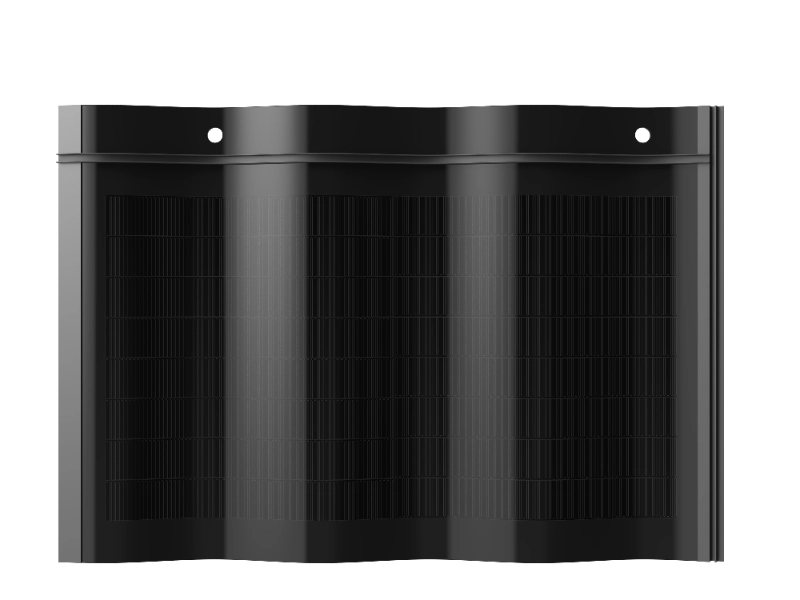
Solar panels are no longer limited to rooftops. As buildings place greater emphasis on energy efficiency, façade design, and renewable energy, photovoltaic technology is increasingly being incorporated directly into the building envelope. This approach is known as Building-Integrated Photovoltaics, or BIPV.
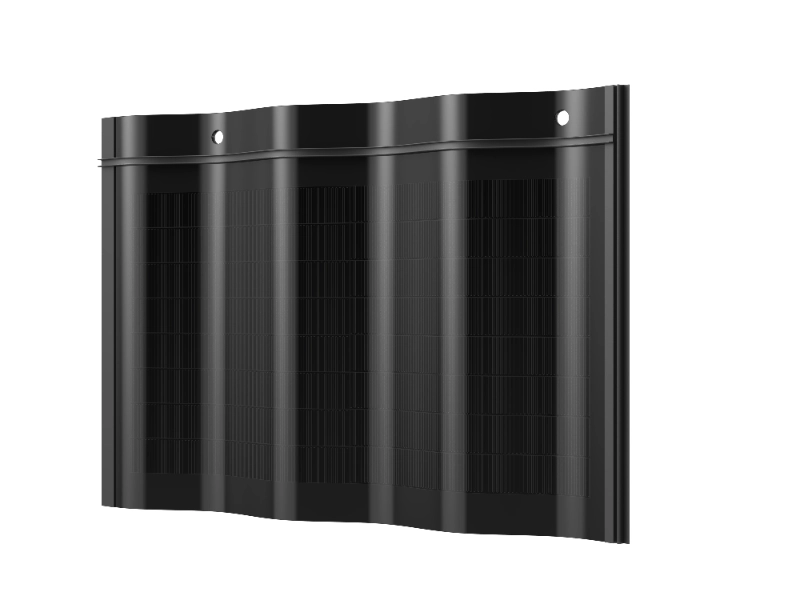
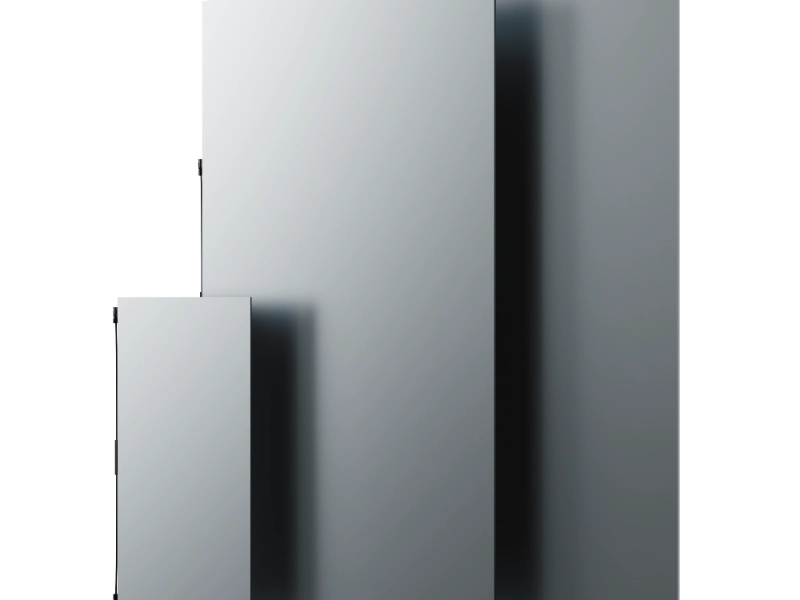
Grunsolar is a new energy company focused on innovation, sustainability, and global market development. Its BIPV products are designed for architectural applications where solar generation needs to work together with the appearance and functional requirements of a building.
But what exactly makes BIPV different from conventional rooftop solar? More importantly, when does it make sense to use BIPV instead of, or together with, rooftop photovoltaic systems?
What Is BIPV?
BIPV stands for Building-Integrated Photovoltaics. The basic idea is straightforward: photovoltaic technology is integrated into a building component instead of being treated as an additional system installed after the building is completed.
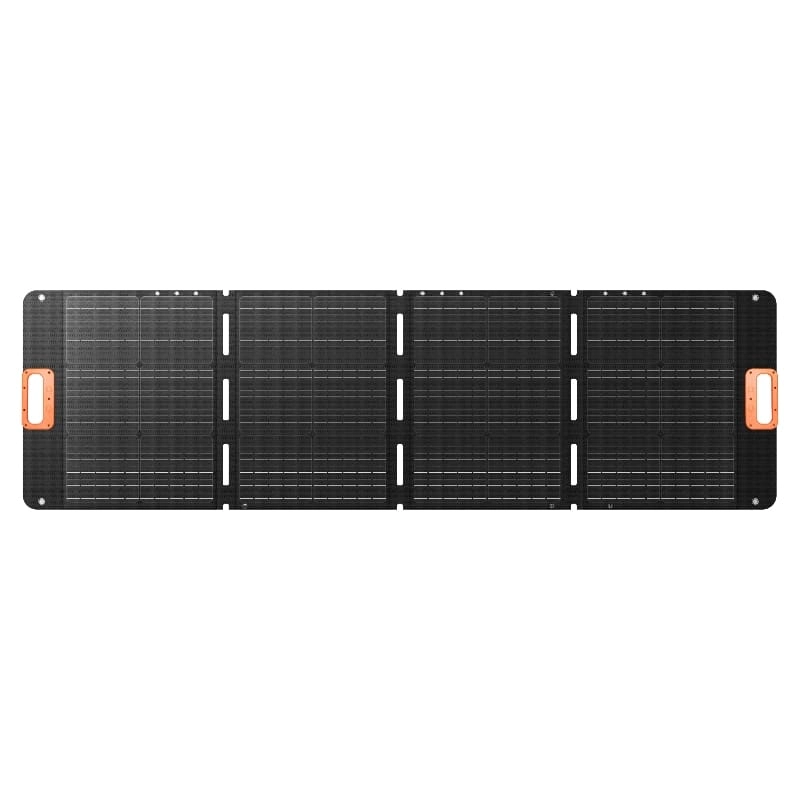
A conventional solar panel is normally mounted on a roof, ground structure, or other supporting frame. Its primary function is to generate electricity.
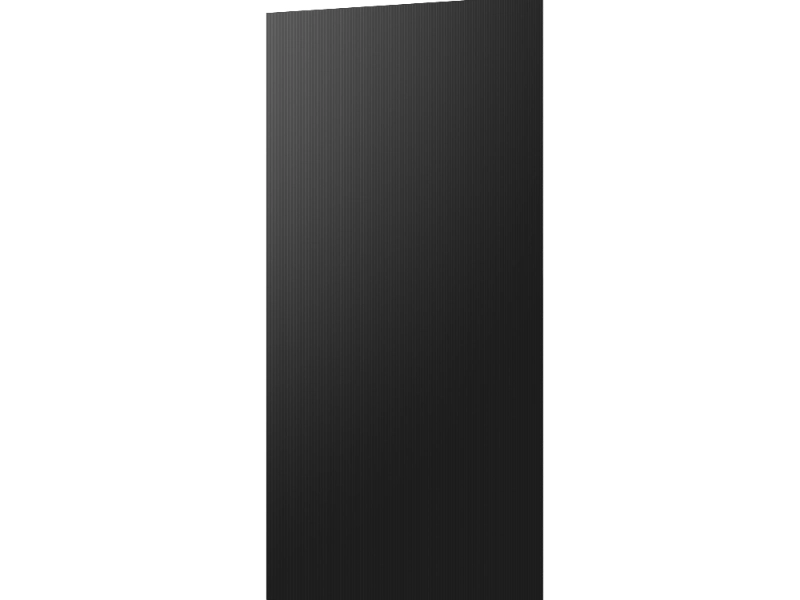
BIPV products have a broader role. Depending on the design, they can form part of a façade, curtain wall, skylight, partition, or other architectural surface while also generating electricity.
This means BIPV needs to satisfy two sets of requirements at the same time. It must perform as a photovoltaic product, but it also needs to work as part of the building in terms of appearance, dimensions, material structure, light transmission, and installation.
That distinction is particularly important for projects where the façade is an important part of the architectural design.
Grunsolar BIPV Products at a Glance
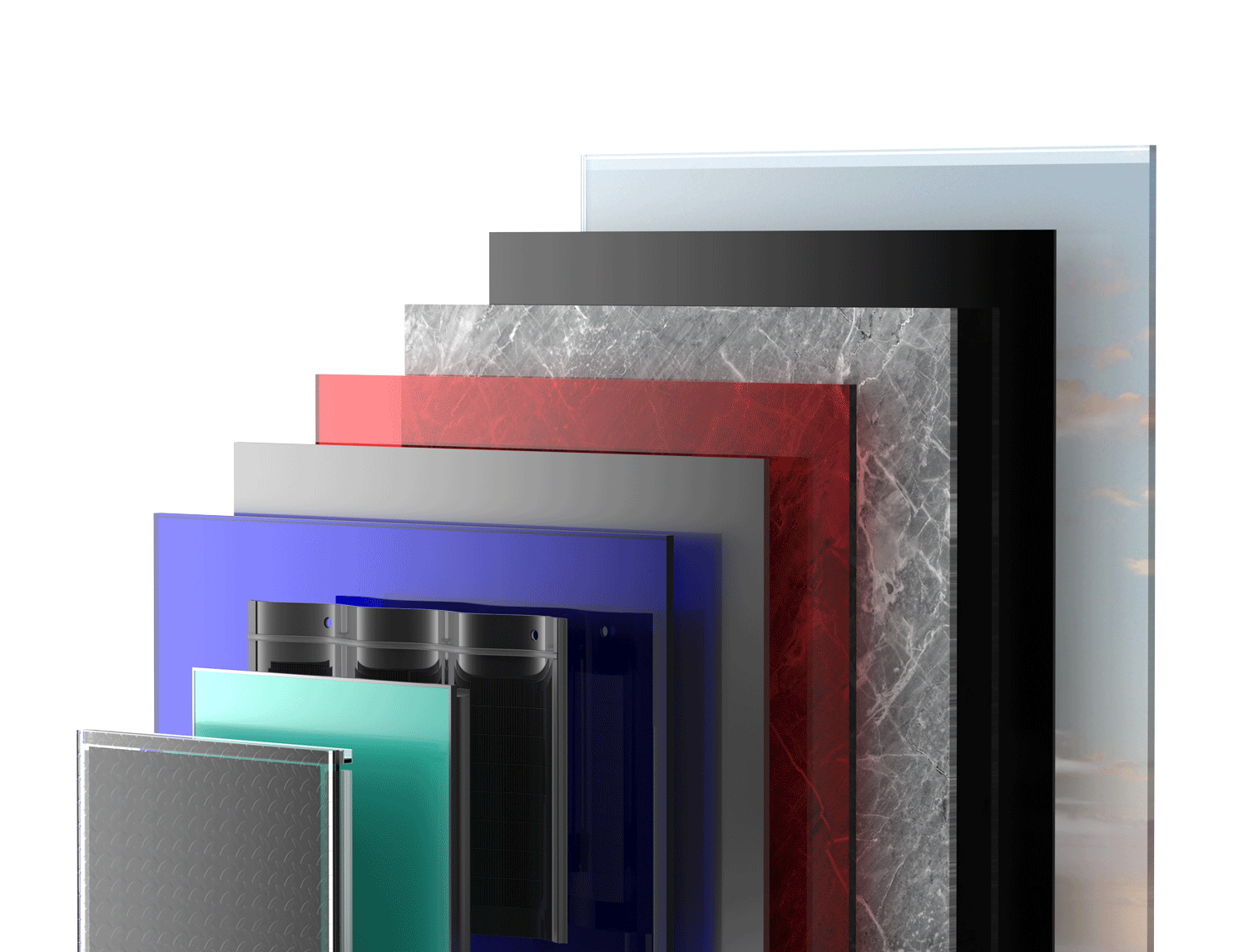
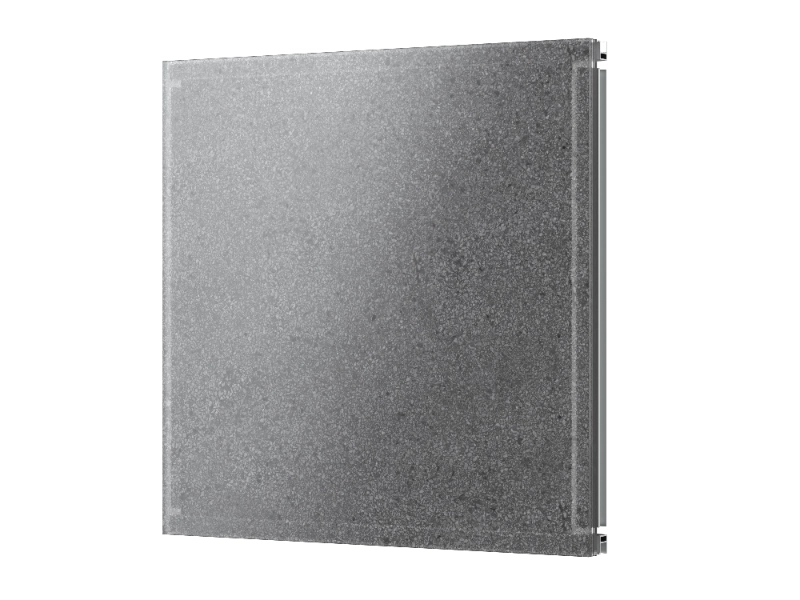
The BIPV range is focused on photovoltaic products for building façades and other architectural applications. The product configurations can be adjusted according to project requirements, making them different from standard rooftop modules with fixed dimensions and appearances.
| Product Feature | BIPV Product Characteristics |
| Main application | Building façades, curtain walls and architectural surfaces |
| Module structure | Laminated glass photovoltaic construction |
| Glass | Tempered glass configurations |
| Light transmission | Options including 20%, 40% and 50% on selected configurations |
| Power range | Approximately 63W to 480W across listed configurations |
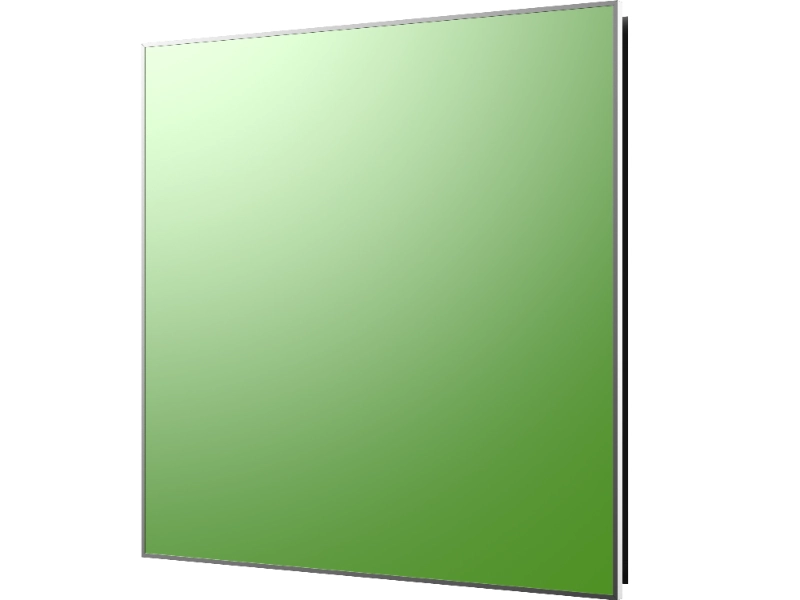
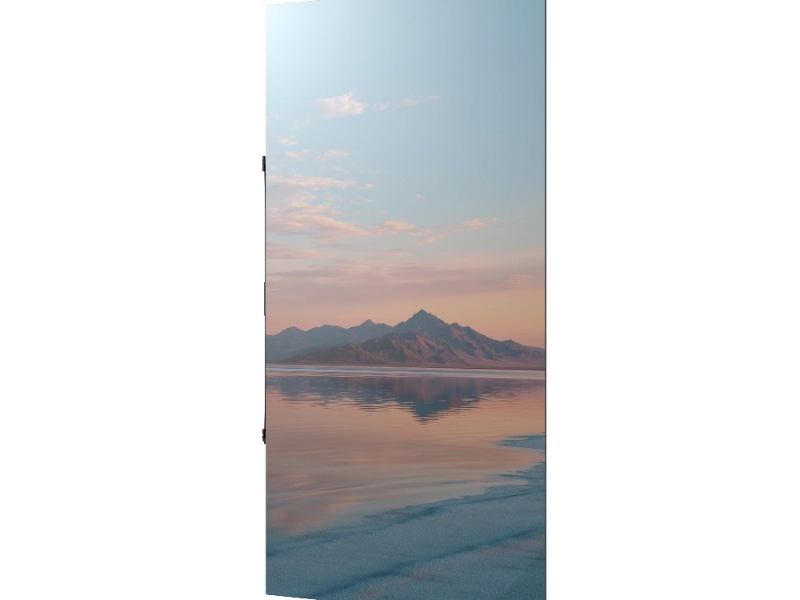
| Design options | Different patterns, colors and transparent or semi-transparent designs |
| Customization | Dimensions, patterns, light transmission and laminated structure |
| Typical applications | Façades, skylights, partitions and other architectural areas |
These characteristics give architects and project developers more flexibility when photovoltaic generation needs to be incorporated into the building design rather than simply placed on top of it.
BIPV vs. Rooftop Solar: What Is the Difference?
The main difference between BIPV and rooftop solar is not simply the type of photovoltaic cell used. It is the way the photovoltaic system relates to the building.
Rooftop solar is generally an independent energy-generation system installed on an existing roof. The roof continues to perform its original function, while the solar modules are mounted above it.
BIPV, by contrast, can become part of the building envelope itself.
| Comparison | BIPV | Rooftop Solar |
| Position | Façades, curtain walls, skylights, roofs and other building elements | Mainly rooftops |
| Relationship with building | Integrated into the building design | Usually installed on top of an existing structure |
| Architectural function | Can also serve as part of the building envelope | Primarily used for power generation |
| Appearance | Can be customized for architectural requirements | Usually follows standard module designs |
| Transparency | Semi-transparent options are available for some applications | Generally opaque |
| Design flexibility | High | More limited |
| Suitable projects | New buildings, façade renovation and design-focused projects | Buildings with suitable roof area |
| Installation considerations | Requires coordination with building structure and façade system | Mainly depends on roof structure and mounting system |
Neither option is automatically better. The appropriate choice depends on the building, available installation area, energy target, architectural requirements, and project budget.
Why Choose BIPV solar panels?
The main advantage of BIPV solar panels is that they can make use of building surfaces that would otherwise have no photovoltaic function.
For a low-rise building with a large, unobstructed roof, conventional rooftop solar can be very effective. However, this approach becomes less attractive when roof space is limited or when a project has a large vertical façade.
BIPV provides another option by turning suitable parts of the building envelope into electricity-generating surfaces.
Better Use of Façade Area
High-rise and commercial buildings often have much more façade area than usable roof area. Installing photovoltaic products on appropriate façade surfaces can therefore increase the total area available for solar generation.
The actual output will still depend on orientation, shading, solar radiation, installation angle, and other project conditions. A façade should not be considered equivalent to a well-oriented rooftop simply because it provides additional surface area.
Greater Design Flexibility
A major consideration for BIPV is appearance. Solar modules do not necessarily have to look like conventional rooftop panels.
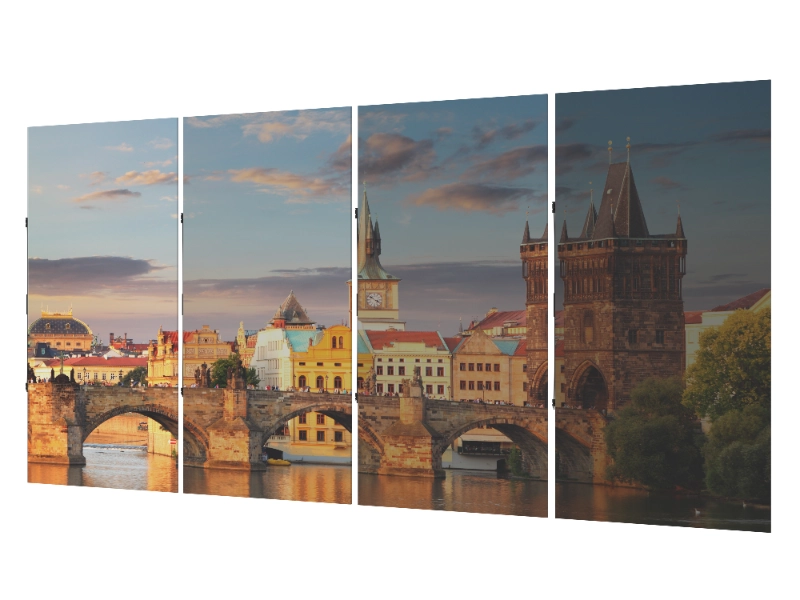
BIPV products can be designed with different dimensions, patterns, colors, and transparency levels. This makes it possible to coordinate photovoltaic elements with the overall architectural design.
For buildings where the façade is highly visible, this can be an important advantage.
Combining Daylight and Solar Generation
Some BIPV applications require a balance between electricity generation and natural light.
Semi-transparent photovoltaic products can allow part of the sunlight to pass through while using another portion for electricity generation. Grunsolar’s listed BIPV configurations include different light-transmission options, including 20%, 40%, and 50% on selected products.
The appropriate transmission level depends on the building’s purpose, façade orientation, indoor lighting requirements, and desired visual effect.
What Are BIPV facade panels Used For?
BIPV facade panels are intended to integrate photovoltaic generation into exterior building surfaces. They are particularly relevant when the façade itself needs to contribute to the building’s energy performance.
Typical applications include:
- Commercial building façades
- Office buildings
- Curtain walls
- Public and cultural buildings
- Semi-transparent architectural surfaces
- Skylights
- Building partitions
- Decorative façade areas
For these applications, electrical performance is only one part of product selection. The panel’s dimensions, glass structure, transparency, pattern, appearance, and compatibility with the façade system also need to be considered.
This is why BIPV projects usually require closer coordination between photovoltaic suppliers, architects, façade contractors, and structural engineers than a standard rooftop installation.
How Does BIPV Work With Glass?
Glass is an important material in many BIPV applications because it can provide both structural and visual functions.
Laminated glass photovoltaic modules can be designed to meet specific architectural requirements while incorporating photovoltaic cells between or within the glass structure.
The amount and arrangement of active photovoltaic area affect both power output and appearance. Increasing transparency, for example, changes the balance between visible light transmission and the photovoltaic area available for electricity generation.
This creates a design trade-off rather than a single best configuration.
For a façade that requires more daylight, a higher-transmission design may be appropriate. Where electricity generation has greater priority, a lower-transmission configuration may provide a different balance.
The right choice should therefore be made according to the actual building rather than simply selecting the module with the highest rated power.
What Should You Check Before Choosing a BIPV Product?
BIPV requires a broader evaluation than conventional solar panels. Several factors should be considered before placing an order.
1. Electrical Performance
Check rated power, voltage, current, efficiency, and temperature-related performance. These parameters need to match the planned electrical system.
The nominal power of the module should also be evaluated together with its actual installation area. A higher-power module is not necessarily the best choice if its dimensions or design do not suit the building.
2. Dimensions and Shape
Façade systems are rarely designed around one universal panel size.
The BIPV module needs to match the building’s grid, façade structure, joints, and surrounding materials. Custom dimensions can therefore be important, especially for projects with complex architectural layouts.
3. Light Transmission
For transparent or semi-transparent applications, light transmission is a key specification.
Different transmission levels can influence interior daylight, façade appearance, privacy, and photovoltaic output. This parameter should be considered during the architectural design stage rather than after the product has already been selected.
4. Glass and Lamination Structure
The glass structure needs to be appropriate for the intended building application.
For façade projects, factors such as glass configuration, lamination, mechanical requirements, weather exposure, and installation method all need to be evaluated together.
5. Visual Appearance
A BIPV façade is highly visible, so appearance can be just as important as electrical specifications.
Patterns, colors, transparency, cell arrangement, and surface appearance can affect how the finished façade looks from both inside and outside the building.
6. Installation and System Integration
The photovoltaic module is only one part of the project.
The supporting structure, electrical wiring, junctions, waterproofing, drainage, ventilation, and maintenance access should all be considered before installation. Early coordination can prevent problems between the BIPV system and the building’s façade structure.
When Is BIPV a Better Choice Than Rooftop Solar?
BIPV can be particularly suitable in several situations.
Limited roof area:
If the roof cannot accommodate enough photovoltaic modules, suitable façade surfaces can provide additional generation capacity.
Large façade area:
Buildings with extensive façades may have considerable unused surface area that can potentially be used for solar generation.
Strong architectural requirements:
Where conventional solar panels would interfere with the building’s appearance, customized BIPV products can be incorporated more naturally into the design.
New construction:
BIPV is often easier to consider during the early design stage because the photovoltaic system can be coordinated with the building envelope from the beginning.
Need for semi-transparent surfaces:
For skylights, partitions, and certain façade applications, semi-transparent photovoltaic products can provide both daylight and energy generation.
However, rooftop solar remains a practical choice for many buildings. If a project has sufficient roof space and does not require photovoltaic integration into the façade, a conventional rooftop system may be simpler to install and maintain.
Can BIPV and Rooftop Solar Be Used Together?
Yes. BIPV and rooftop solar do not have to be competing technologies.
A building can use conventional photovoltaic modules on the roof while incorporating BIPV into suitable façade areas. This combined approach can make better use of the building’s available surfaces.
For example, the roof can provide a relatively large area for standard photovoltaic modules, while the façade can use BIPV where architectural integration is important.
The final system design should consider the orientation, shading, electrical configuration, installation costs, maintenance requirements, and expected energy production of each area.
BIPV as Part of Building Design
The development of BIPV reflects a change in how solar generation can be considered in architecture.
Traditional rooftop solar treats photovoltaic modules primarily as energy equipment. BIPV takes a broader approach by considering the photovoltaic element as part of the building itself.
This is particularly relevant as architects and developers look for ways to improve building energy performance without treating renewable energy equipment as a separate visual element.
The flexibility of modern BIPV products also makes the technology more adaptable. Different dimensions, patterns, transmission levels, and glass structures allow photovoltaic generation to be incorporated into buildings with different architectural requirements.
For this reason, the most important question is not whether BIPV is universally better than rooftop solar. The more useful question is which parts of a building can generate solar power while still performing their architectural function.
FAQ
1. What is the main difference between BIPV and rooftop solar?
Rooftop solar is normally installed as an additional system on top of a building, while BIPV is designed to become part of the building’s architectural structure or envelope.
2. Are BIPV panels only used on building façades?
No. BIPV can be used in façades, curtain walls, skylights, partitions, roofs, and other suitable building components, depending on the product design.
3. Can BIPV panels be transparent?
Yes. Some BIPV products are designed to be transparent or semi-transparent. Different light-transmission levels can be selected according to the requirements of the application.
4. Can BIPV be customized?
Yes. Depending on the manufacturer and product, customization may include dimensions, shape, patterns, colors, light transmission, and laminated structure.
5. Does BIPV replace rooftop solar?
Not necessarily. BIPV and rooftop solar serve different installation purposes and can also be used together to increase the total photovoltaic capacity of a building.
6. What factors affect BIPV power generation?
Orientation, shading, solar radiation, module specifications, installation position, temperature, and the available photovoltaic area can all affect actual energy production.
Conclusion
BIPV provides a different way to think about solar generation. Instead of limiting photovoltaic systems to rooftops, it allows suitable building surfaces to become part of the energy-generation system.
BIPV solar panels can make use of façade and other architectural areas, while BIPV facade panels provide greater flexibility for projects where appearance, dimensions, transparency, and photovoltaic performance need to be considered together. At the same time, building integrated photovoltaics does not eliminate the value of conventional rooftop solar. In many projects, the two approaches can work together.
With its focus on new energy, sustainability, and global market development, Grunsolar continues to develop photovoltaic products for applications that connect solar generation with modern building design. For each project, the most suitable approach should ultimately be determined by the building structure, architectural requirements, available solar resources, and long-term energy goals.