



_WH_800x600px.webp)


Wired vs Plug-and-Play Residential Energy Storage Systems
Release time: 2026-04-30
Grid instability, aging infrastructure, and soaring electricity prices have fundamentally shifted how homeowners and property developers view energy consumption. Home backup power has rapidly transitioned from a luxury addition to an absolute necessity. Homeowners are increasingly looking for ways to break free from volatile peak-hour utility rates and secure their energy independence.
However, the transition to residential solar independence often hits a massive, frustrating bottleneck: the complex, invasive installation of conventional battery storage. The labor costs, municipal permits, and extensive electrical panel upgrades required for older systems can quickly erode the projected return on investment (ROI).
This friction has sparked a massive technological revolution in the renewable energy sector. Today, the focus is rapidly shifting away from heavily wired, permanent battery setups toward intuitive, high-performance plug-and-play solutions that offer identical power without the logistical nightmares.
The Hidden Bottlenecks of Traditional Wired Battery Systems
While conventional wall-mounted solar batteries have served the early-adopter market well, they come with substantial logistical hurdles that frustrate both international distributors and end-users. Understanding these limitations is crucial for distributors and buyers looking for scalable solutions.
Exorbitant Installation and Labor Costs: Traditional energy storage setups require certified electricians and specialized solar installers to tear into drywall, upgrade the home’s main electrical panels, and run extensive protective conduit. Because skilled electrical labor is expensive worldwide, installation fees often account for up to 30% to 40% of the total project cost.
Lengthy Permitting and Interconnection Delays: Hardwired battery systems are classified as permanent electrical modifications to a property. They trigger strict local building codes and Homeowner Association (HOA) regulations. This requires tedious municipal permit approvals and complex utility interconnection agreements, which can routinely delay a project’s commissioning by weeks or even months.
Inflexible Placement and Wasted Space: Once wired into a home’s electrical grid, these bulky units are permanently fixed. They demand dedicated, reinforced wall space—typically in a garage or utility basement—offering zero flexibility if the homeowner decides to move, renovate, or redesign their spatial layout.
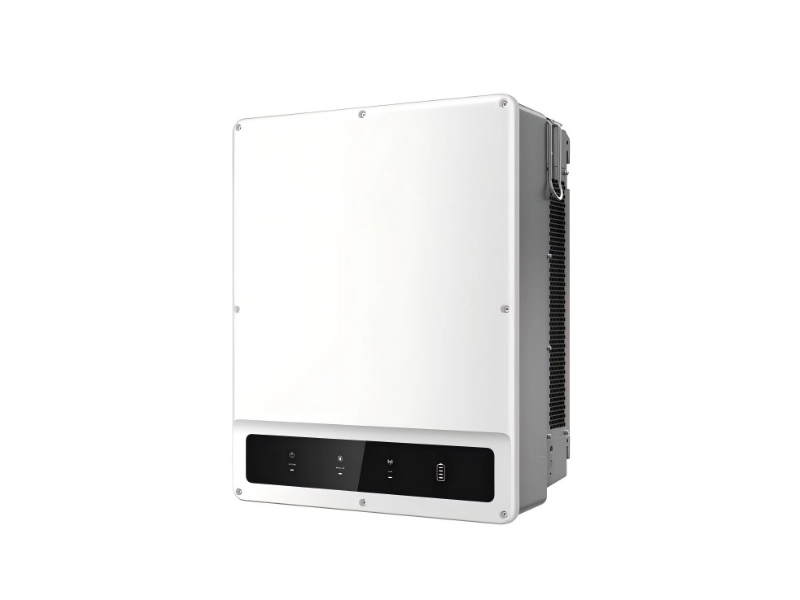
Single-Point-of-Failure Maintenance: Traditional systems often rely on a centralized, wall-mounted string inverter. If that single component experiences a fault, the entire energy storage setup goes offline, leaving the home vulnerable during an outage until an expensive technician arrives.
The Plug-and-Play Revolution: Empowering the Modern Homeowner
To eliminate these profound friction points, the industry is aggressively pivoting to the modular Residential Energy Storage System. This new generation of smart battery technology completely bypasses the need for invasive, expensive electrical overhauls.
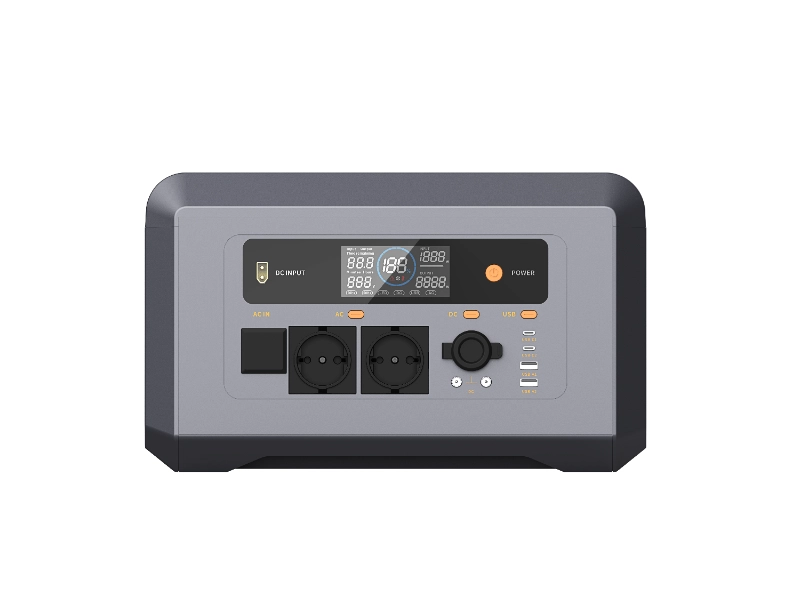
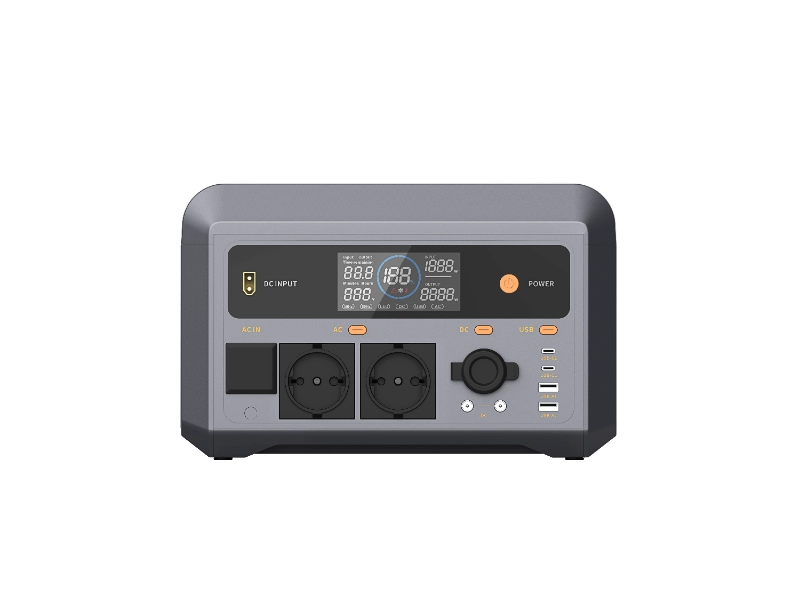
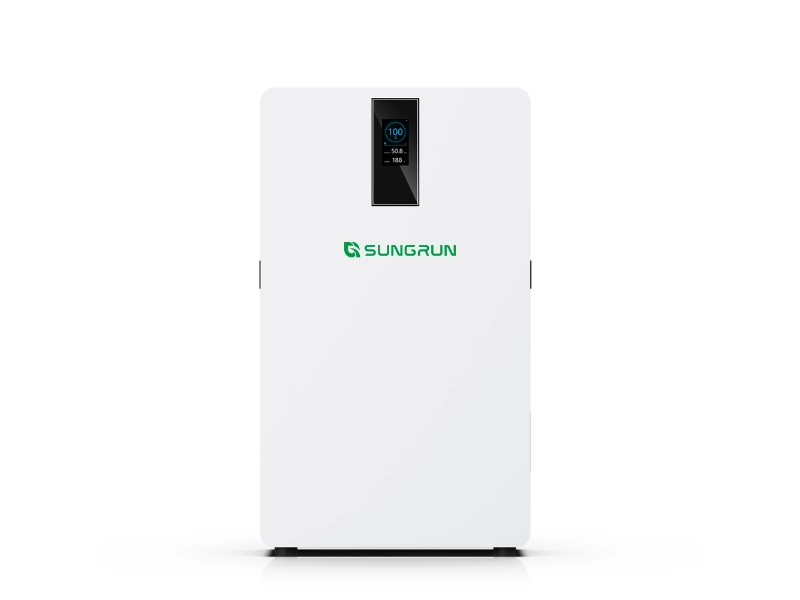
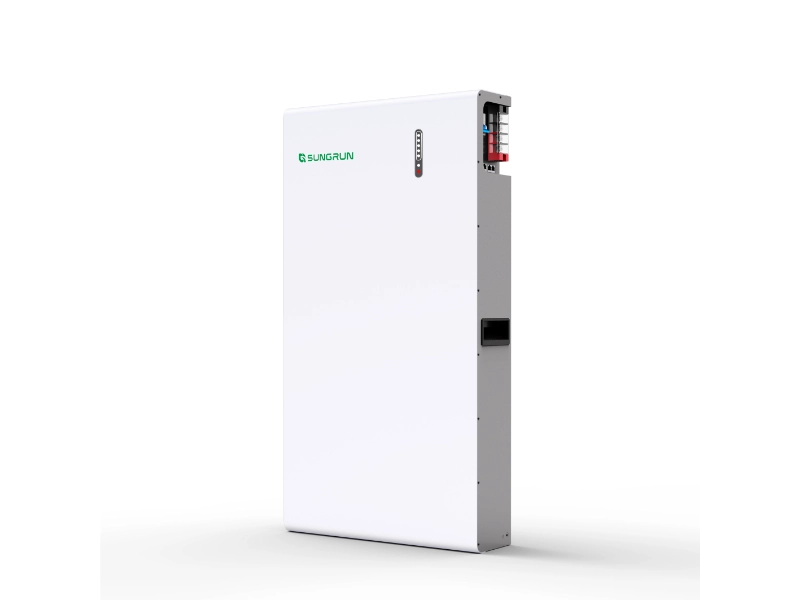
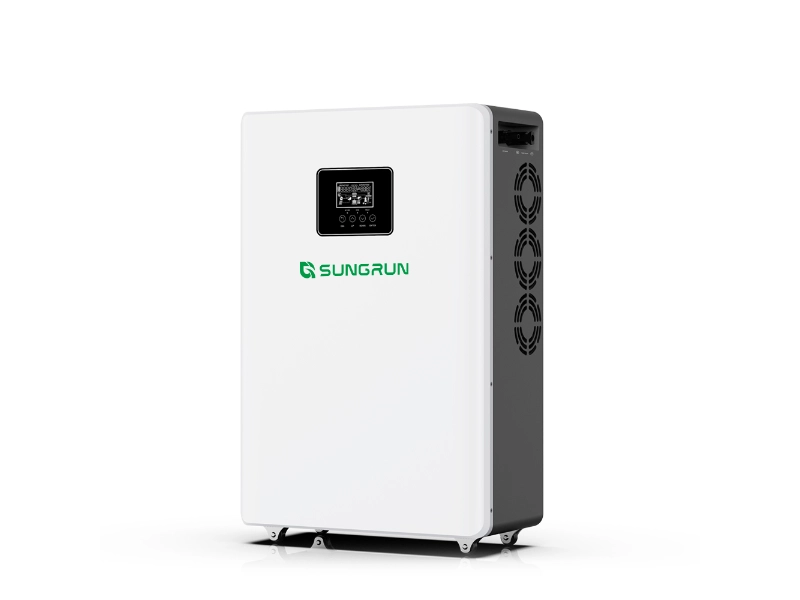
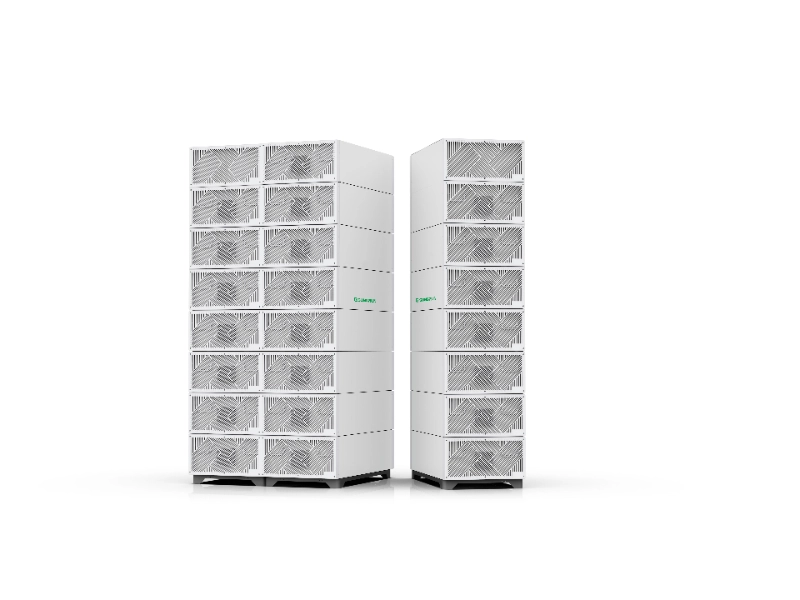
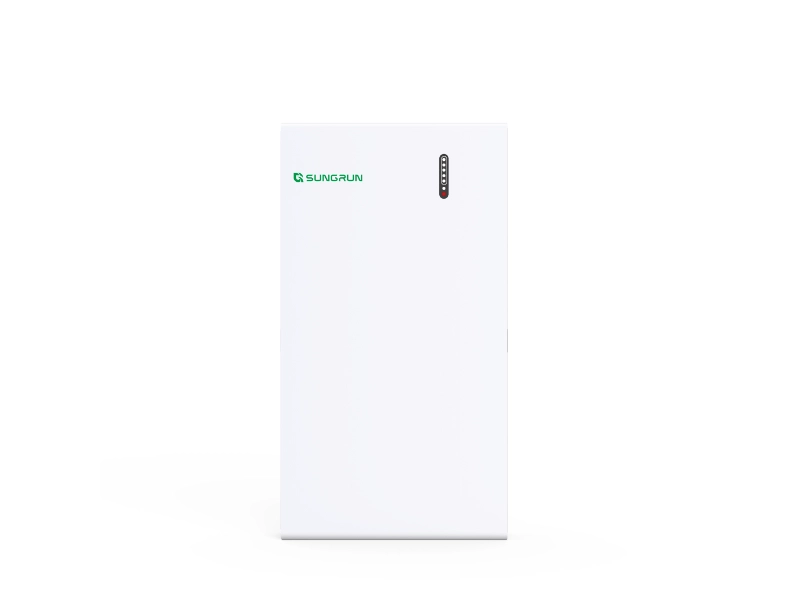
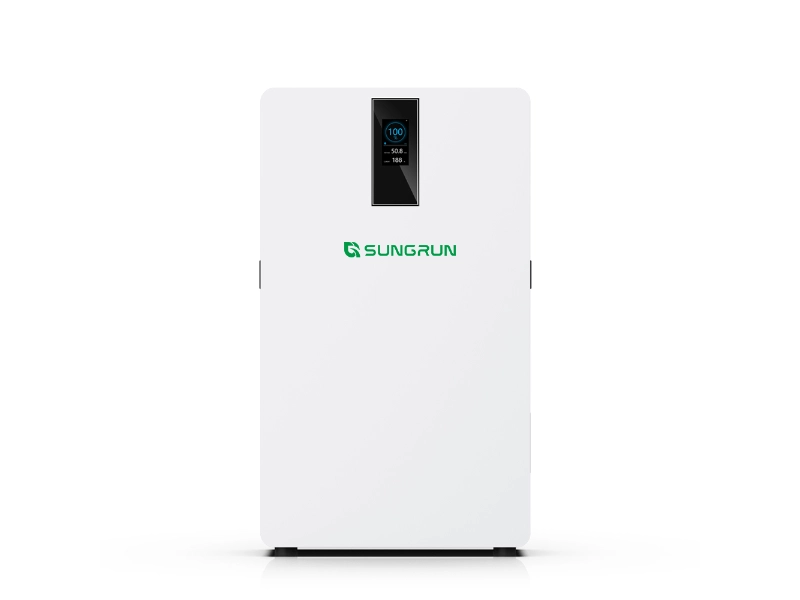
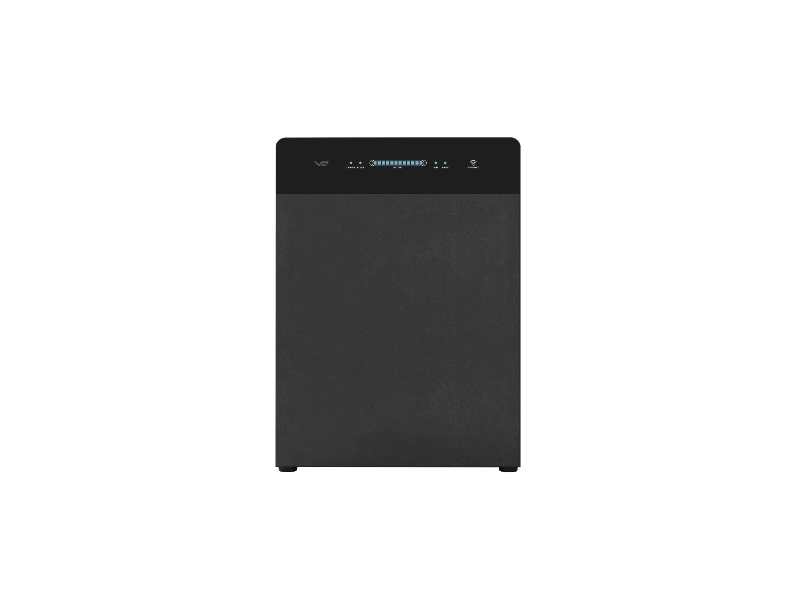
A flagship example of this evolution is the balcony-friendly ESS (Energy Storage System). Engineered specifically for immediate deployment in both residential houses and urban apartments, these units prioritize user autonomy, rapid commissioning, and high-tech safety.
Zero-Wiring Deployment: Homeowners can literally unpack the unit, place it on a balcony, patio, or living room floor, and connect it directly. By eliminating the need for hardwiring and panel upgrades, installation drops from a multi-day construction project to a 30-minute plug-in process, maximizing immediate energy savings.
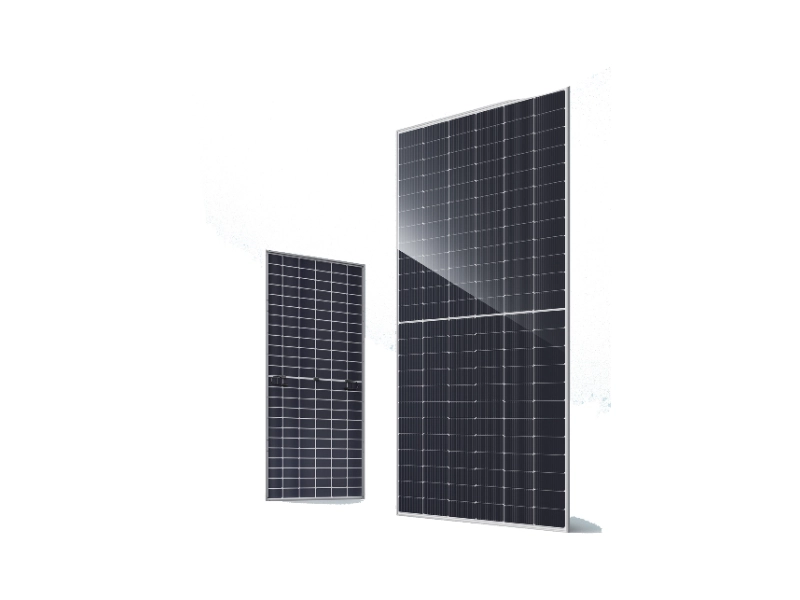
Advanced Dual PV Input Architecture: Leading plug-and-play units feature sophisticated 2kW dual PV (Photovoltaic) input channels. This allows the system to directly capture solar energy from balcony solar panels efficiently, without requiring massive, expensive external inverters mounted on the walls.
Financial Returns: Peak Shaving and Energy Arbitrage
Beyond backup power, the true value of a modern ESS lies in everyday financial returns. Utility companies worldwide are increasingly adopting Time-of-Use (TOU) rate structures, where electricity is incredibly cheap in the middle of the night but exorbitantly expensive during evening peak hours.
A smart modular battery automates “peak shaving” or energy arbitrage. It stores free solar energy during the day (or cheap grid power at night) and discharges that stored power to run the home’s appliances during the expensive evening peak. This intelligent cycling can slash monthly utility bills dramatically, accelerating the payback period of the equipment.
Head-to-Head: Hardwired vs. Plug-and-Play Battery Backup
When evaluating a home energy upgrade or bulk purchasing for distribution, comparing the technical and financial parameters is critical. Here is how a traditional wired setup directly stacks up against a modern, modular 5kWh LiFePO4 home battery.
| Feature / Metric | Traditional Hardwired ESS | Plug-and-Play Balcony ESS |
| Installation Time | 2 to 4 Days of invasive work | Under 30 Minutes |
| Professional Labor Required | Yes (Certified Electricians only) | No (Completely DIY Friendly) |
| System Portability | Fixed permanently to the property | Highly mobile, renter-friendly |
| Initial Base Capacity | Often locked into a bulky 10kWh+ unit | Flexible, starting around 5.12kWh |
| Grid Permitting Requirements | Heavy utility & municipal permits | Minimal to zero permitting |
| Battery Chemistry Safety | Often older NMC (Risk of thermal runaway) | Premium LiFePO4 (Highly stable) |
Modular Scalability and Extreme Environment Reliability
A common misconception in the renewable energy market is that plug-and-play means limited capacity or fragile consumer-grade electronics. In reality, state-of-the-art modular systems like the Grunsolar SR5000 offer aggressive scalability and industrial-grade reliability that traditional units struggle to match.
Starting at a robust base capacity of 5.12kWh, users are not locked into a small system. Thanks to a sophisticated integrated BMS (Battery Management System), users can seamlessly cascade battery modules. You can stack units to achieve a massive 20.48kWh total capacity, delivering up to 10.5kW of powerful AC output. This means the exact same product line scales effortlessly from powering essential laptop and fridge loads in a small urban apartment, to fully supporting heavy air conditioning and EV charging loads in large suburban villas.
Furthermore, true engineering excellence means operating reliably in harsh environmental conditions. Premium batteries do not need to be hidden indoors. Engineered with an IP65 protection rating, a rugged plug-and-play home battery backup is completely sealed against dust ingress and heavy rain. Whether facing scorching summer heat waves or freezing winter storms, these units ensure stable, uninterrupted performance across extreme temperatures ranging from a bitter -20°C up to a sweltering 60°C.
Frequently Asked Questions
Q: Are plug-and-play energy storage systems safe for indoor use?
Yes, absolutely. Modern systems utilize advanced Lithium Iron Phosphate (LiFePO4) battery chemistry. Unlike older lithium-ion batteries, LiFePO4 is exceptionally stable, non-toxic, and naturally prevents thermal runaway (fire risks). They are completely safe for indoor, garage, or balcony deployment.
Q: How do I expand my battery capacity if my energy needs grow next year?
With a modular architecture, expanding your storage is as simple as purchasing an expansion module and stacking or daisy-chaining it to your existing setup. The internal software automatically recognizes the new capacity. There is no need to hire an electrician, rewire the house, or replace your primary inverter.
Q: What happens to this battery system during a sudden grid blackout?
Top-tier residential storage systems feature a built-in Uninterruptible Power Supply (UPS) function or an Automatic Transfer Switch (ATS). When the grid fails, the battery detects the outage and switches to battery power in a matter of milliseconds. Your lights, Wi-Fi, and refrigerators will stay on without you even noticing a flicker.
Q: Can these systems handle extreme weather if I place them on an outdoor balcony?
Yes. High-quality outdoor-ready units feature a strict IP65 protection rating, meaning they are fully protected against dust storms and heavy, direct water jets. They are specifically engineered with thermal management systems to operate smoothly in environments as cold as -20°C and as hot as 60°C.