










_WH_800x600px.webp)






Lithium Iron Phosphate (LiFePO₄) cathode materials have become the preferred route for energy storage batteries due to their high safety, long cycle life (over 3000 cycles), and low cost. The strong P-O covalent bonds in their olivine structure ensure thermal stability, preventing structural collapse even under short-circuit or overcharge conditions.
China's industry has achieved a "counter-attack" through process innovation: Dynanonic developed the liquid-phase method for molecular-level raw material mixing, while Hunan Yurui introduced particle gradation technology (large particles mixed with small particles to fill gaps), pushing compaction density to the extreme. Combined with structural innovations such as CATL's CTP and BYD's Blade Battery, system energy density has achieved a qualitative leap.
CdTe BIPV Module Manufacturing Process
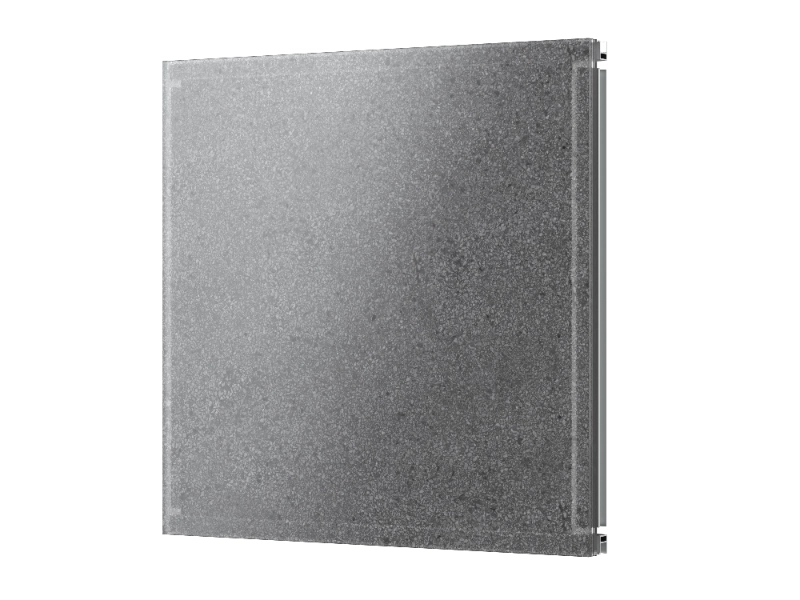
Power-Generating Architectural Glass
What is Cadmium Telluride Thin-Film Solar Cell?
Cadmium Telluride (CdTe) thin-film solar cells are semiconductor devices that convert light energy into electrical energy. Their core structure consists of multiple nanometer-scale thin films deposited on substrates such as glass. Unlike traditional crystalline silicon cells, they utilize a heterojunction formed by “p-type CdTe absorption layer” and “n-type CdS window layer” as the core of photoelectric conversion.
CdTe material has two natural advantages:
- First, Its “Ideal Bandgap Of 1.45ev”, Which Highly Matches The Solar Spectrum
- Second, Its “Extremely High Light Absorption Coefficient” (Over 10⁴cm⁻¹ In The Visible Light Range), Requiring Only 1 Micrometer Thickness To Absorb 95% Of Photons.
Four Core Manufacturing Processes
Four Core Manufacturing Processes
-

Glass Substrate Pre-treatment
Glass Substrate Pre-treatment
As the carrier for Building-Integrated Photovoltaics (BIPV), the glass substrate undergoes multi-stage purification including chemical cleaning and ultrasonic treatment, with edge grinding and stress removal to ensure adhesion and uniformity of subsequent films.
-

Precision Film Deposition (Core Process)
Precision Film Deposition (Core Process)
Magnetron sputtering or PECVD technology for uniform deposition of TCO and absorber layers. Precise parameter control ensures high transmittance, optimal electrical performance, and excellent interface compatibility.
-

Laser Precision Scribing
Laser Precision Scribing
High-speed laser scribing for patterned etching to achieve series-parallel connections. Micron-level precision with minimal heat-affected zone maximizes substrate utilization while ensuring electrical isolation.
-

Encapsulation and Lamination
Encapsulation and Lamination
High-temperature vacuum lamination with EVA/POE encapsulants and protective backsheet or cover glass. Provides superior moisture resistance, mechanical protection, and long-term weather durability.
Technology Frontier And Market Prospects
Current mass-produced module conversion efficiency has broken through 18%, with laboratory small-area cell world records reaching 22.1%, and theoretical limits of 32%-33%. In 2025, Advanced Solar Power's latest generation production line achieved a breakthrough of cost per watt, paving the way for large-scale BIPV applications.
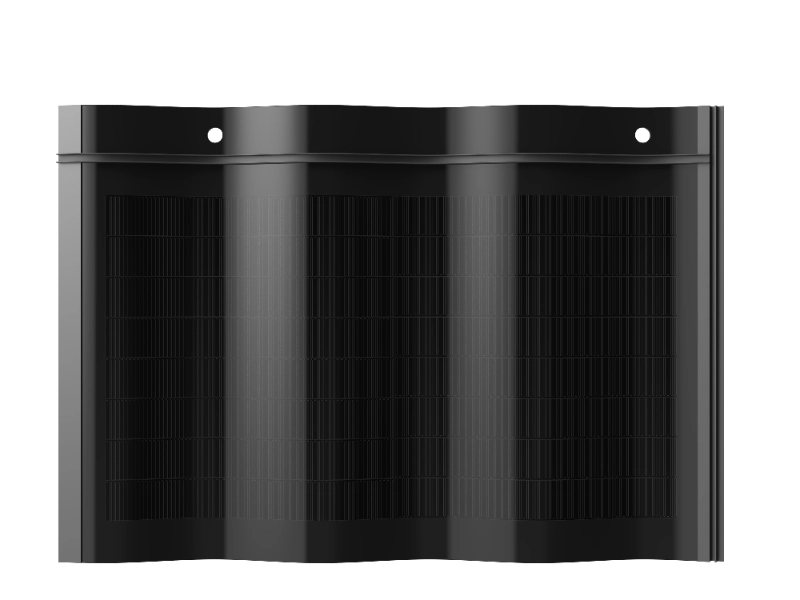
In the construction field, CdTe modules can be customized into various forms such as transparent curtain walls, photovoltaic tiles, and skylights, realizing the vision of "buildings as power stations," and have been applied in landmark projects such as Guangzhou Art Museum.
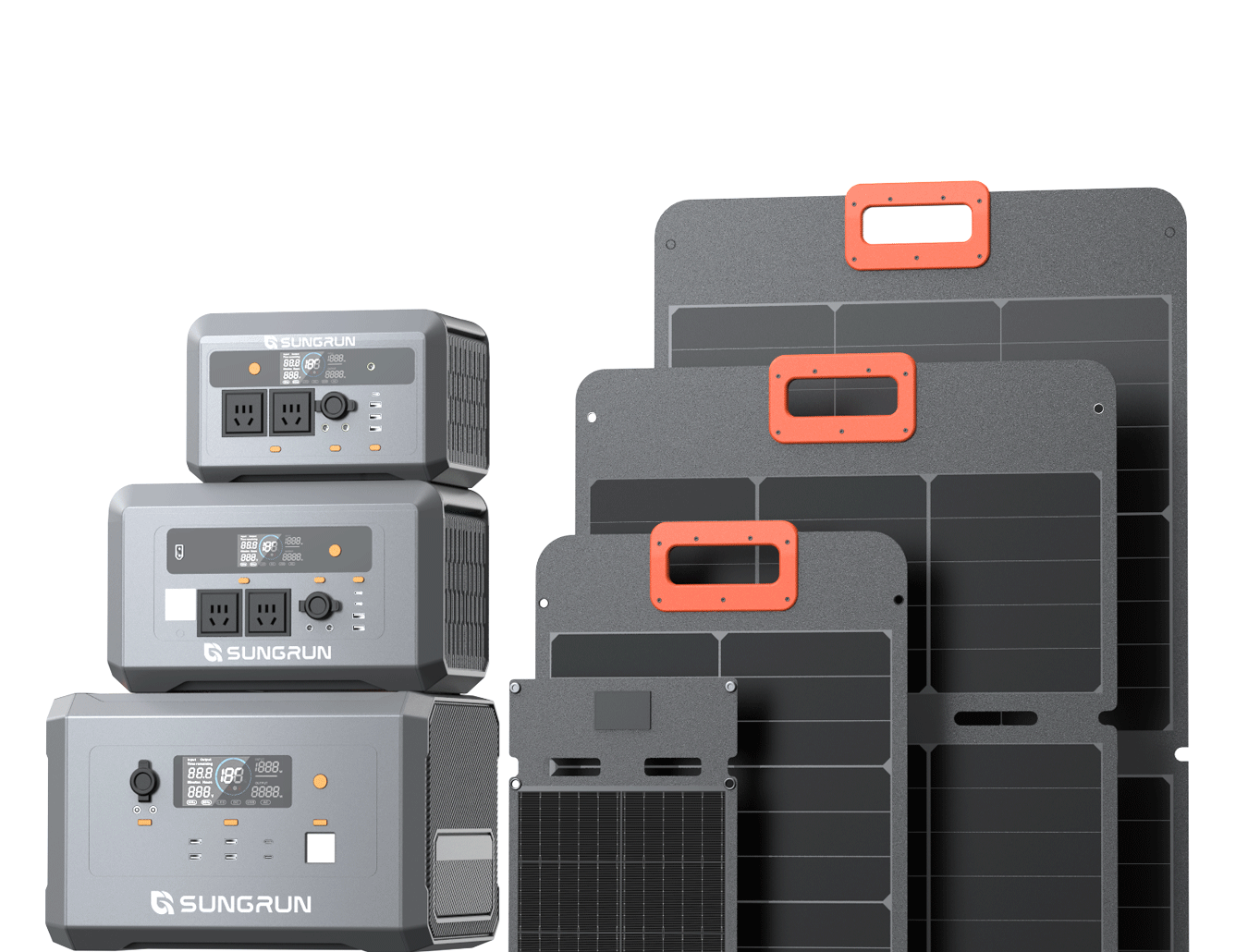
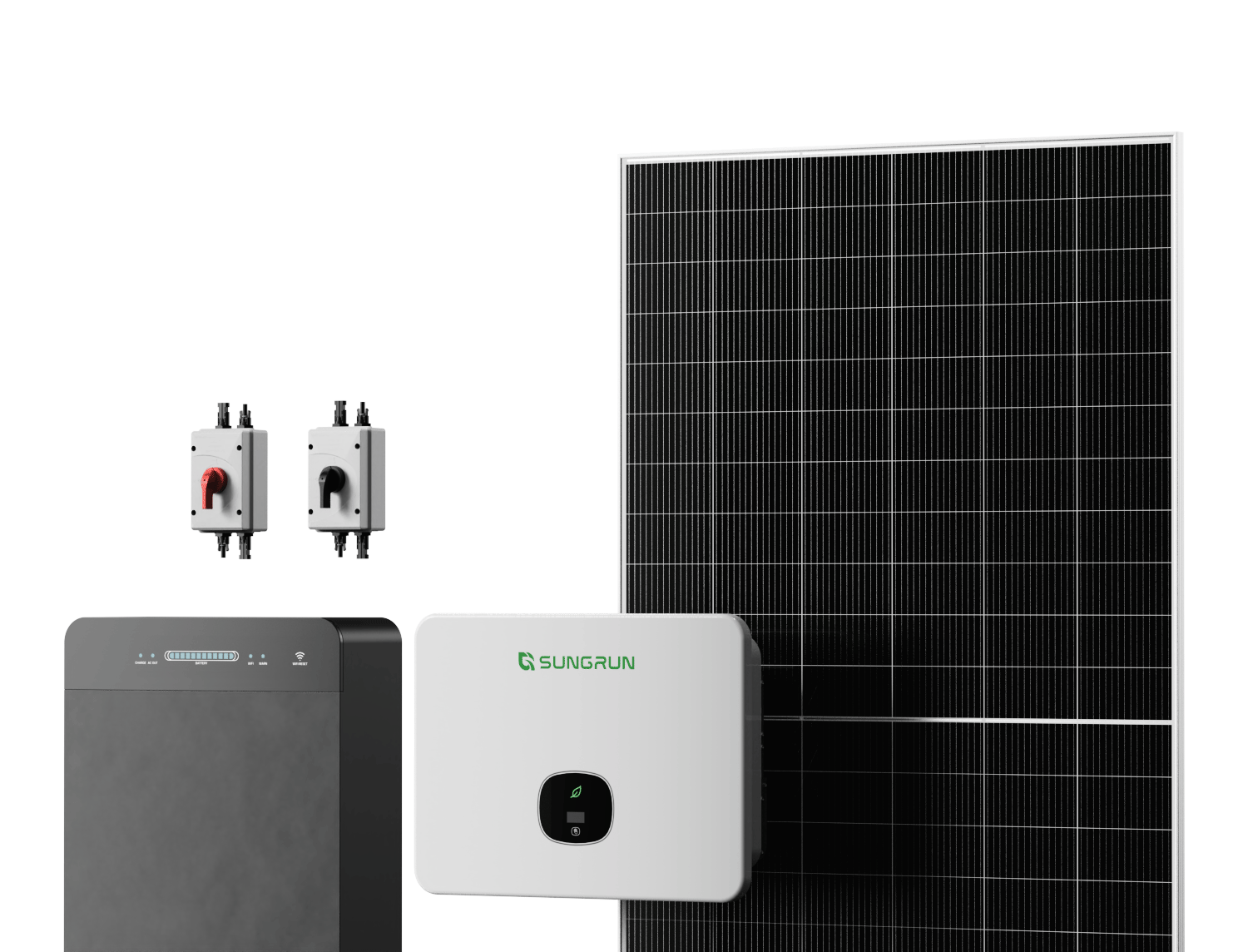
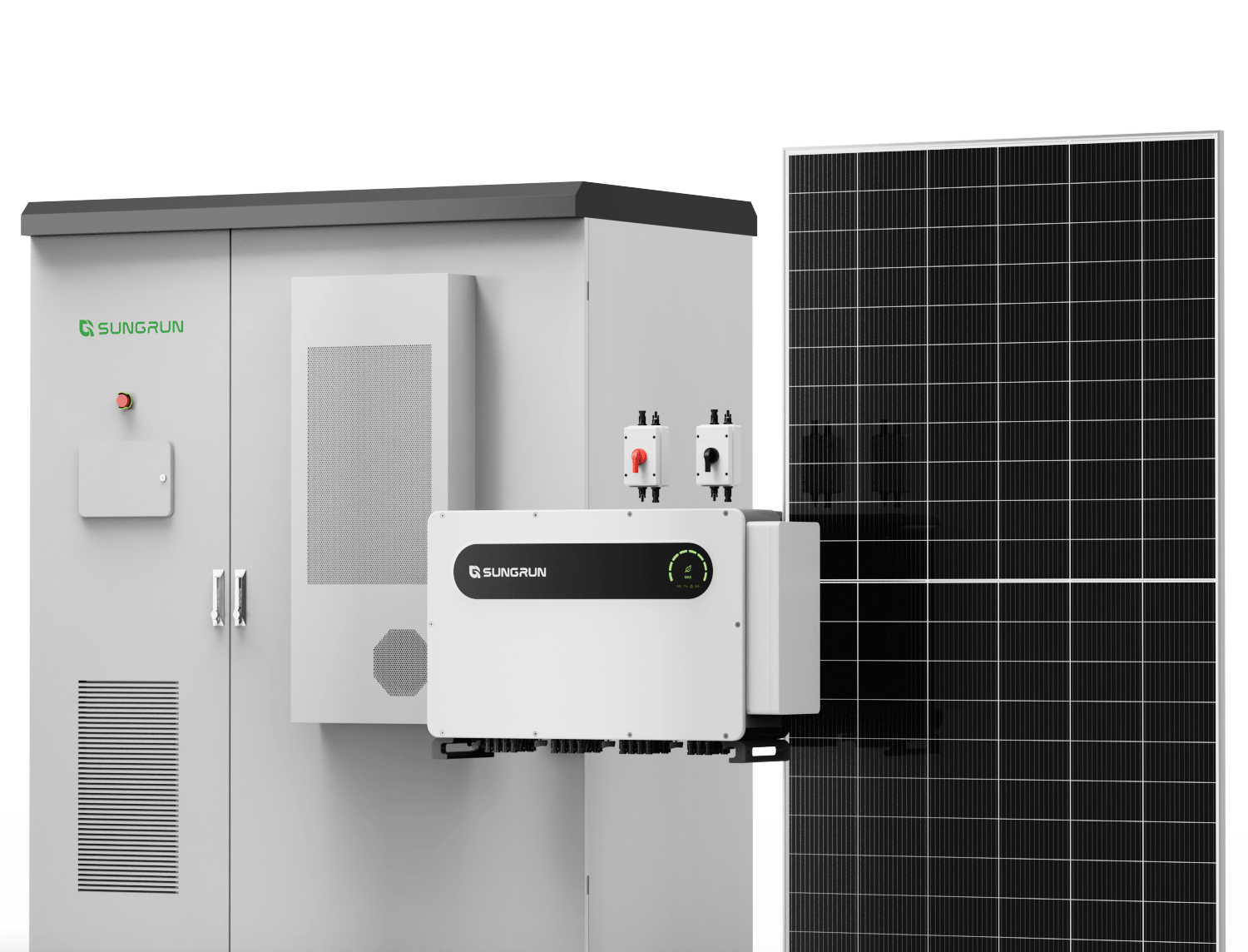
Our Products
Green Energy is a new energy company integrating innovation, sustainability, and a global perspective.
Material Characteristics and Industrial Counter-Attack


Mainstream Production Process Routes
Iron Phosphate Method (Solid-State Method - Mainstream Route)
-
Raw Material Preparation:Waste iron reacts with sulfuric acid to produce FeSO₄, which then reacts with (NH₄)₃PO₄ to generate FePO₄ precursor
-
Mixing and Grinding: Precise proportioning of iron phosphate with lithium sources such as lithium carbonate, achieving nanometer-level dispersion through ball milling
-
Spray Drying: Atomizing and drying slurry to form uniform spherical particles
-
High-Temperature Sintering: High-temperature treatment in pusher kilns (typically 600-800°C) under nitrogen protection to crystallize the material
-
Crushing and Classification: Controlling finished product particle size distribution to ensure electrochemical performance consistency
-
Screening and Magnetic Separation: Removing metal impurities to ensure battery safety
-
Ferrous Oxalate Method
Using ferrous oxalate as iron source can produce materials with higher purity and better crystallinity, conducive to obtaining fine and uniform particles, though the sintering process faces greater environmental pressure.
01
-
Liquid-Phase Method (Hydrothermal Synthesis)
Achieving nanometer-level uniform crystallization in high-pressure water environments, with good product consistency but higher equipment requirements. Dynanonic is the representative enterprise.
02
-
Technology Evolution:
High-Compaction Density Direction
03
Energy storage batteries are evolving from 280Ah to 314Ah large cells, requiring cathode materials with higher compaction density. The industry has developed to fourth-generation products (powder compaction density 2.6-2.7g/cm³), optimizing microstructure through secondary sintering processes to pack more active materials per unit volume, significantly improving energy density.
Source-Grid-Load-Storage Integration
The "Smart Brain" of New Power Systems

"Source-Grid-Load-Storage" is the core path to building new power systems, first officially proposed in national policy documents in 2021. It represents four key links in the power system:
"Source-Grid-Load-Storage" is the core path to building new power systems, first officially proposed in national policy documents in 2021. It represents four key links in the power system:
"Source-Grid-Load-Storage" is the core path to building new power systems, first officially proposed in national policy documents in 2021. It represents four key links in the power system:
"Source-Grid-Load-Storage" is the core path to building new power systems, first officially proposed in national policy documents in 2021. It represents four key links in the power system:
-
Source (Power Generation)
Thermal power, hydropower, wind power, photovoltaic, and other electricity production ends
"Source-Grid-Load-Storage" is the core path to building new power systems, first officially proposed in national policy documents in 2021. It represents four key links in the power system:
-
Load (Electricity Demand)
Industrial, commercial, residential, and other electricity consumption ends
"Source-Grid-Load-Storage" is the core path to building new power systems, first officially proposed in national policy documents in 2021. It represents four key links in the power system:
-
Storage (Energy Storage)
Electrochemical energy storage, pumped hydro storage, and other regulation resources
"Source-Grid-Load-Storage" is the core path to building new power systems, first officially proposed in national policy documents in 2021. It represents four key links in the power system:
-
Grid (Power Network)
Transmission, transformation, and distribution networks
"Source-Grid-Load-Storage" is the core path to building new power systems, first officially proposed in national policy documents in 2021. It represents four key links in the power system:
-

From "Source Following Load" to "Source-Grid-Load-Storage Interaction"
Traditional power systems follow a "generation-transmission-transformation-distribution-consumption" unidirectional process, relying on thermal power rotational inertia to adjust generation according to load changes. As new energy installations such as wind and photovoltaic exceed 45% of total capacity, their volatility and intermittency pose challenges to grid stability.
-
From "Source Following Load" to "Source-Grid-Load-Storage Interaction"
Traditional power systems follow a "generation-transmission-transformation-distribution-consumption" unidirectional process, relying on thermal power rotational inertia to adjust generation according to load changes. As new energy installations such as wind and photovoltaic exceed 45% of total capacity, their volatility and intermittency pose challenges to grid stability.
-
From "Source Following Load" to "Source-Grid-Load-Storage Interaction"
Traditional power systems follow a "generation-transmission-transformation-distribution-consumption" unidirectional process, relying on thermal power rotational inertia to adjust generation according to load changes. As new energy installations such as wind and photovoltaic exceed 45% of total capacity, their volatility and intermittency pose challenges to grid stability.
-
From "Source Following Load" to "Source-Grid-Load-Storage Interaction"
Traditional power systems follow a "generation-transmission-transformation-distribution-consumption" unidirectional process, relying on thermal power rotational inertia to adjust generation according to load changes. As new energy installations such as wind and photovoltaic exceed 45% of total capacity, their volatility and intermittency pose challenges to grid stability.