


_WH_800x600px.webp)


Why Distributed Solar Modules Dominate the 2026 PV Market?
Release time: 2026-07-07
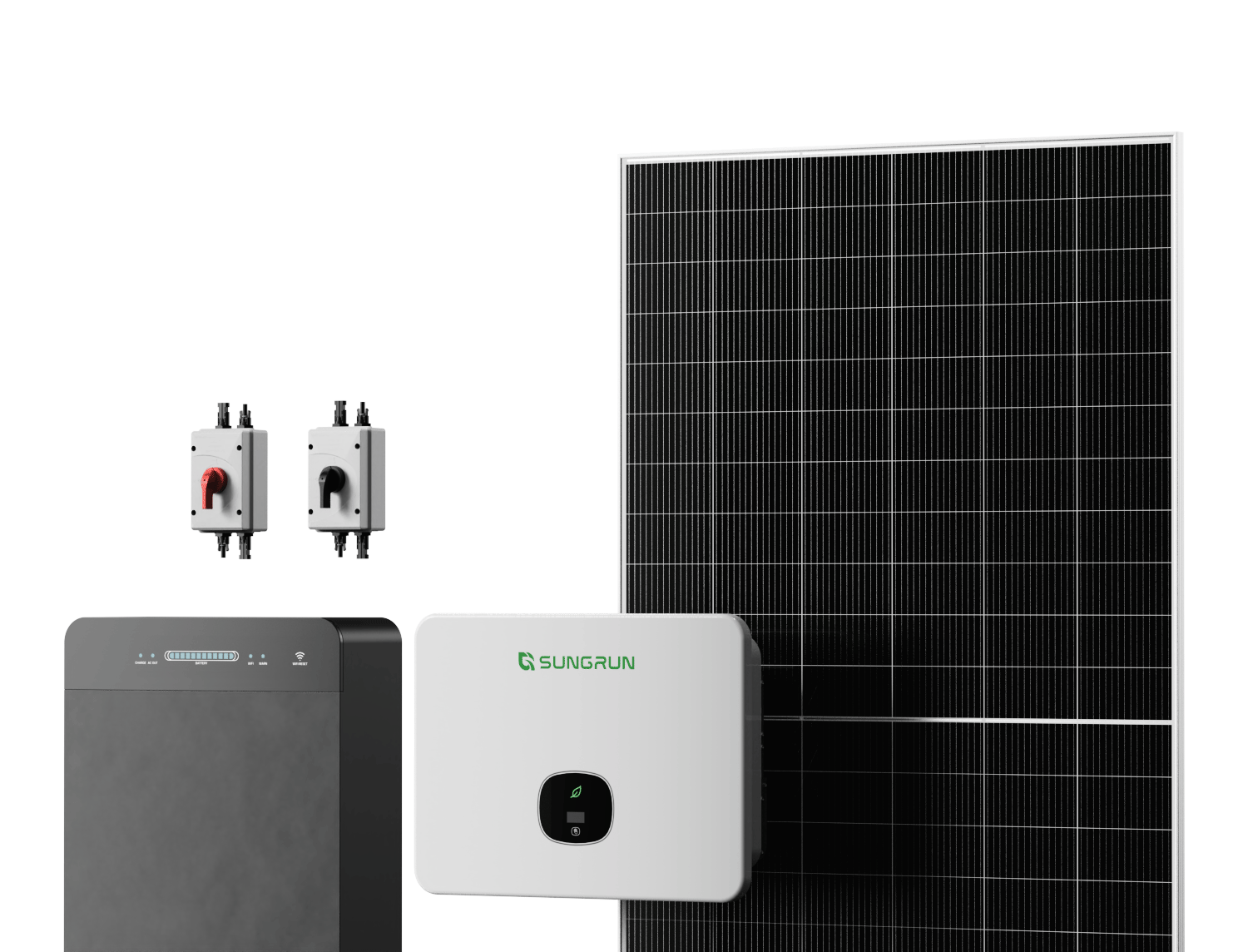
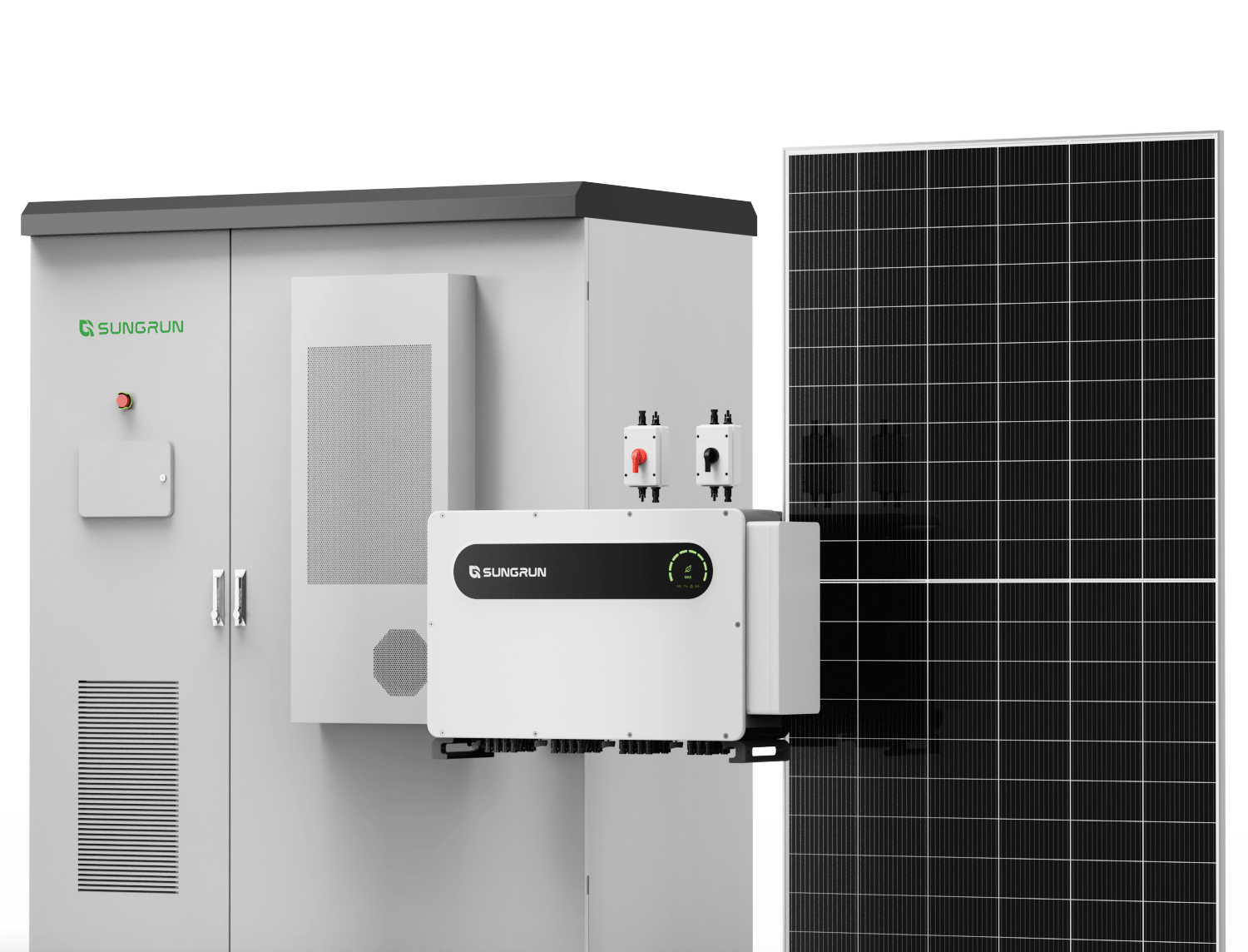
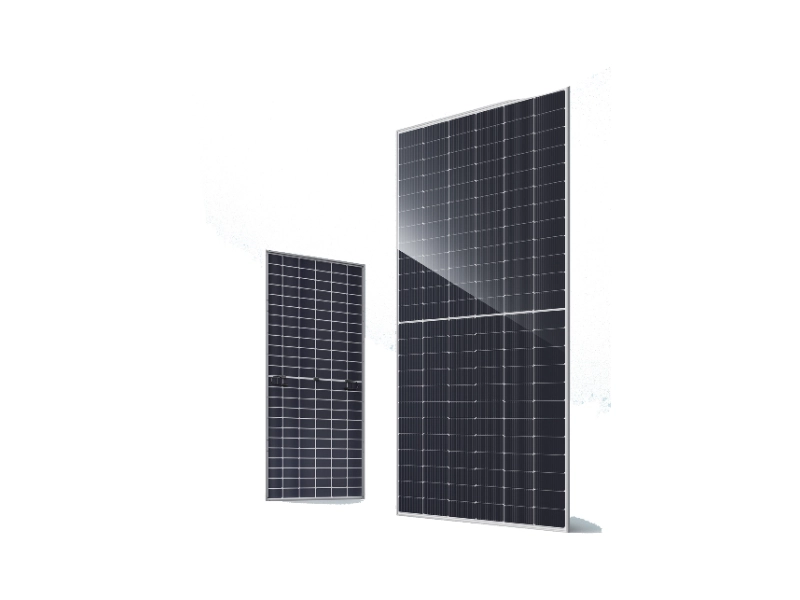
The global energy system is undergoing a structural shift from centralized generation to distributed energy networks. Within this transition, Distributed Solar Modules are emerging as one of the most important components of the 2026 photovoltaic market.
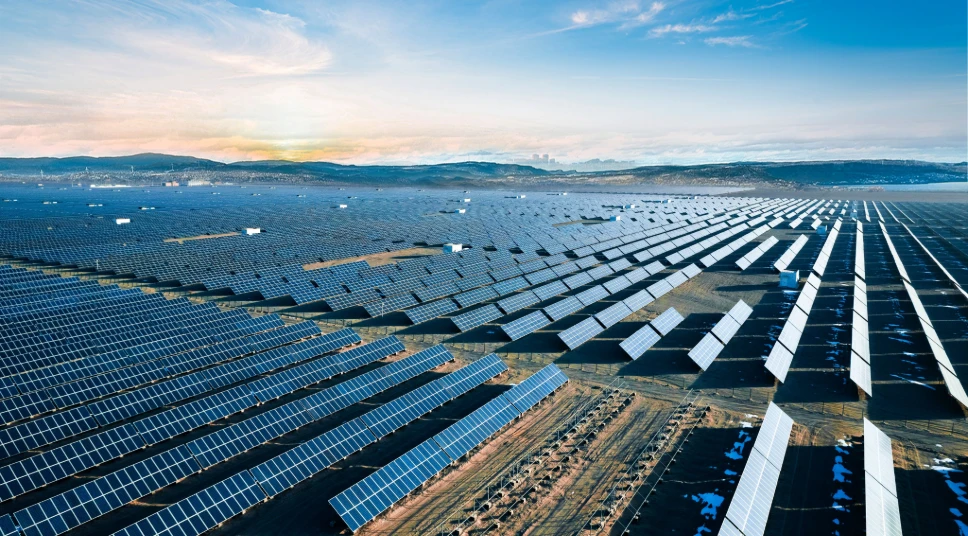
Unlike traditional utility-scale solar farms, distributed systems are designed for on-site generation and consumption, making them highly efficient in commercial and residential applications.
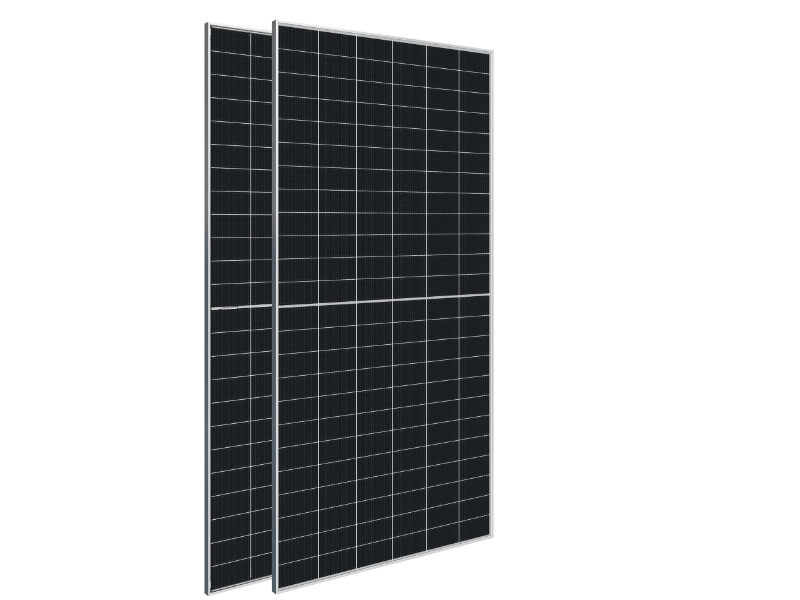
Why Distributed Solar Modules Dominate the Market
1. Decentralization of Power Systems
Traditional centralized power plants suffer from transmission losses and long development cycles. Distributed solar systems offer:
- On-site electricity generation
- Immediate consumption
- Reduced transmission loss (5–12%)
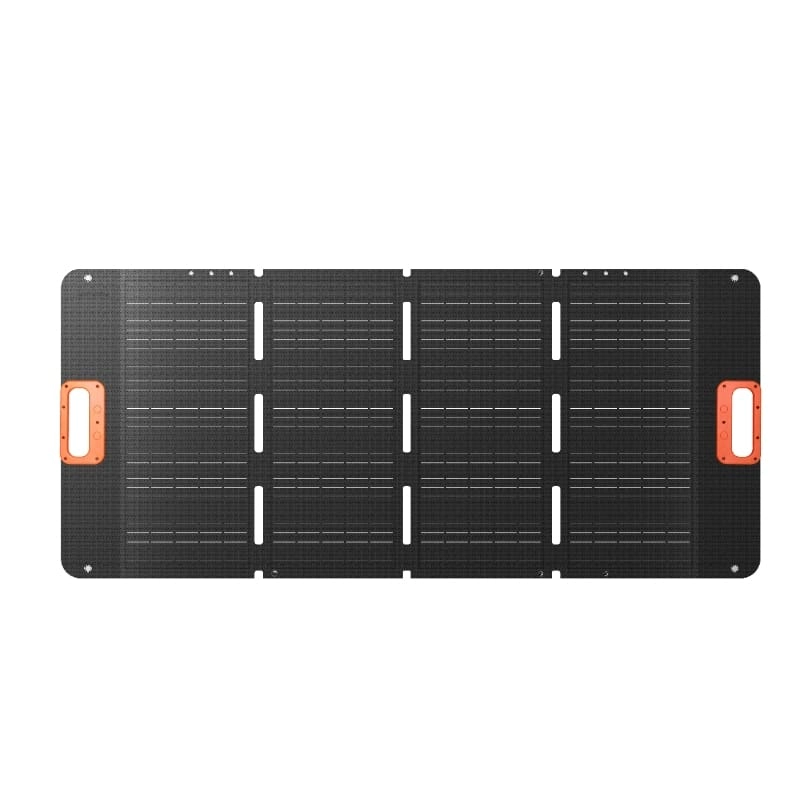
This transforms Solar Modules into local energy nodes rather than standalone generation assets.
2. Rising Commercial Electricity Costs
Under time-of-use tariff structures:
- Peak electricity prices continue to rise
- Demand charges significantly impact operating costs
- Energy price volatility increases business risk
As a result, distributed solar systems are widely adopted to stabilize energy expenses.
3. Technology Improvements Drive ROI
Modern Solar Modules benefit from:
- N-Type TOPCon high-efficiency cells
- Bifacial energy gain of 5–20%
- Larger wafer formats (M10/G12)
These advancements significantly improve system-level ROI.
Distributed vs Centralized Solar Systems
| Factor | Distributed Solar Modules | Utility-Scale Solar |
|---|---|---|
| ROI Period | 1–3 years | Longer |
| Installation Speed | Fast | Slow |
| Transmission Loss | Low | High |
| Flexibility | High | Limited |
| Applications | Commercial/Residential | Utility |
Industry Trend: Energy Localization
By 2026, Solar Modules will be defined by:
- Rooftop solar as a standard feature
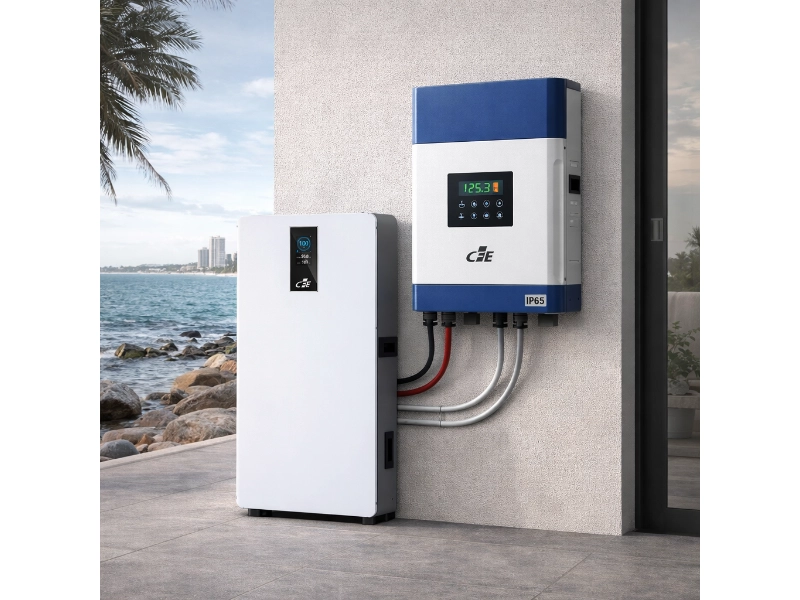
- Hybrid PV + storage systems in factories
- Microgrids in industrial parks
Energy generation is moving closer to the point of consumption.
Why Grunsolar
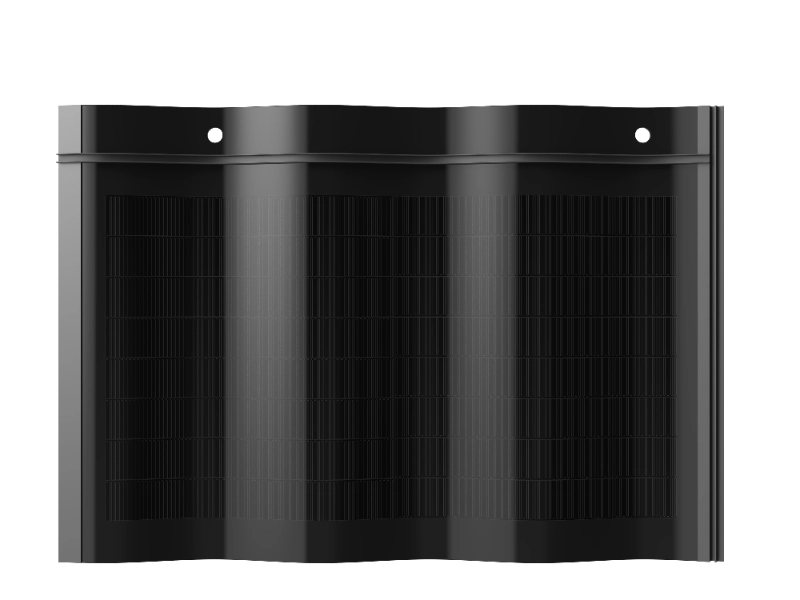
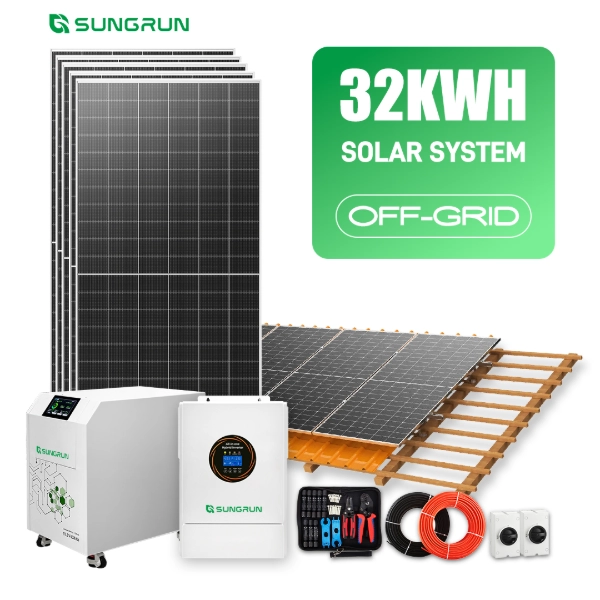
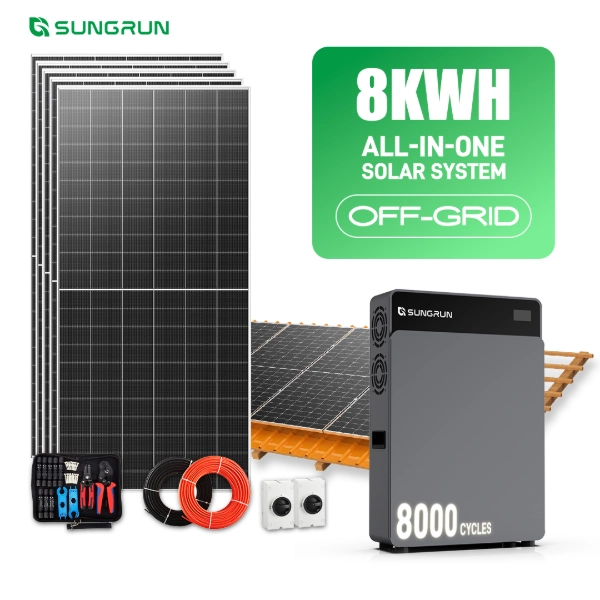
Grunsolar Distributed Solar Modules are engineered for high-efficiency distributed applications, supporting:
- Commercial rooftop installations
- Residential solar systems
- Microgrid integration
Product page:
https://www.grunsolar.com/distributed-commercial-industrial-residential-solar-modules/
FAQ
Q1: What are distributed solar modules?
They are PV systems installed close to or at the point of energy consumption.
Q2: Are they better for businesses?
Yes, especially for high electricity cost environments.
Q3: What is the payback period?
Typically 1–3 years depending on tariffs.